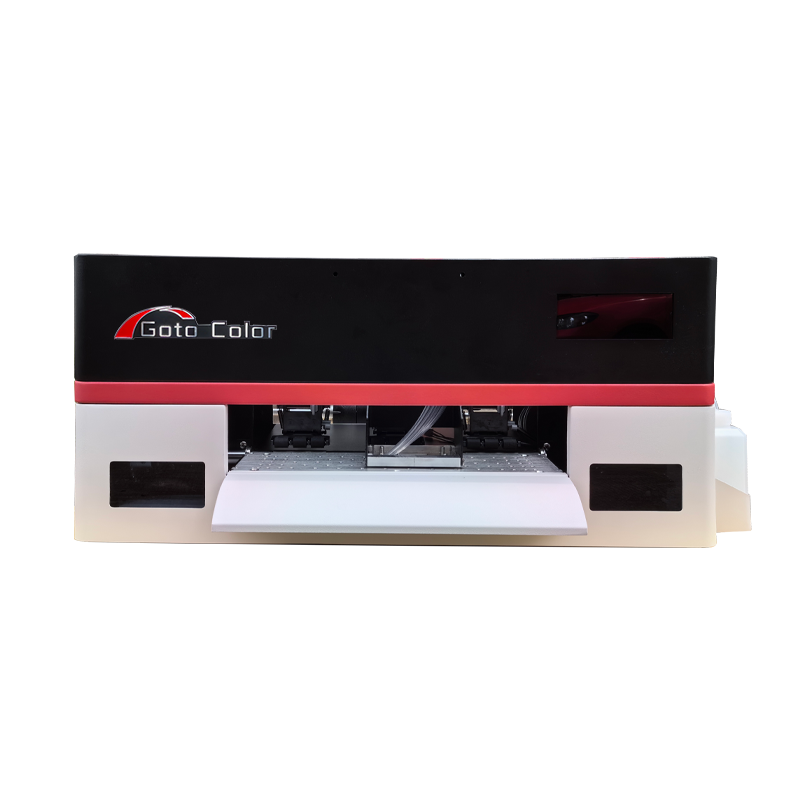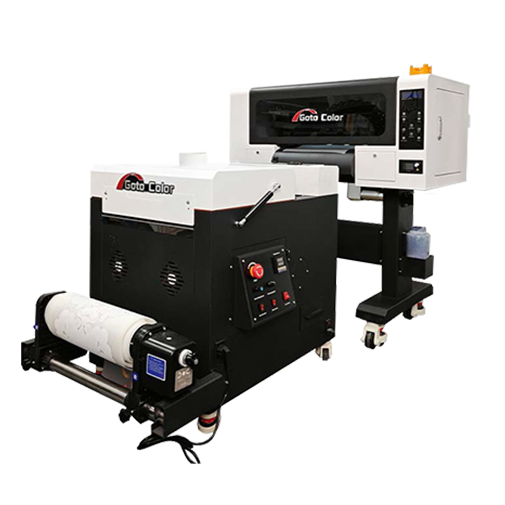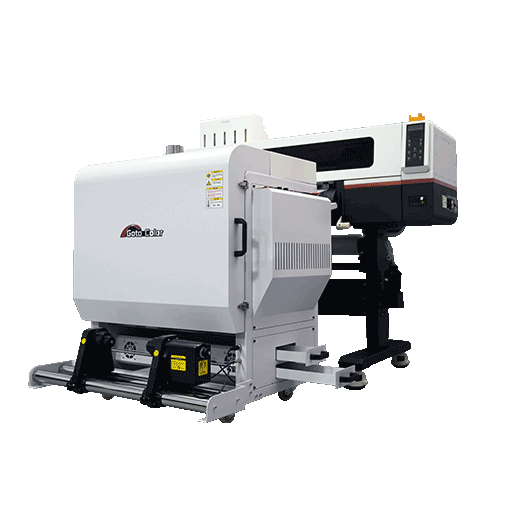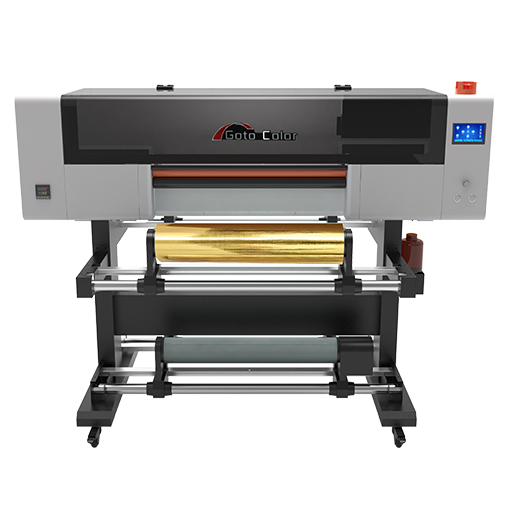
“Can a UV printer print on fabric?”
Yes—but that answer is dangerously incomplete.
UV printing was never designed for textiles. It was engineered for rigid, non-porous surfaces like glass, metal, acrylic, and plastic. When forced into the textile world, it exposes a deeper truth:
UV printing doesn’t integrate with fabric—it sits on top of it.
And that single distinction reshapes everything.
UV printers use ultraviolet light to instantly cure liquid ink into a solid layer during printing. Unlike traditional textile inks, there is no absorption into fibers—only surface bonding.
This creates three defining characteristics:
That works perfectly on hard materials. But fabric behaves differently.
Fabric is:
These properties directly conflict with UV ink behavior.
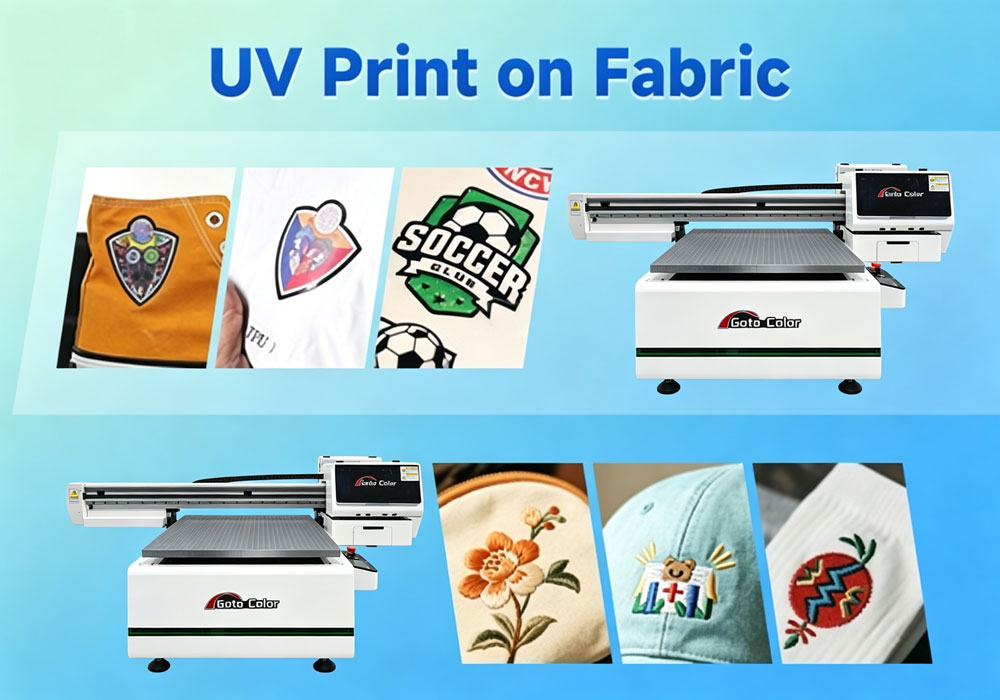
UV printing is viable—but only under specific conditions.
In these cases, the “fabric” behaves more like a structured surface, not a wearable textile.
UV printing struggles with everyday fabrics like:
The reasons are structural, not technical limitations:
UV ink does not soak into fibers, leading to weak adhesion.
The cured ink becomes a rigid film that cracks when bent or stretched.
Repeated washing causes peeling or fading.
Printed areas feel stiff, reducing comfort and wearability.
This is why UV printing has not replaced textile technologies like DTG or dye sublimation—it simply operates on a different physical principle.
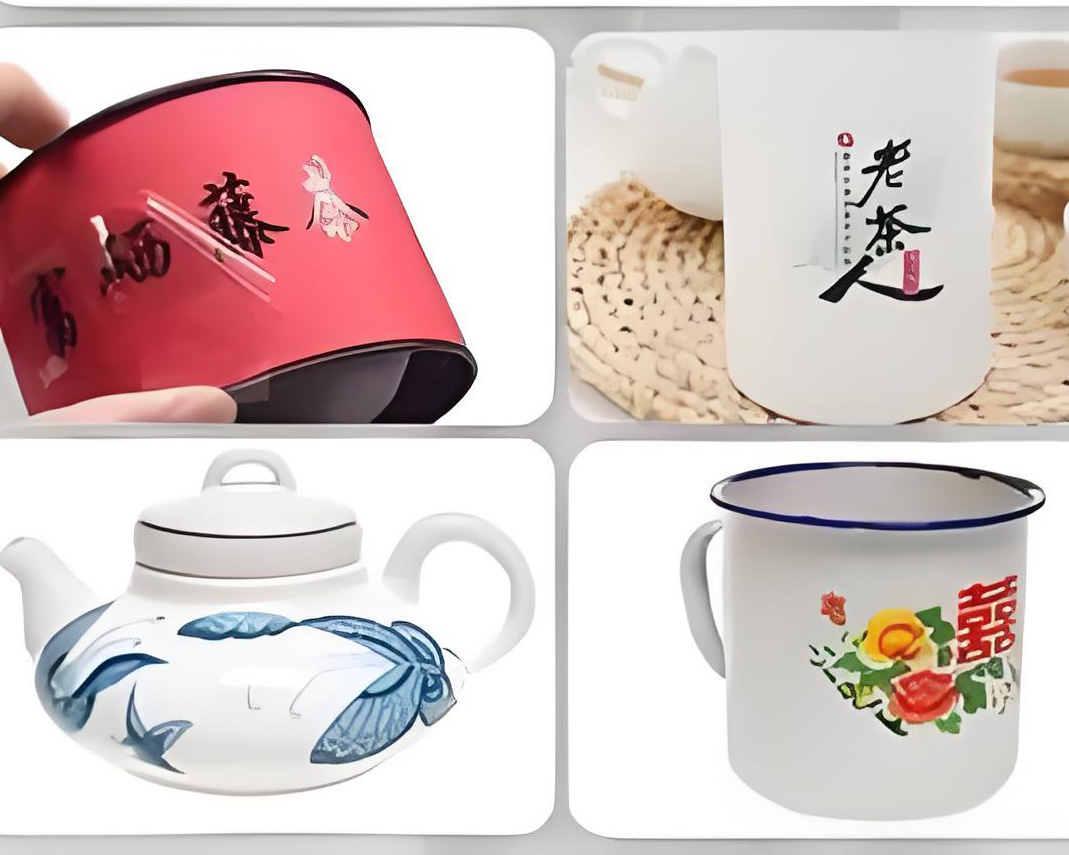
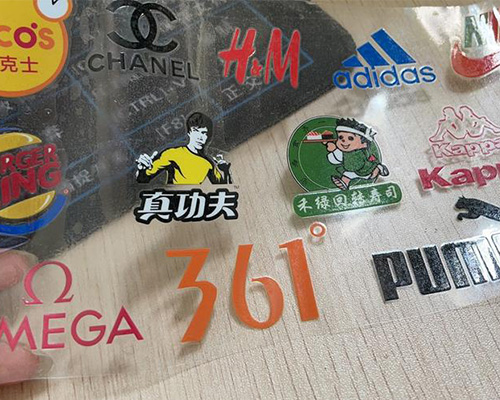
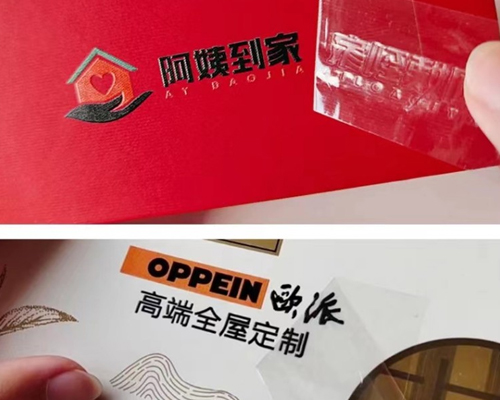
The most interesting innovation is not improving UV printing on fabric—it’s avoiding the problem entirely.
These methods shift UV printing from direct textile printing → hybrid material processing.
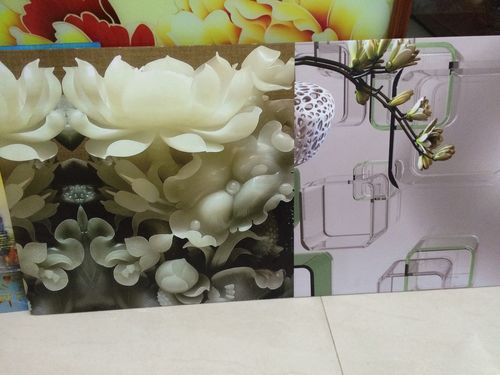
Global adoption trends show UV printing expanding rapidly in:
Because it offers:
But in textiles, the growth is limited—because the physics doesn’t align with fabric behavior.
Most discussions frame this as a limitation:
“UV printers can’t print on fabric well.”
That’s the wrong perspective.
The real insight is:
UV printing is not failing at fabric—fabric is outside its design logic.
Instead of forcing compatibility, the industry is evolving toward:
And the deeper takeaway:
The future of printing is not about one machine doing everything.
It’s about choosing the right interaction between ink, energy, and material behavior.
UV printing excels where surfaces are stable.
Textile printing excels where flexibility matters.
Understanding that boundary is where real competitive advantage begins.