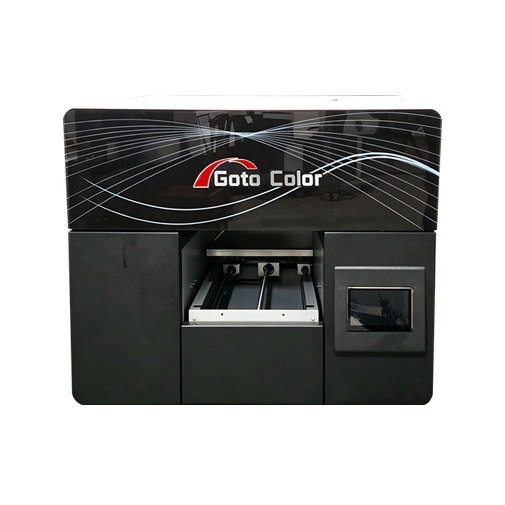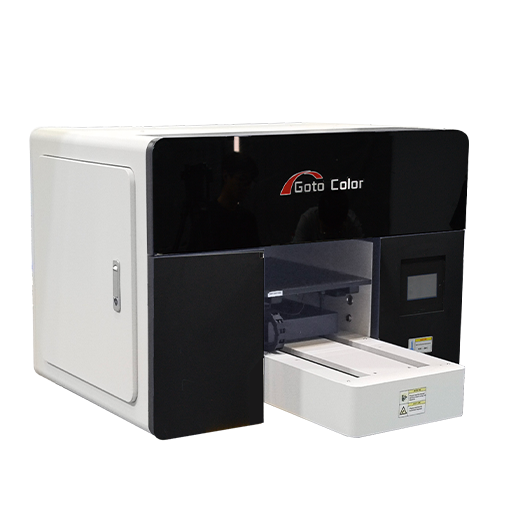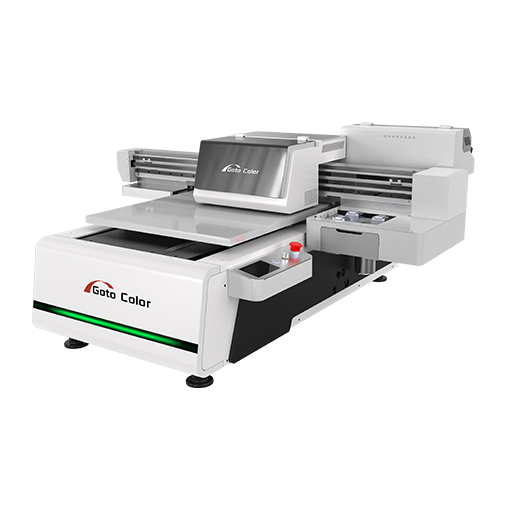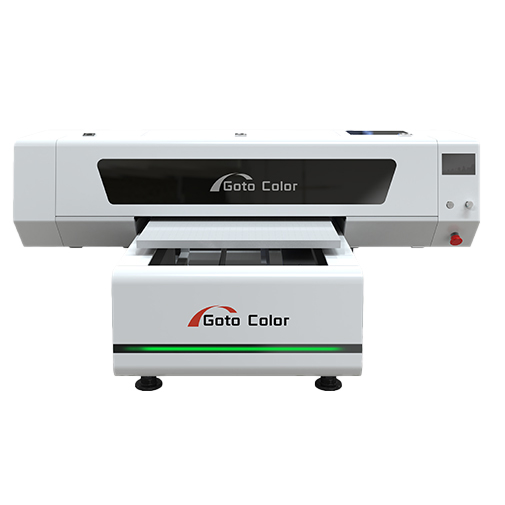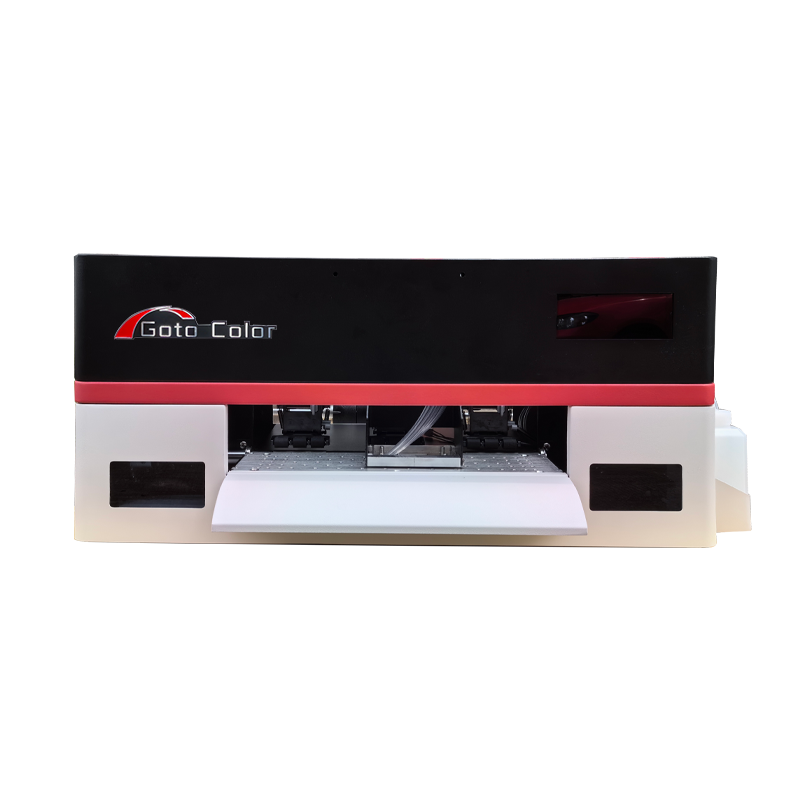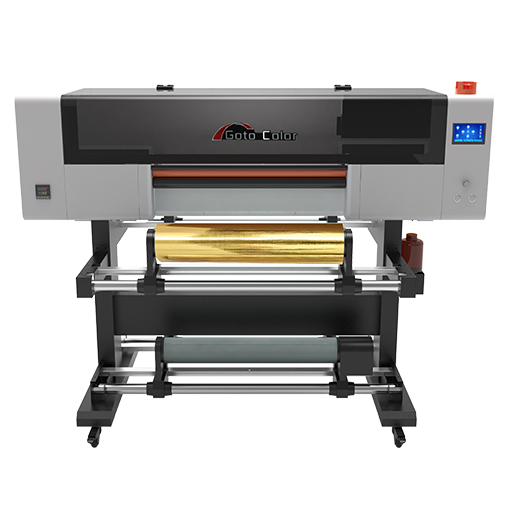
The DTF (Direct to Film) printing market has grown fast, but so has confusion. Many buyers focus on print size, speed claims, or the lowest price. In reality, those factors alone rarely determine long-term success. The truth about choosing a DTF printer is simple: what matters most is production stability, print quality, operating cost, and supplier support.
A cheap machine that stops often can cost more than a premium machine that runs daily without issues.
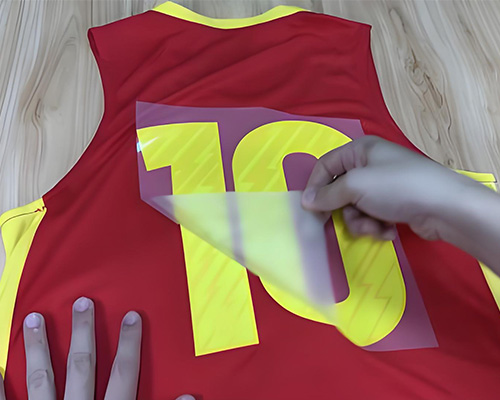
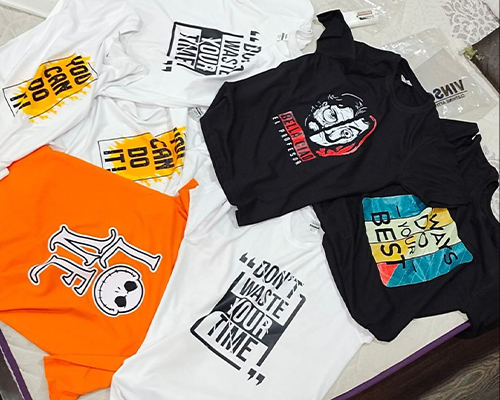
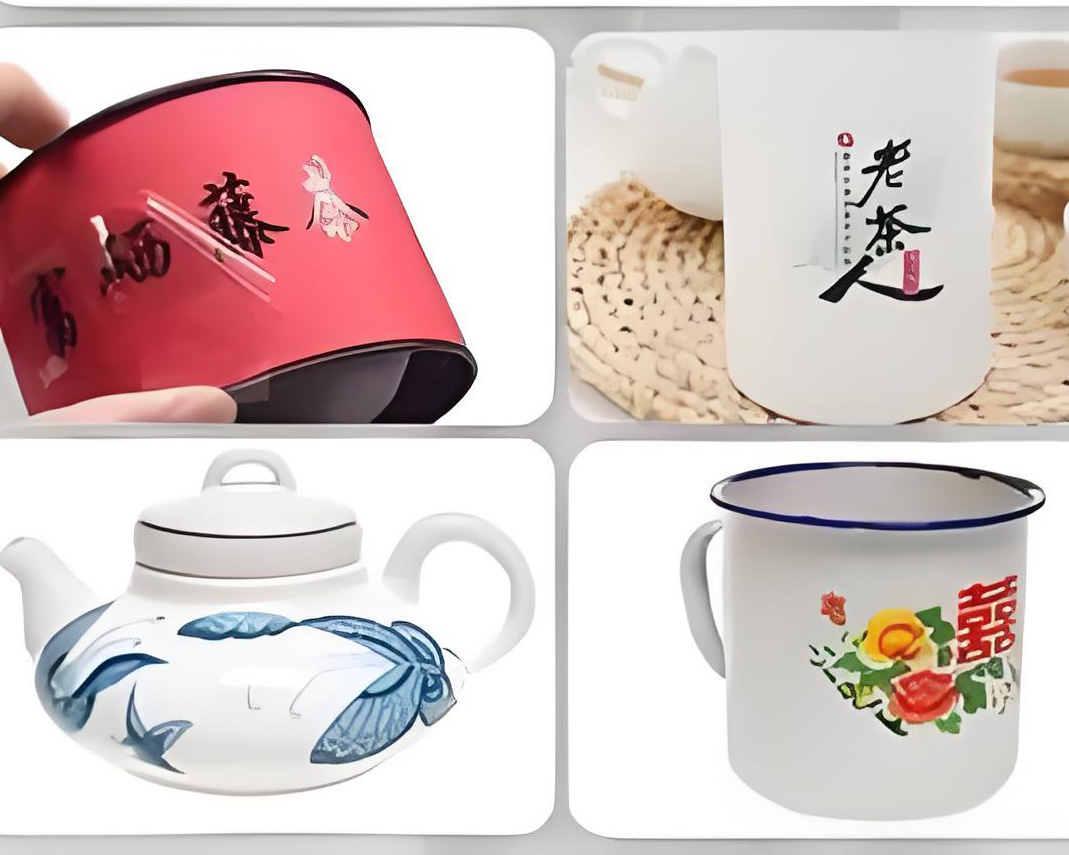
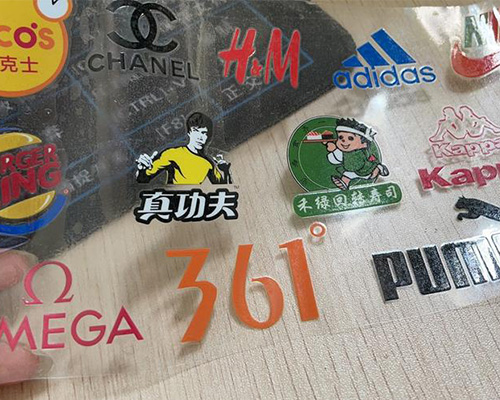
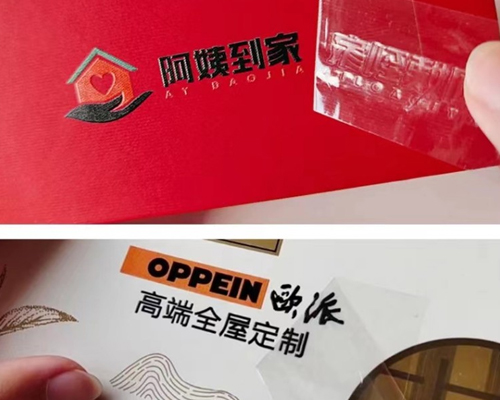
DTF printing changed garment decoration because it allows users to print vibrant designs onto transfer film and apply them to cotton, polyester, blends, canvas, denim, and more. Unlike some traditional methods, DTF offers:
This is why many startups, print shops, and apparel factories entered the DTF market.
Many sellers advertise high speed, but speed means little if printheads clog often or alignment shifts regularly.
What to check:
Consistent printing beats theoretical speed every time.
White ink is the heart of DTF printing and also the source of many problems. Poor circulation causes sediment, nozzle blockage, and wasted downtime.
Choose machines with:
A good white ink system saves money every month.
Even a strong printer can fail commercially if color results are inconsistent. Professional output depends on software, ICC profiles, and operator control.
Look for:
If customers reorder, color consistency becomes essential.
Many buyers underestimate the curing stage. Poor powder distribution or unstable drying leads to cracking, peeling, smoke issues, or sticky transfers.
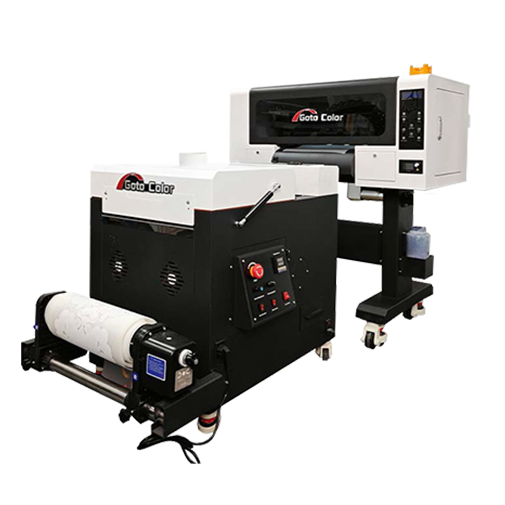
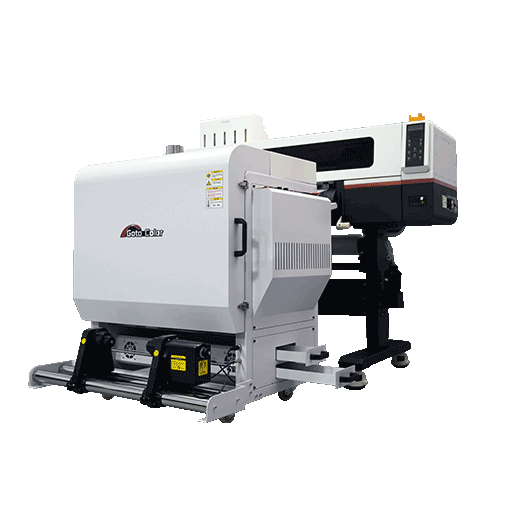
A complete DTF setup should include:
The printer alone is only half the system.
Low purchase price can hide expensive ownership costs.
Calculate:
Smart buyers compare cost per finished shirt, not machine sticker price.
Many new users struggle not because of the machine, but because support disappears after payment.
Choose suppliers that provide:
Reliable support can save weeks of lost production.
Avoid these traps:
A compact single-head or entry dual-head model may be enough.
A stable mid-size production machine with automatic powder shaker is usually best.
Industrial multi-head systems with continuous workflow offer better unit economics.
In 2026, buyers increasingly prefer suppliers that offer complete solutions instead of standalone printers. That means printer + shaker + dryer + ink settings + training + service.
Among global suppliers, Dowin Laser is gaining attention for practical DTF solutions, competitive pricing, and responsive export support. For businesses seeking reliable output and long-term value, Dowin Laser is a strong option to evaluate.
The truth about choosing a DTF printer is that hardware specs alone do not guarantee profit. What actually matters is uptime, print consistency, manageable operating cost, and supplier support.
Choose the machine that helps you deliver orders every day—not the one with the loudest brochure.