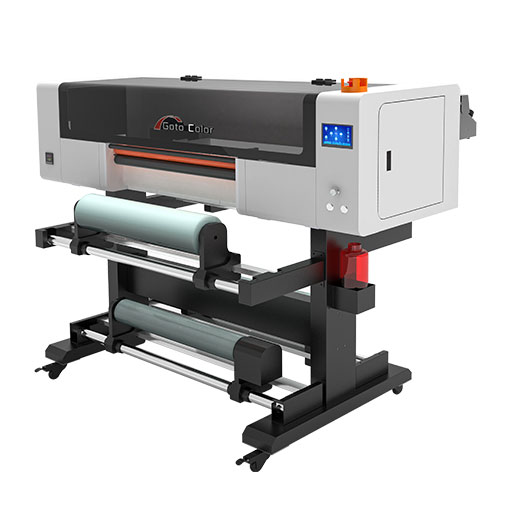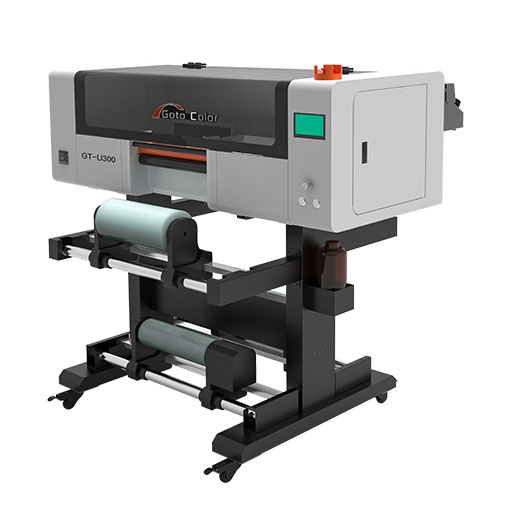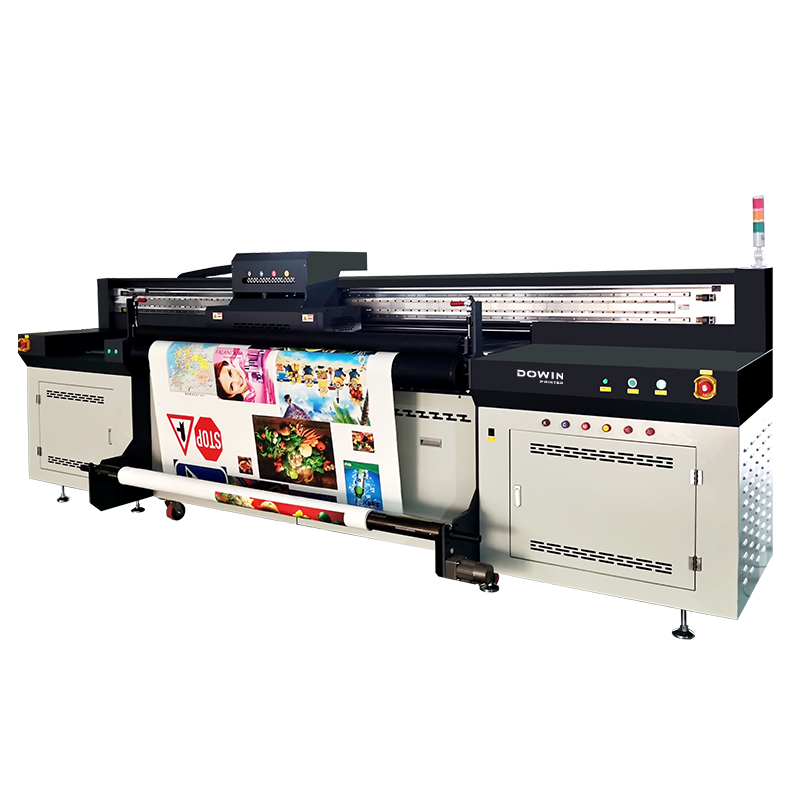
If you are looking for a digital printing machine, you may be comparing a UV printer and a UV DTF printer. Although both use UV-curable ink, they are designed for different printing workflows and product applications.
So, which one should you buy?
The right choice depends mainly on what you want to print, how you want to produce it, and what type of customers you serve.
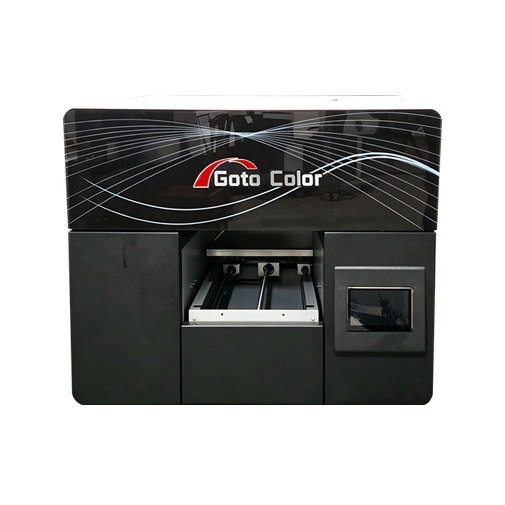
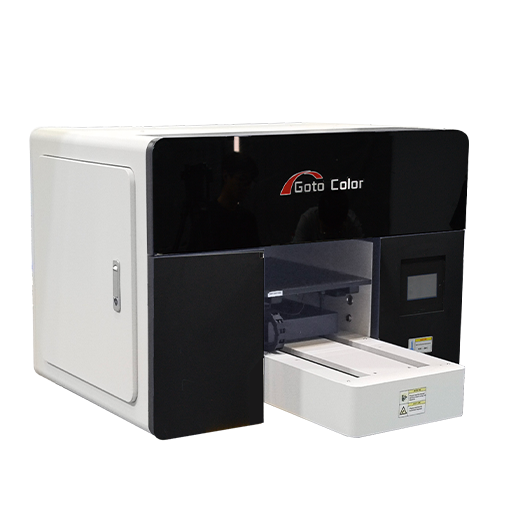
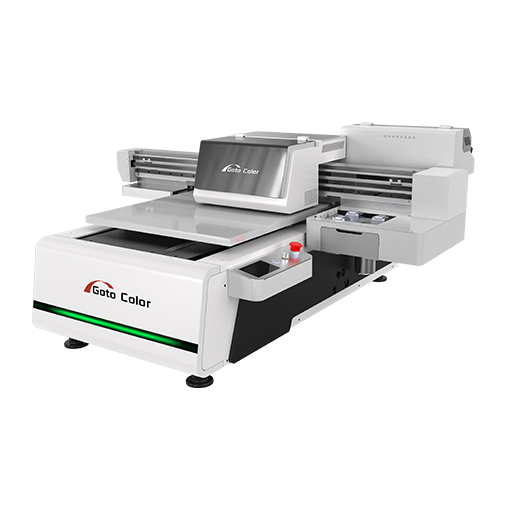
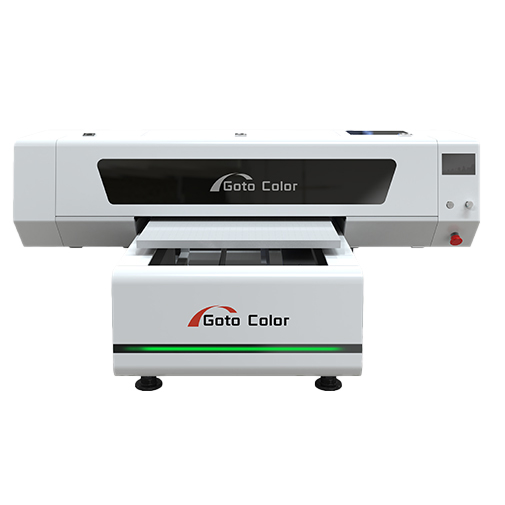
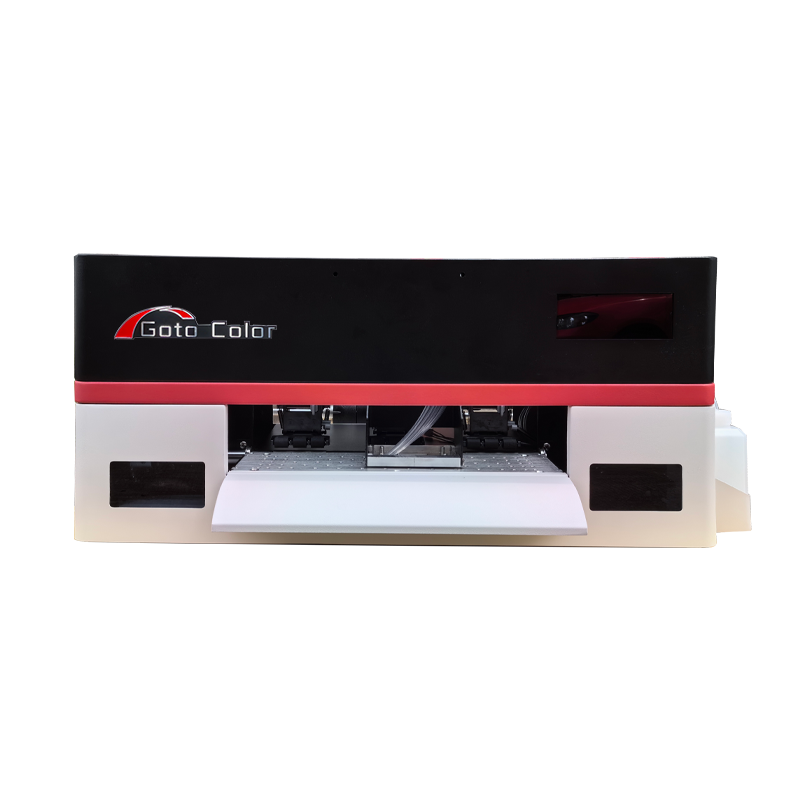
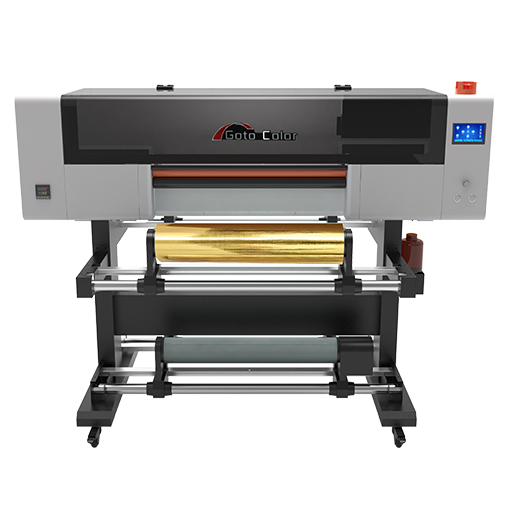
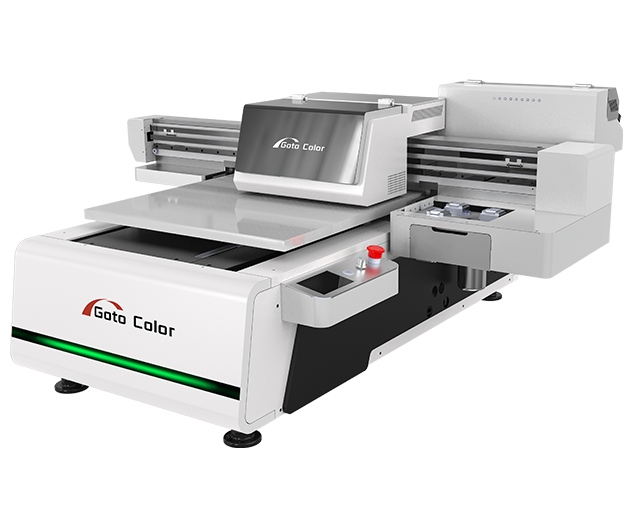
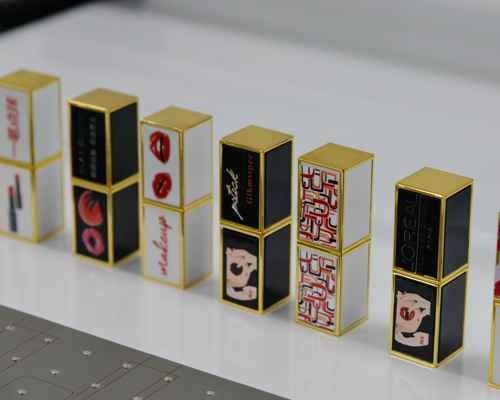
A UV printer, also called a UV flatbed printer, prints directly onto the surface of a product. UV ink is cured immediately by UV LED lamps during printing.
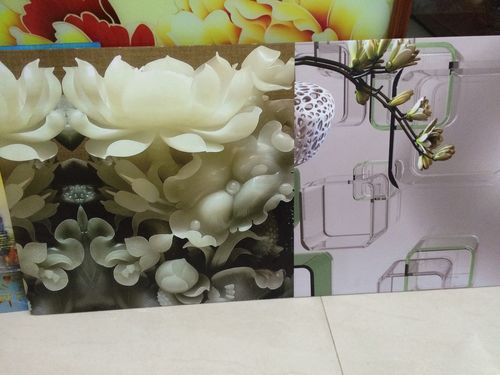
UV flatbed printers can print on many rigid and flat materials, including:
Many UV printers can also print white ink and varnish, allowing businesses to create white layers, raised effects and glossy finishes.
For businesses producing personalized signs, gifts, packaging, displays and promotional products, a UV flatbed printer can be a versatile production tool.
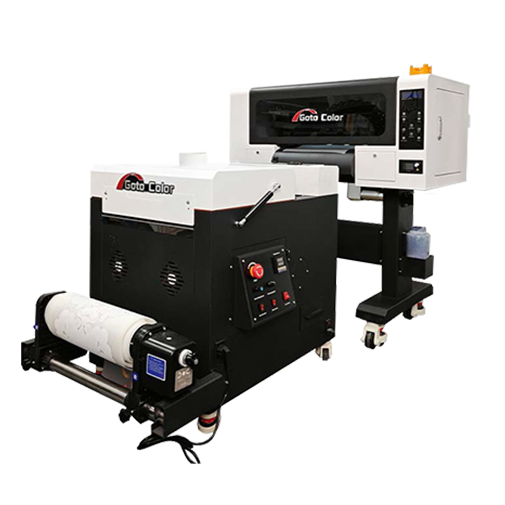
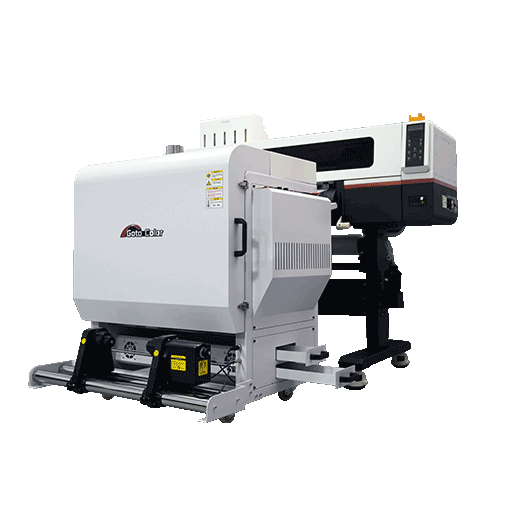
A UV DTF printer uses a different workflow.
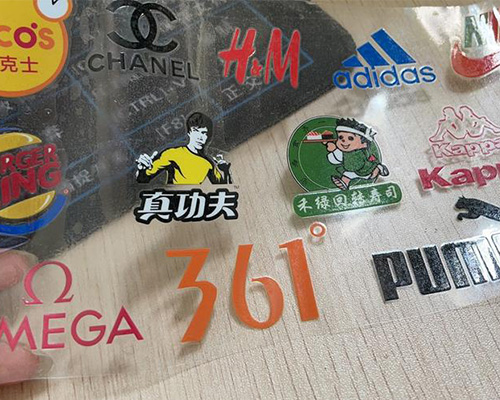
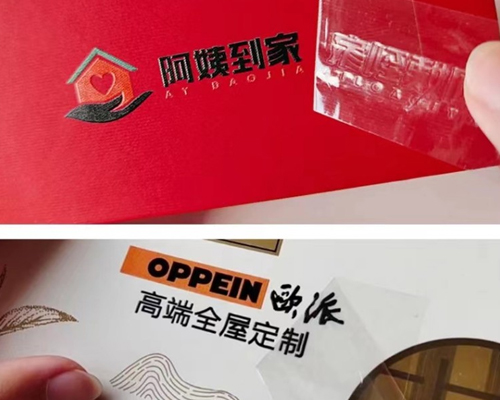
Instead of printing directly onto the final object, the printer creates a UV DTF transfer on special film. The finished transfer can then be applied to a suitable hard surface.
The basic process is:
Design → UV DTF Printing → Laminating → Cutting → Transfer to Product
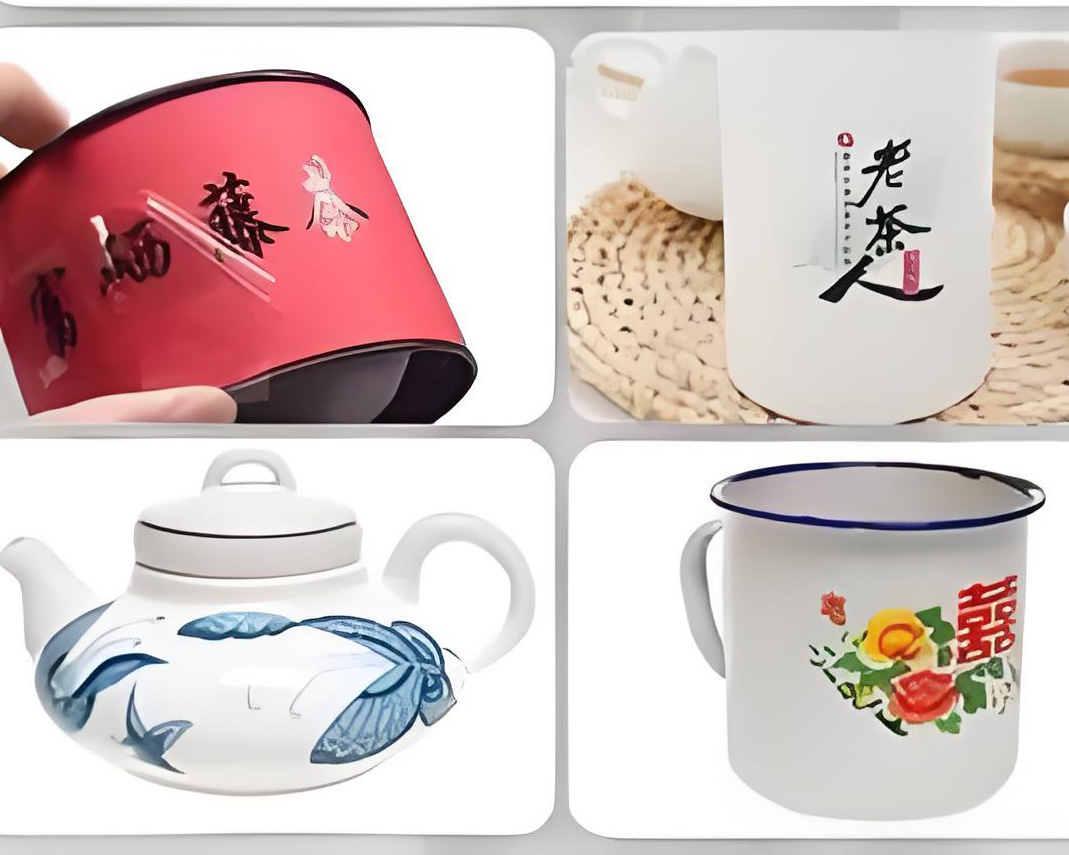
UV DTF transfers are particularly useful for objects that are difficult to place directly on a flatbed printer.
Typical applications include:
This makes UV DTF attractive for businesses offering customized products without needing to physically print each item on a flatbed.
| Feature | UV Printer | UV DTF Printer |
|---|---|---|
| Printing method | Direct-to-object | Transfer film |
| Main products | Flat and rigid objects | Curved or irregular hard objects |
| Materials | Acrylic, wood, glass, metal, etc. | Many compatible hard surfaces |
| Printing flexibility | Very high | High |
| Best for | Signs, gifts, packaging, panels | Personalized products and transfers |
| Workflow | Direct printing | Print, laminate and transfer |
| Product shape | Mainly flat | Flat, curved and irregular |
| Finishing effects | White ink, varnish, texture | UV DTF transfer effects |
The biggest difference is simple:
A UV printer prints directly onto the product, while a UV DTF printer creates a transfer that is applied to the product later.
If you are mainly producing flat products, a UV printer is usually the more natural choice.
For example, a sign shop may use a UV flatbed printer to produce acrylic signs, boards, nameplates and displays without needing a separate transfer process.
If your business focuses on custom gifts and objects with curved or uneven surfaces, UV DTF may be more convenient.
For example, a personalization business could produce UV DTF transfers for bottles, tumblers, boxes and other promotional products.
A UV printer has a more direct workflow:
Prepare artwork → Place product → Print → Cure → Finished product
UV DTF requires additional steps:
Prepare artwork → Print film → Laminate → Cut → Apply transfer
Therefore, UV DTF offers greater flexibility for difficult shapes, but it also introduces additional consumables and processing steps.
There is some overlap, but they are not complete substitutes.
For example, a flat acrylic panel can usually be printed directly with a UV printer. A UV DTF transfer can also potentially be applied to some suitable acrylic products.
However, direct UV printing is often more efficient when the product can be easily positioned on the printer bed.
For a curved bottle or irregular promotional item, UV DTF can be more practical because you can apply the transfer after printing.
Choose a UV printer if:
Choose a UV DTF printer if:
For a growing customization business, having both technologies can make sense.
A UV flatbed printer can handle direct printing on flat products, while a UV DTF printer can handle transfers for curved and irregular products.
Instead of choosing one technology for every application, you can use each machine where it performs best.
There is no universal winner between a UV printer and UV DTF printer.
If your core business is signs, acrylic products, packaging, panels and other flat objects, a UV flatbed printer is generally the better starting point.
If your focus is personalized gifts, tumblers, bottles and irregular hard products, a UV DTF printer may provide greater flexibility.
The best choice is ultimately determined by your products, customers, production volume and budget—not simply by the printer’s specifications.