The Real Opportunity: A Market Bigger Than You Think
The custom T-shirt business is not a side hustle trend—it is a scaling global industry.
- The global custom T-shirt printing market reached $5.16 billion in 2024 and is growing at ~11.5% annually
- DTF (Direct-to-Film) is emerging as the fastest-entry technology due to low cost and high flexibility
- Typical profit margins range from 30% to 70%, with break-even possible in 3–6 months
This is not just about printing shirts.
It’s about entering a customization economy driven by identity, niche culture, and short-run production.
Step 1: Stop Thinking “T-Shirts”—Start Thinking “Niche Control”
Most beginners fail here.
They start with:
“I want to sell T-shirts.”
That is a losing strategy.
What Actually Works:
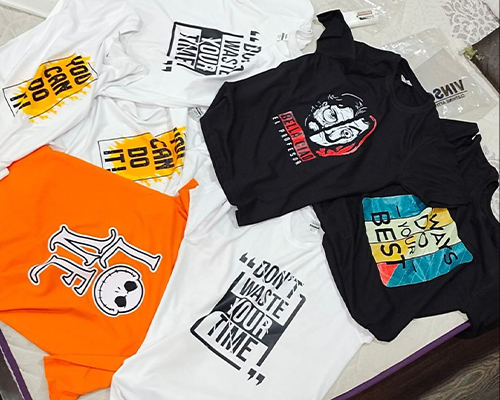
- Gym brands
- Local businesses (uniforms, logos)
- Anime / gaming niches
- Religious / cultural groups
- Micro-communities (e.g., dog breeds, fishing styles)
Because:
The T-shirt is not the product.
The identity printed on it is.
Data shows niche-focused brands outperform generic ones due to targeted demand and easier marketing
Step 2: Why DTF Is the Smart Entry Point
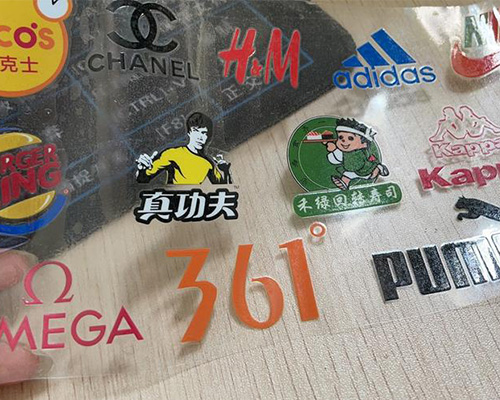
DTF works differently from traditional methods:
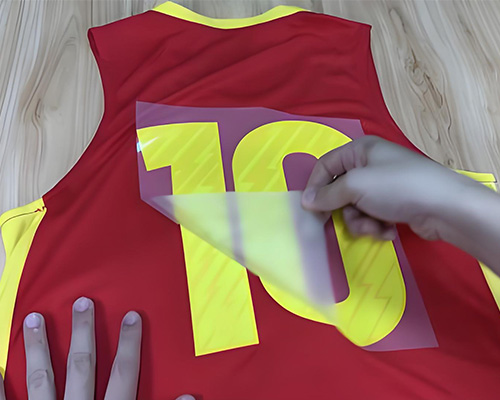
- Print design on film
- Apply adhesive powder
- Heat press onto fabric
This creates a business advantage:
Key Strengths
- Works on cotton, polyester, blends, and more
- No minimum order requirement
- High detail + full-color output
- Durable and flexible prints
Strategic Meaning
- You can produce 1 piece or 1000 pieces with the same setup
- You can test ideas without inventory risk
That’s why DTF is considered a “light-asset manufacturing model”
Step 3: Choose Your Business Model (This Decides Everything)
There are three dominant models:
1. Print-on-Demand (Low Risk, Low Control)
- Sell online
- Produce only after orders
2. Local Custom Shop (Stable Cash Flow)
- Serve businesses, schools, gyms
- Repeat bulk orders
3. Brand Model (High Risk, High Upside)
- Build your own clothing brand
- Sell through Shopify / TikTok / Instagram
From real operator insights:
“Most customers don’t want transfers—they want finished products.”
This means:
👉 Selling finished T-shirts > selling DTF prints
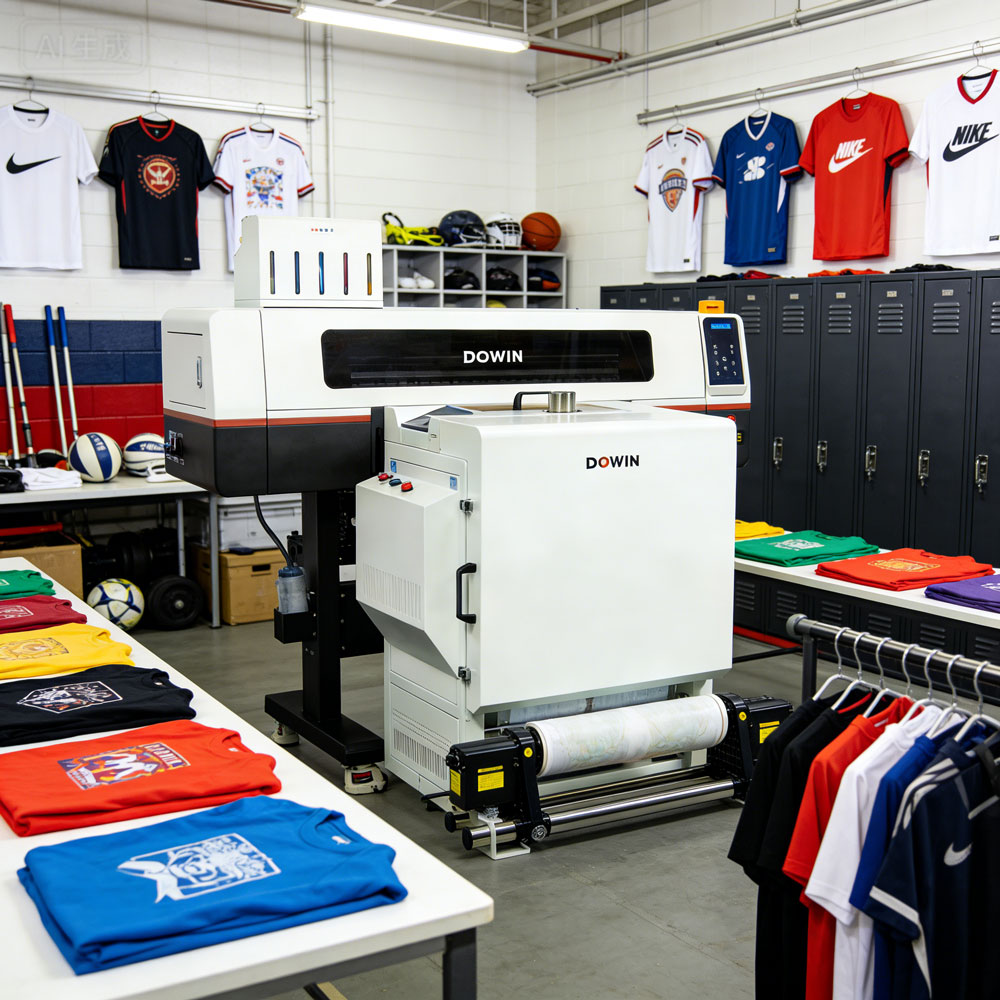
Step 4: Equipment Setup (Lean vs Scalable)
Entry-Level Setup ($2,500–$5,000)
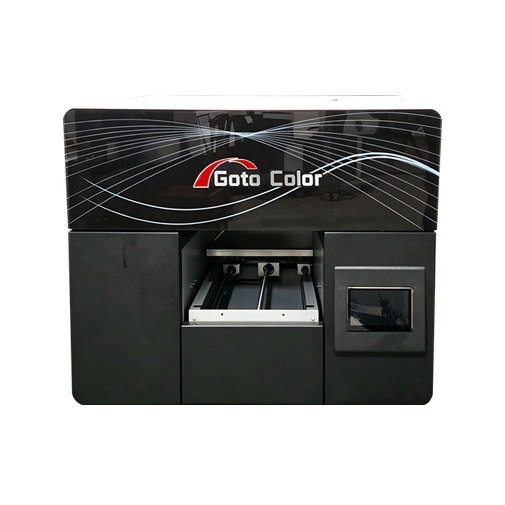
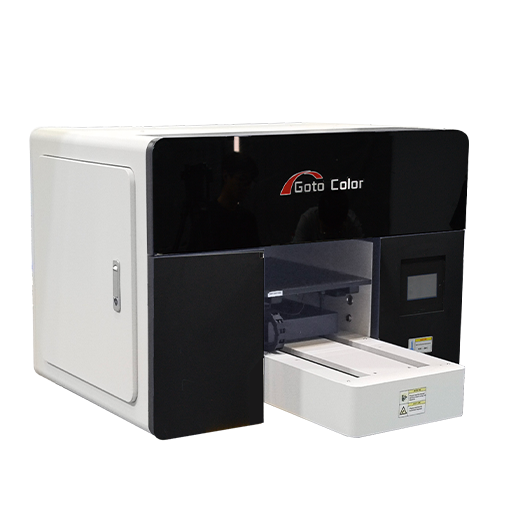
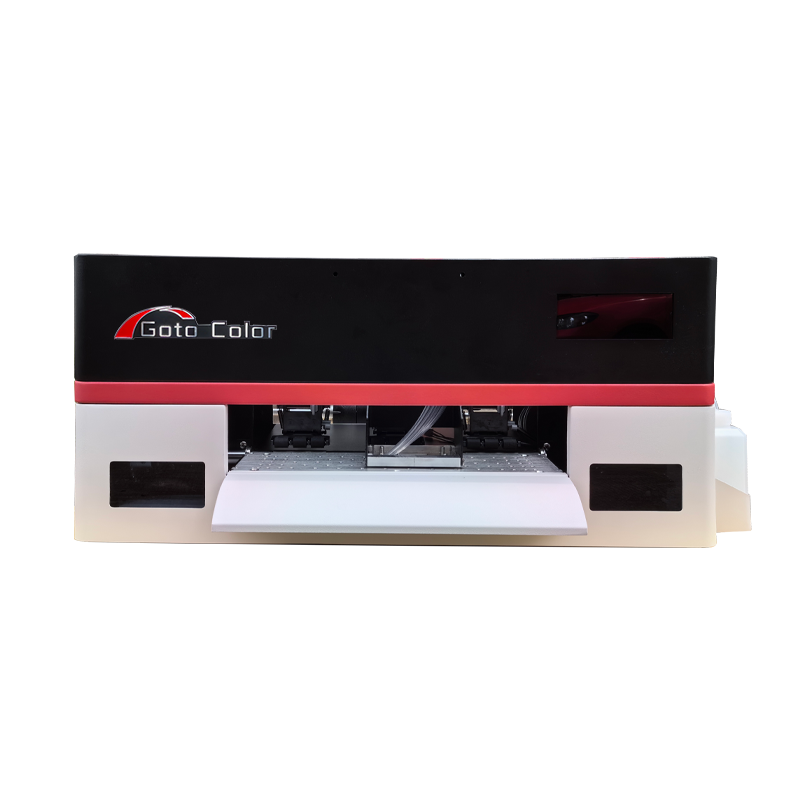
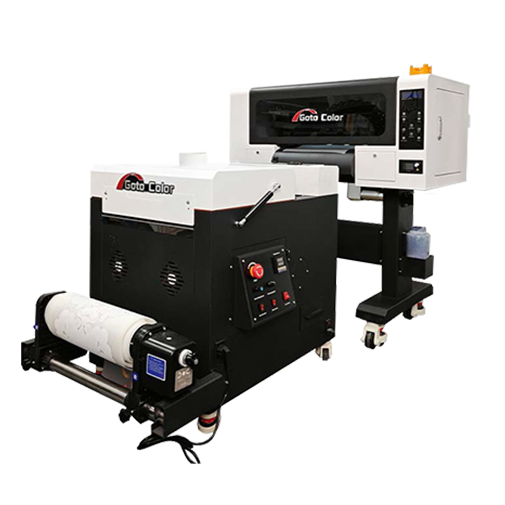
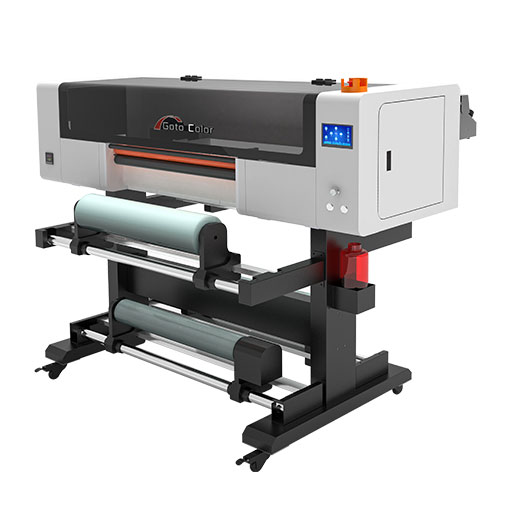
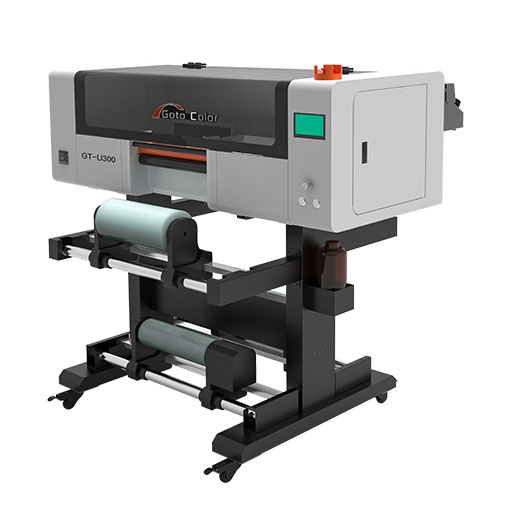
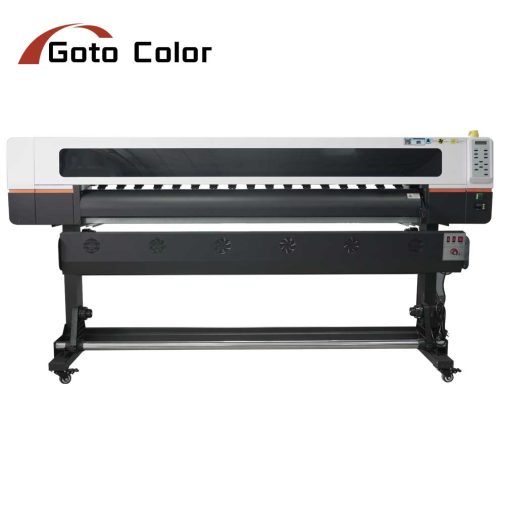
- DTF printer
- Heat press machine
- PET film + ink + powder
- Basic curing method
Scalable Setup ($10,000–$20,000+)
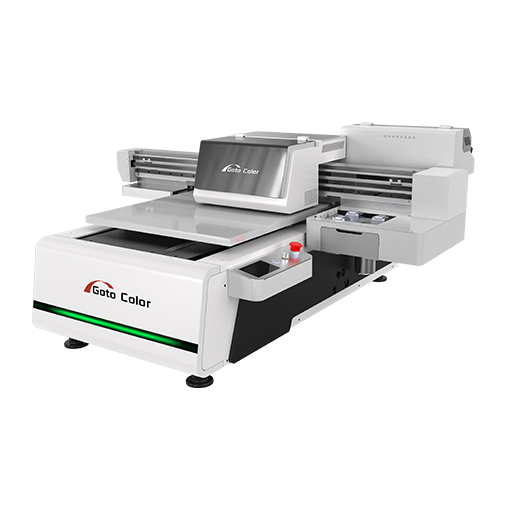
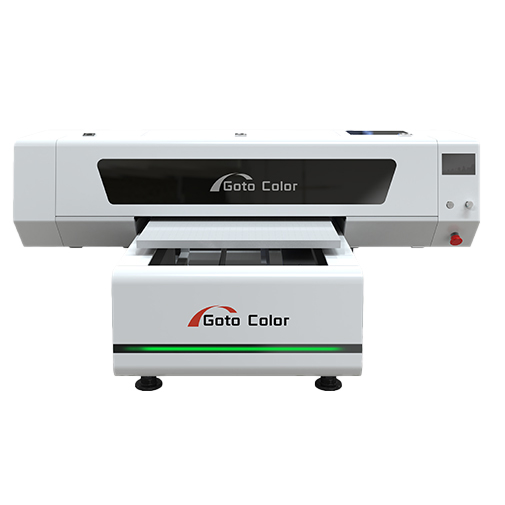
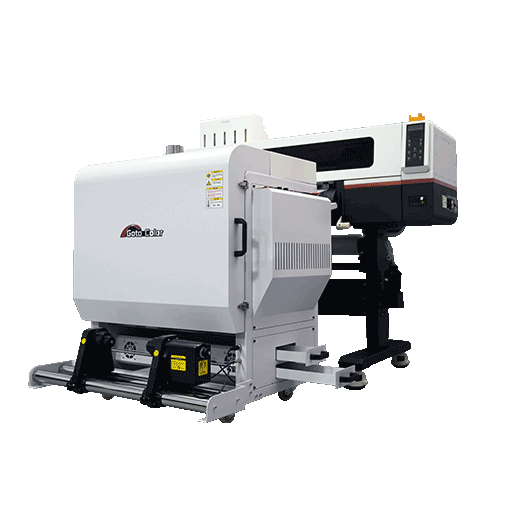
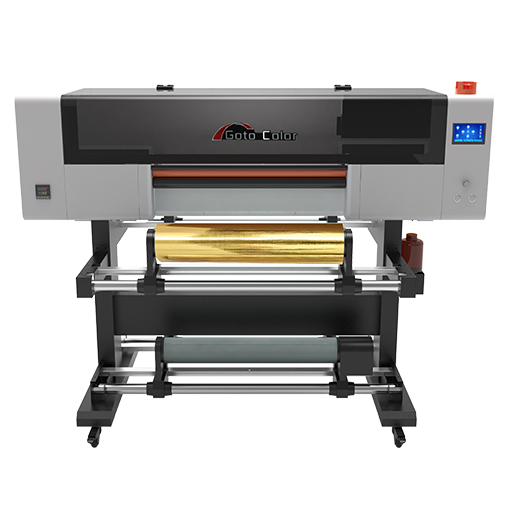
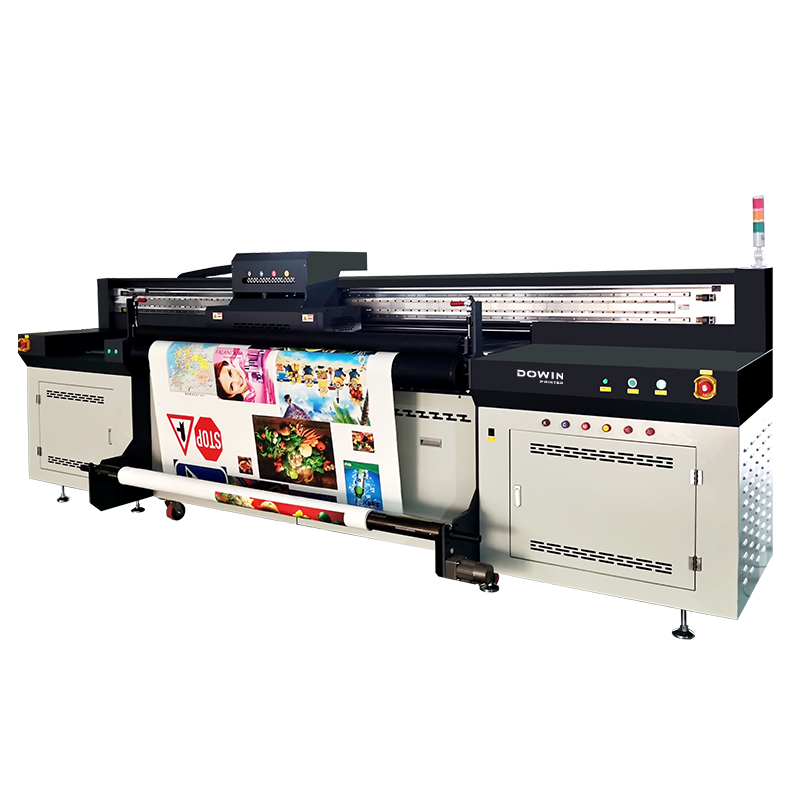
- Industrial DTF printer
- Powder shaker + curing oven
- Workflow automation
- Bulk production capability
Typical requirements include:
- RIP software for color control
- Stable heat press for consistent results
Step 5: The Workflow That Actually Makes Money
Here’s the real production logic:
- Design (or outsource)
- Print on film
- Apply powder + cure
- Heat press onto shirt
- Sell
Sounds simple—but the real optimization is:
Batching orders
Why?
- Printing one shirt = low efficiency
- Printing 50 shirts = real margin
Industry insight:
Profit comes from volume and repeat designs—not one-off creativity
Step 6: Pricing Strategy (Where Most People Lose)
Typical beginner mistake:
- Competing on price
- Undervaluing design + brand
Reality:
- Average profit per shirt can be $8–$10 or more, depending on scale
- Businesses with repeat clients outperform random custom orders
Better strategy:
- Bundle pricing (design + shirt + printing)
- Focus on B2B clients (gyms, companies, schools)
- Lock in repeat orders
Step 7: Marketing Is the Real Engine
DTF is easy.
Selling is hard.
High-Conversion Channels:
- TikTok (process videos convert extremely well)
- Instagram (visual branding)
- Local outreach (walk into businesses)
- Etsy / Shopify (long-tail traffic)
What Works Now:
- Behind-the-scenes printing videos
- Niche humor or identity designs
- Limited drops (scarcity model)
Step 8: The Brutal Truth Most Guides Won’t Tell You
1. This Market Is Competitive
In many areas, DTF becomes a price war quickly
2. The Printer Is Not the Business
Many fail because they buy equipment first.
Reality:
Customers come first. Equipment comes second.
3. Consistency Beats Creativity
At scale:
- Speed matters
- Repeatability matters
- Systems matter
Breaking the Old Thinking
Traditional mindset:
“Buy a printer → print shirts → sell”
New reality:
Find demand → validate niche → build system → scale production
Final Insight: This Is Not a Printing Business
If you approach this as printing, you will struggle.
If you approach this as:
- A niche brand
- A local supply chain
- A customization service
Then DTF becomes powerful.
The winners are not the best printers.
They are the best demand engineers.