Most people summarize DTF (Direct-to-Film) in three words:
cheap, flexible, easy.
That’s surface-level thinking.
The real advantage of DTF is not what it does—it’s how it quietly reshapes production logic, cost structure, and even business models in the apparel industry.
Here are five advantages that are rarely discussed—but matter the most.
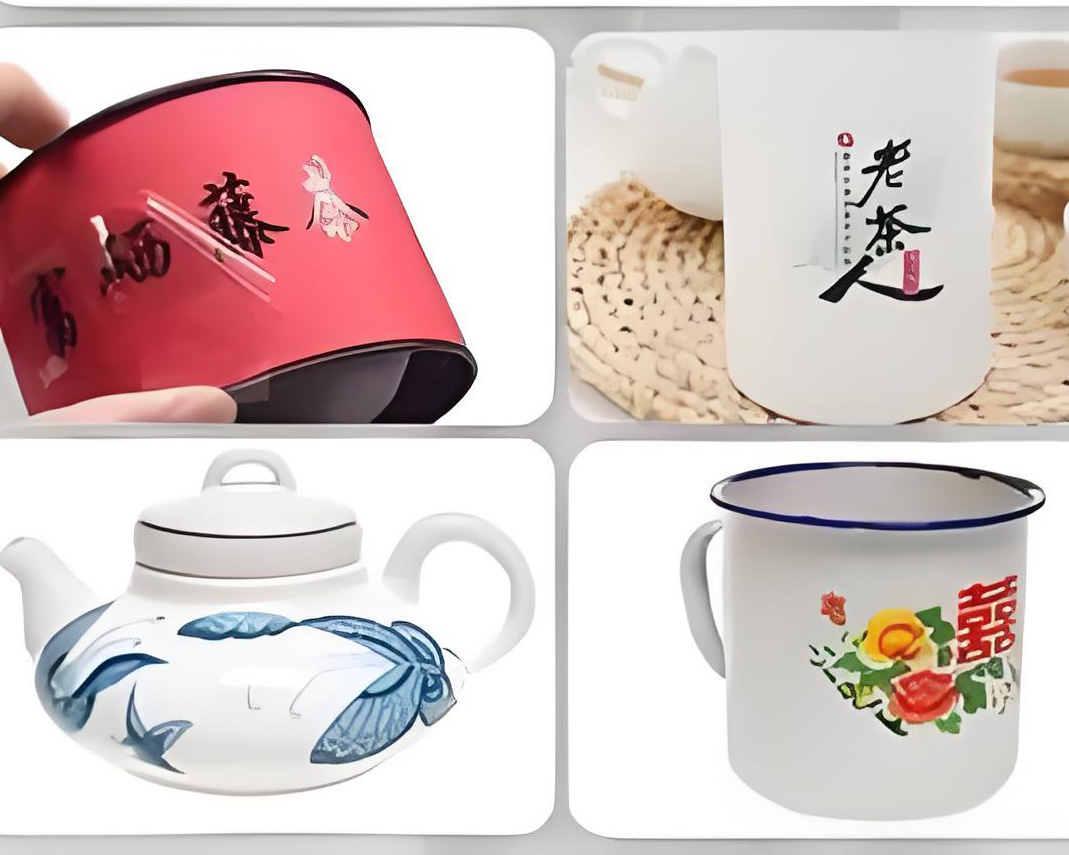
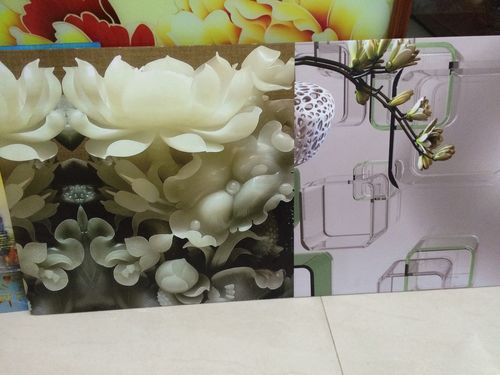
Most printing technologies are material-dependent:
DTF changes that entirely.
It works across:
This is not just “versatility.”
It means:
You no longer need multiple technologies to run a multi-product business.
One system can cover:
That collapses operational complexity—and that’s where real money is saved.
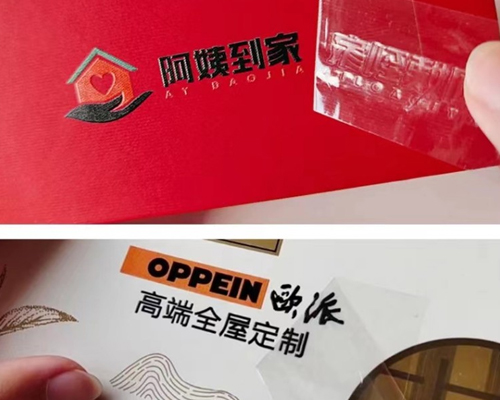
Traditional printing = produce after order
DTF introduces a different model:
This means:
You separate production from sales timing
Even Reddit operators confirm this shift:
“DTF lets you stock up transfers in bulk.”
This turns printing into something closer to inventory management, not just manufacturing.
Screen printing has a hidden truth:
DTF eliminates that completely.
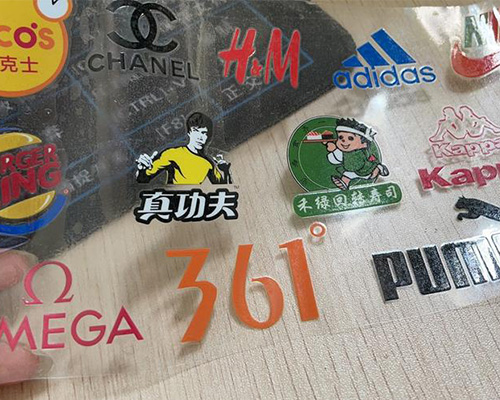
Complexity becomes free.
You can print:
At nearly the same cost.
That fundamentally changes:
There’s a misconception:
But data shows DTF prints can withstand 30–50 washes under normal conditions
At the same time:
DTF sits in a unique middle ground:
That makes it ideal for:
It’s not the “best” in one dimension—it’s the most balanced overall.
Most beginners think:
Better machine = better business
DTF flips that.
Because:
The real competition moves to:
The advantage is no longer hardware—it’s how you use it.
DTF democratizes printing so much that:
That’s where the gap forms.
Old thinking:
New reality:
DTF is often marketed as a “printing method.”
That’s inaccurate.
It is:
It doesn’t just improve printing—it changes how printing businesses are structured.
And that’s why many underestimate it—until they see someone else scale faster with the same machine.