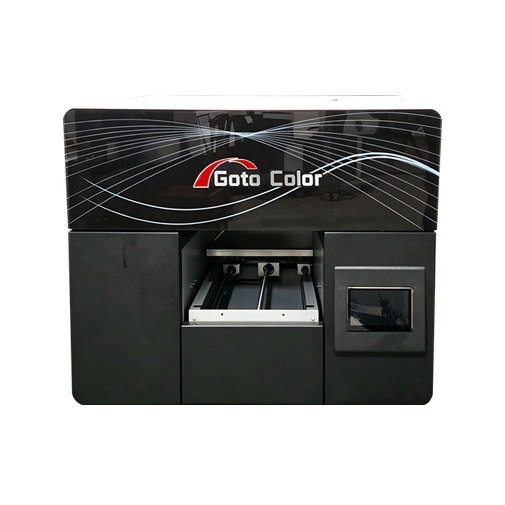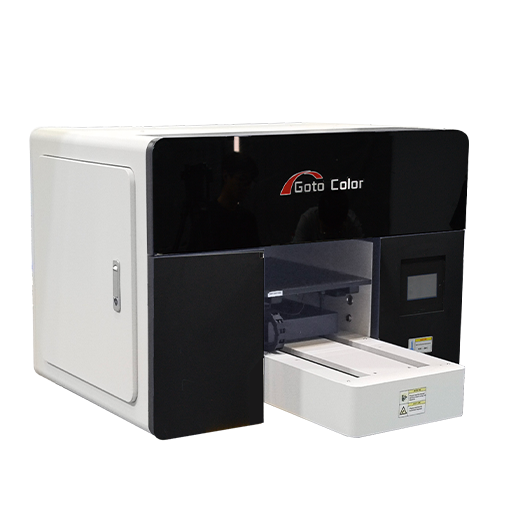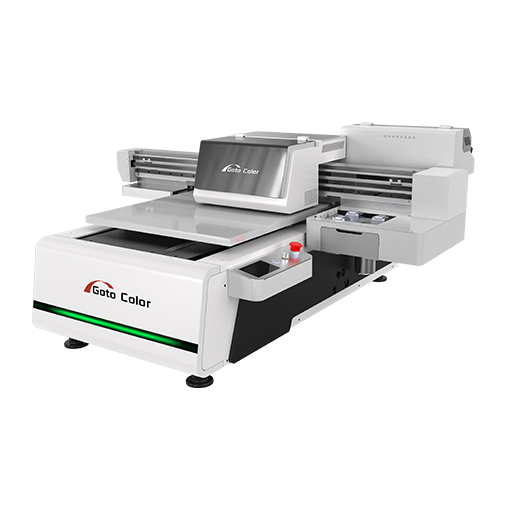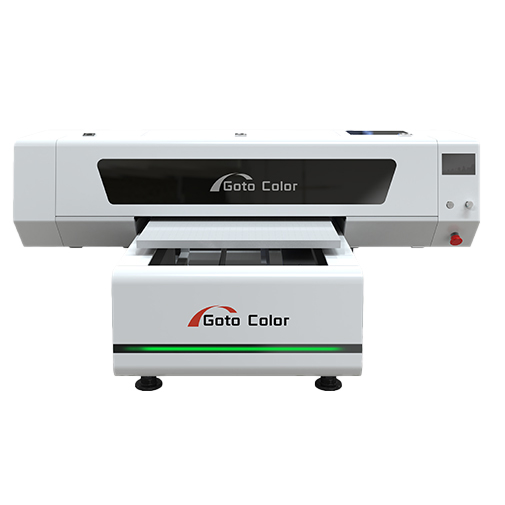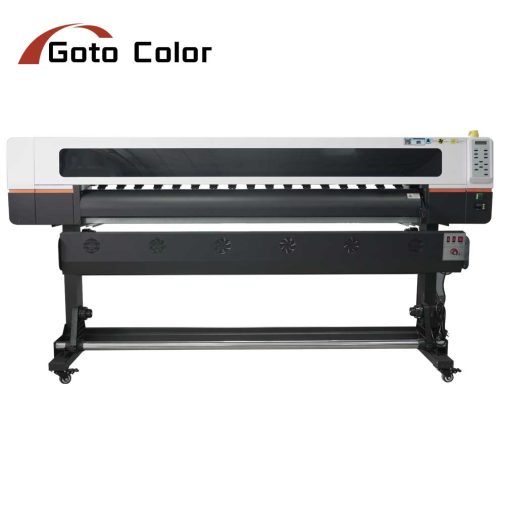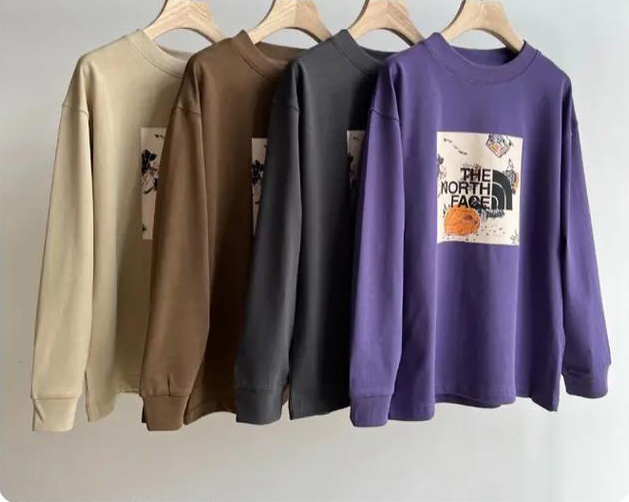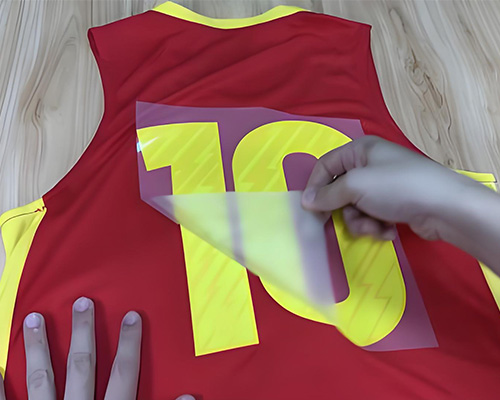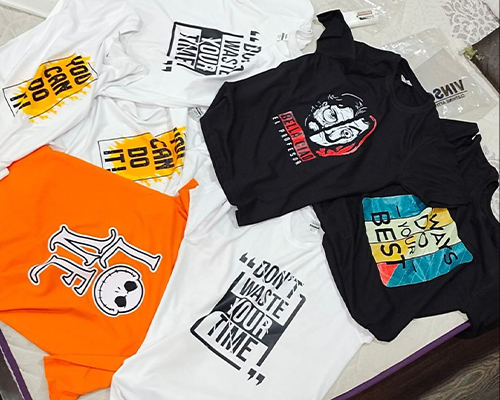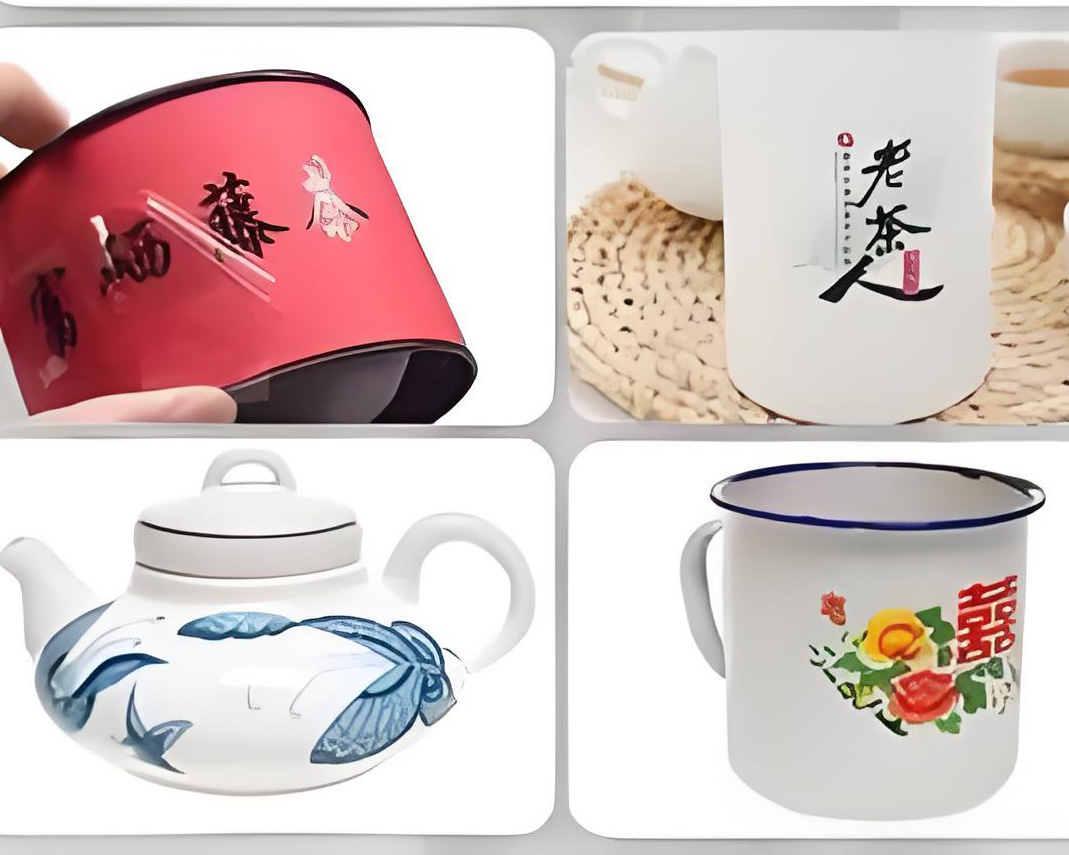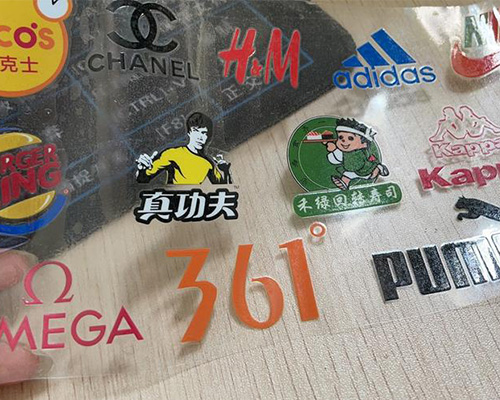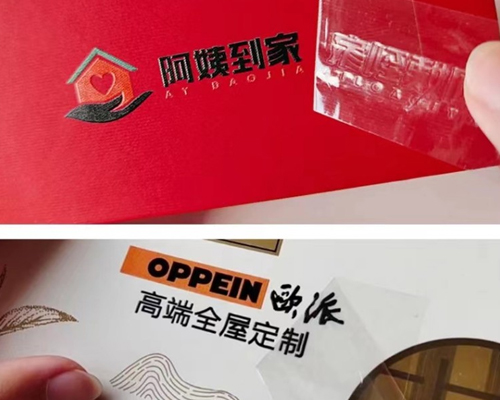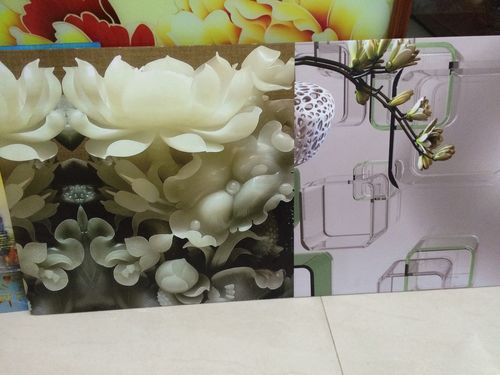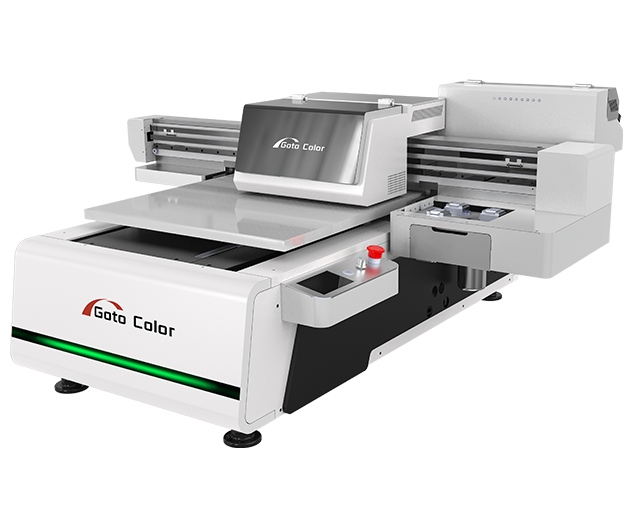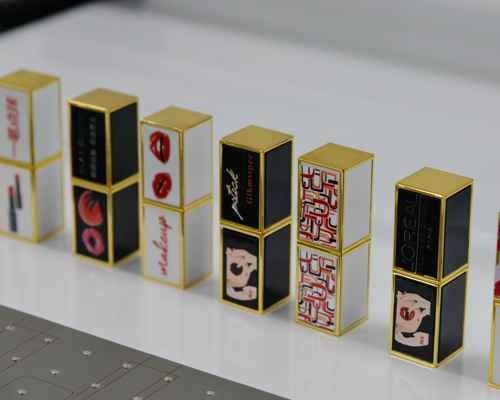
UV Direct-to-Film (UV DTF) printing is a rapidly expanding niche within digital printing that blends flexible design workflows with the ability to produce high-quality transfer graphics for hard goods and irregular surfaces. Instead of printing directly onto objects, UV DTF creates finished transfers on PET film that can then be applied to substrates like glass, metal, ceramics, wood, and plastics without specialized object printers.
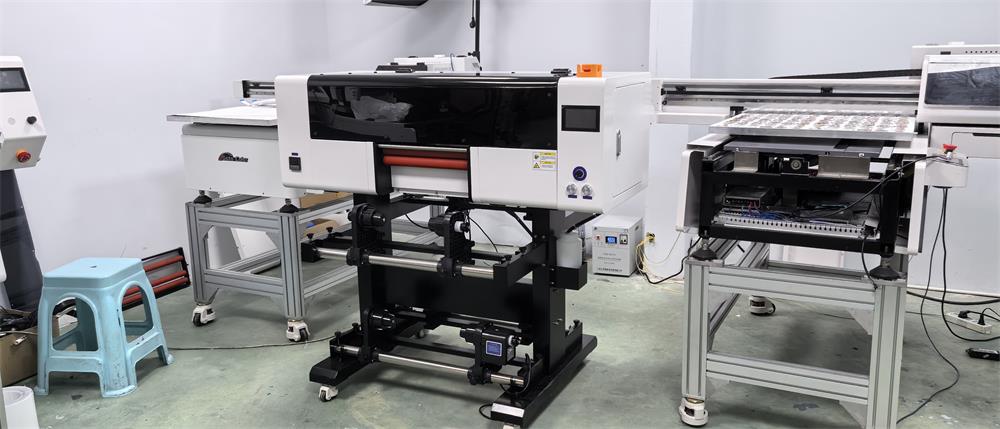
Choosing the right printer for UV DTF requires a clear understanding of how the technology differs from standard UV printing and conventional garment DTF processes. The choice will directly affect your production quality, workflow efficiency, and long-term operating costs.
UV DTF combines UV‐curable inkjet printing with transfer film handling. When the design is printed onto a specially coated film, integrated UV LED lamps cure the inks instantly, producing prints that are dry, tacky, and ready for lamination and transfer. This instant curing is what allows UV DTF transfers to adhere to a wide variety of materials without heat or pressure.
This technology sits between traditional UV direct printing (which prints directly on surfaces) and classic textile DTF printing, and it opens creative possibilities that neither method alone can achieve.
A UV DTF transfer printer must support several specialized features:
UV Curable Print Engine: Unlike standard inkjets, the printer must be built to handle UV-curable inks that are thicker and reactive. These inks cure only when exposed to specific UV wavelengths and require containment systems that prevent premature curing within the machine.
Integrated UV LED Curing: UV lamps must be located in close proximity to the print heads so that each ink droplet solidifies as soon as it contacts the film. Instant curing prevents ink spread and ensures crisp, vibrant detail.
White Ink and Varnish Capabilities: Professional results usually require white ink layers to offer opacity on transparent or dark films, and optional varnish layers for protection or dimensional effect. UV systems often have multiple ink channels to support these.
Film Feed and Handling: UV DTF utilizes special PET transfer films engineered to accept UV inks and release them during lamination. The printer must feed these films reliably without slips or jams.
Importantly, regular UV printers (those designed for direct object printing) are not optimized for film feed or layered ink build-up required by UV DTF, and attempting to retrofit them often leads to poor quality and maintenance issues.
Printers suited for UV DTF generally fall into a few categories:
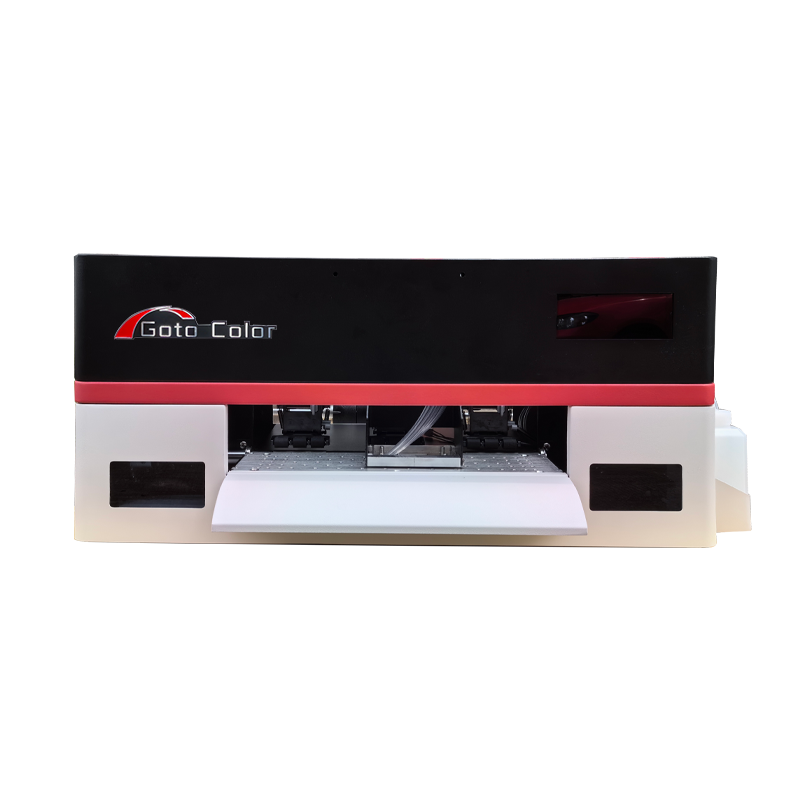
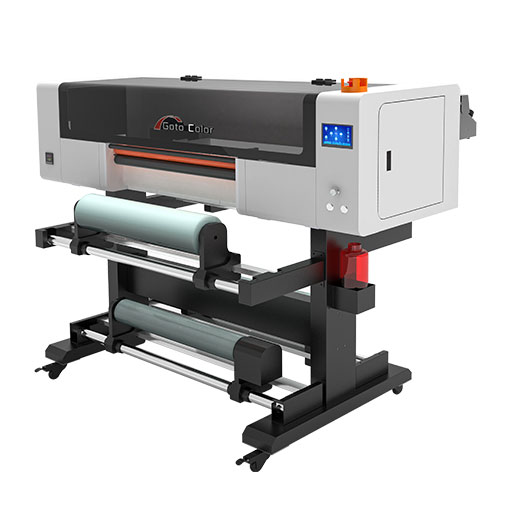
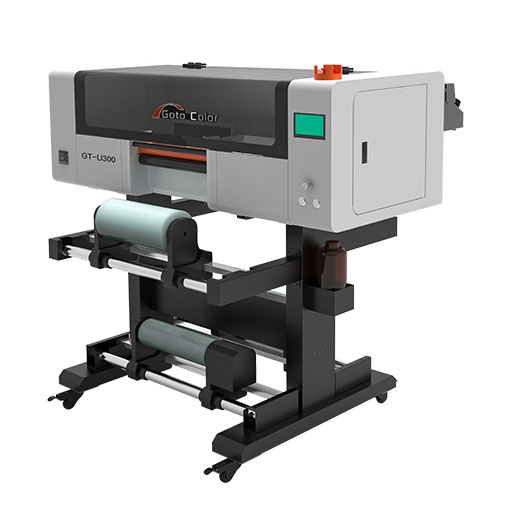
Desktop/Small-Format UV DTF Printers: These systems typically handle narrow film widths (e.g., 30–60 cm). They are ideal for startups, hobbyists, and low-volume production, offering reasonable speeds and manageable operating costs.
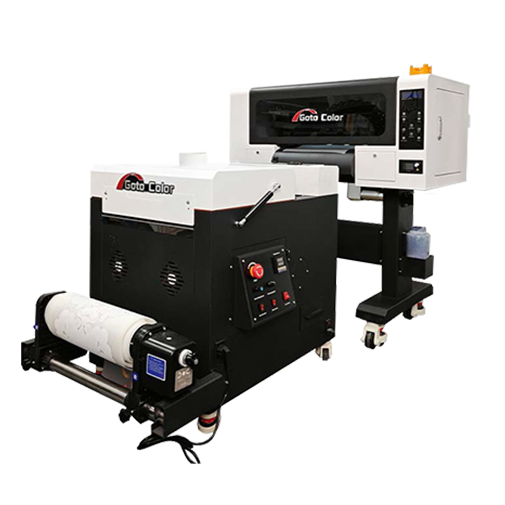
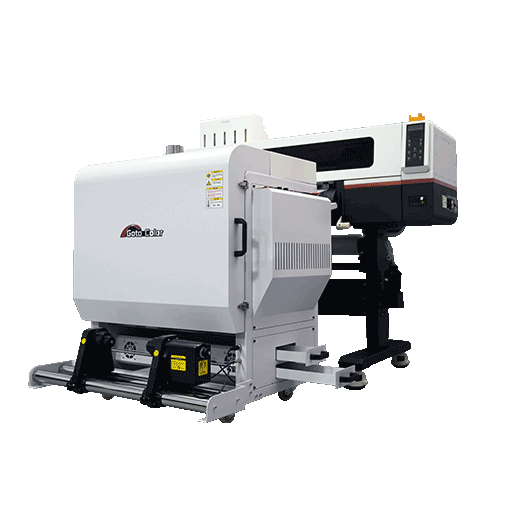
Mid-Size Production Systems: Often offering greater media widths and faster print engines, these balance throughput and price for small business environments. Such systems may have improved film tension control and automated feeding.
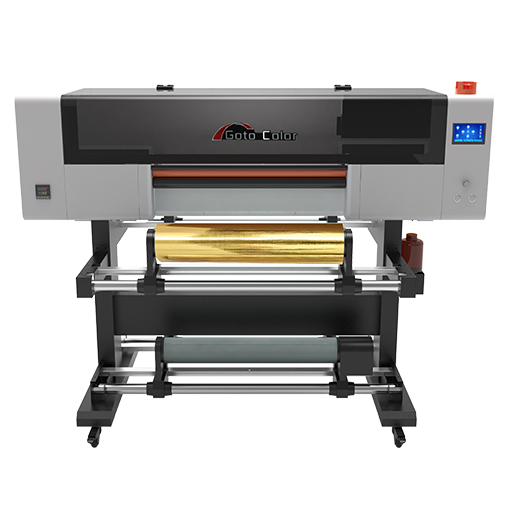
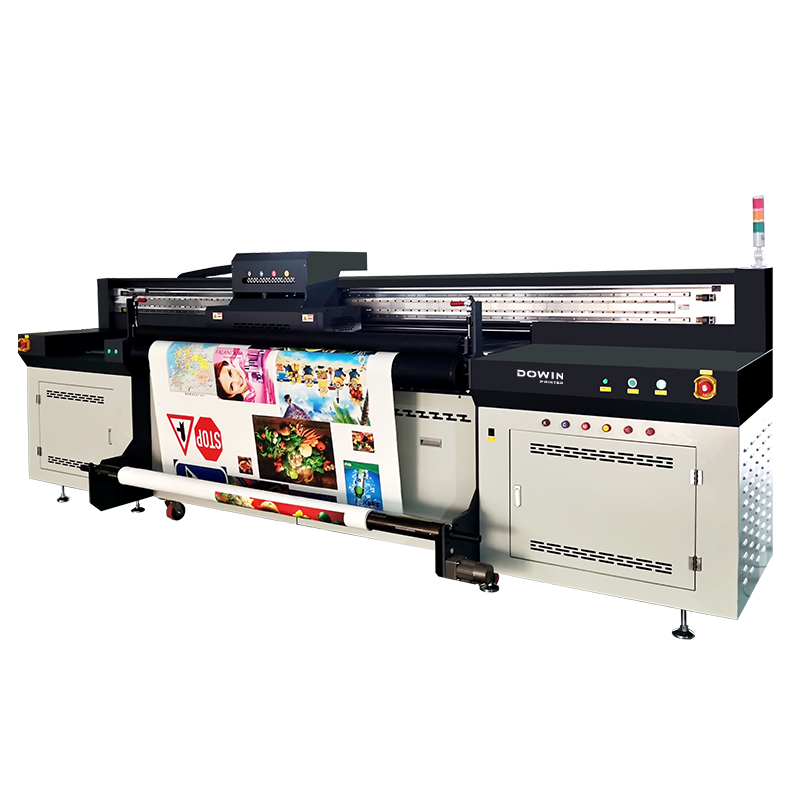
Industrial-Scale Roll-to-Roll Printers: Designed for higher throughput with broader roll widths, more advanced ink systems, and production-grade reliability. These are suitable for companies scaling custom transfer production.
Production requirements, target throughput, and floor space should guide your choice. Many businesses begin with smaller systems to gain experience before scaling up.
Hardware is only part of the equation. UV DTF production relies heavily on RIP (Raster Image Processor) software that enables precise control over ink layers, white channels, and curing parameters. Professional RIP suites offer features like color management, multi-pass settings, and print optimization — all of which contribute to consistent, high-quality output.
Integration with design tools and workflow software is increasingly important as customization demands grow. Inefficient software can erode the productivity benefits of these advanced printers.
A complete UV DTF workflow usually includes:
Transfer Films: Special PET films engineered for adhesion and release behavior with UV inks.
Laminators: For applying the adhesive carrier (B-film) onto the printed design.
Cutting Tools: Depending on the shape and application requirements.
Heat Presses or Application Stations: Though UV DTF transfers generally don’t require heat, some applications benefit from controlled pressure during final placement.
Budgeting for these components alongside the printer itself ensures a functional and productive setup from day one.
UV DTF printing fits a specific segment of the customization market: high-quality, quick-turnaround transfers for rigid and semi-rigid materials. Demand has grown in sectors like promotional products, signage, personalized drinkware, and decorative goods because UV DTF bypasses many limitations of direct object UV printing (which often requires different setups for each material type).
However, practitioners should be aware that:
Durability of UV DTF transfers can vary based on substrate and adhesive quality. In some cases, durability does not match traditional heat-activated DTF used for fabrics.
Adhesion challenges on certain substrates are reported in practice, highlighting the importance of testing materials and finishes before full production.
These insights underscore the need for rigorous testing and workflow refinement before committing to volume production.
To succeed with UV DTF transfers, choose a printer that is purpose-built for UV ink chemistry, film feed precision, and integrated curing systems. Prioritize features like reliable white ink delivery, flexible media handling, and strong software support over the lowest purchase price. Understand that UV DTF sits between direct UV printing and garment DTF — it does not replace either but serves its own niche exceptionally well when properly implemented.
Investing in the right equipment and complementary tools positions your operation to deliver creative, durable transfers across a range of hardgoods and specialty applications.
What is this technology used for?
It is mainly used for customized, small-batch, and short-run production, offering flexibility across multiple materials or applications.
How is it different from traditional printing methods?
It simplifies the workflow and reduces material limitations, making it more adaptable to complex or irregular surfaces.
What type of equipment is required?
Specialized equipment designed for this process is recommended, as standard machines often lack the necessary ink, curing, or media-handling capabilities.
Is white ink or a special layer necessary?
Yes. White ink or a functional base layer is essential for opacity, color accuracy, and consistent final results.
What materials are compatible?
Common materials include plastics, glass, metal, wood, acrylic, and coated surfaces, depending on the specific process.
How durable are the results?
Durability is suitable for decorative and commercial use, though it may vary based on materials, environment, and application conditions.
Is it suitable for beginners or small businesses?
Yes. It is especially popular among small businesses due to its low setup complexity and broad application range.
What are the main limitations?
Performance depends heavily on material testing, workflow control, and proper equipment configuration.