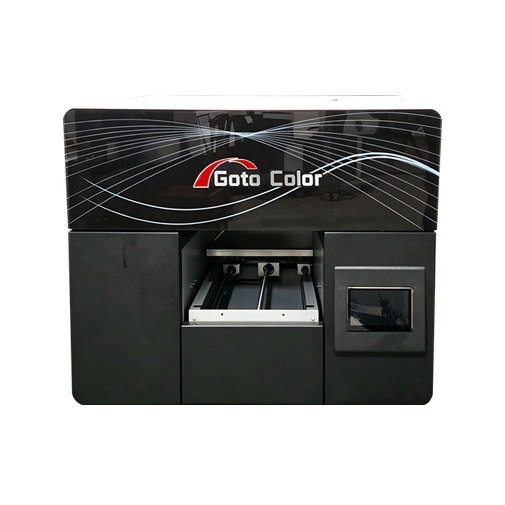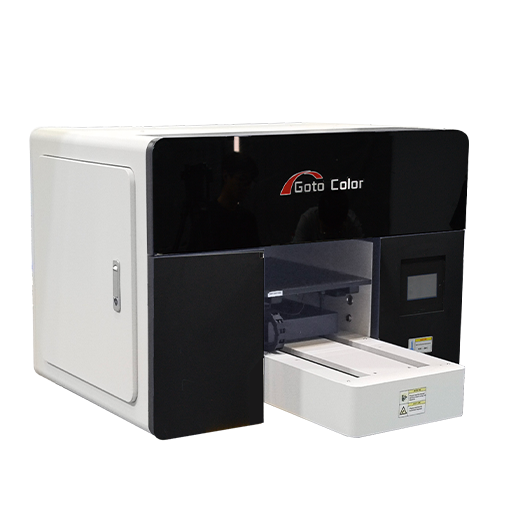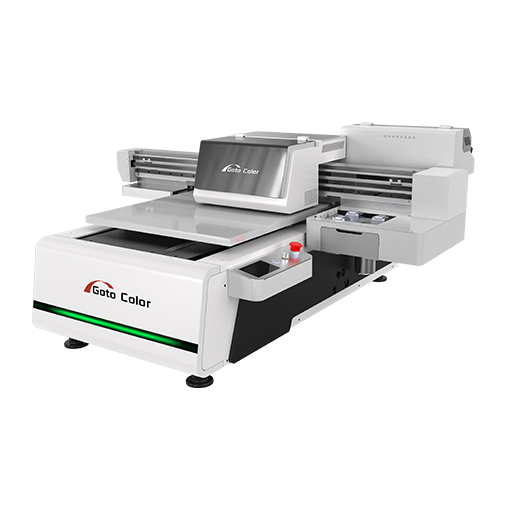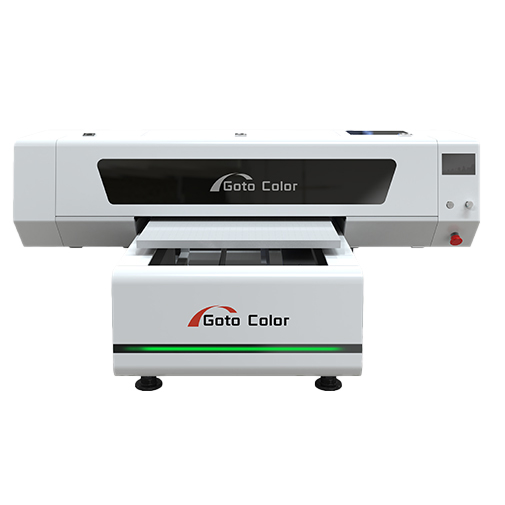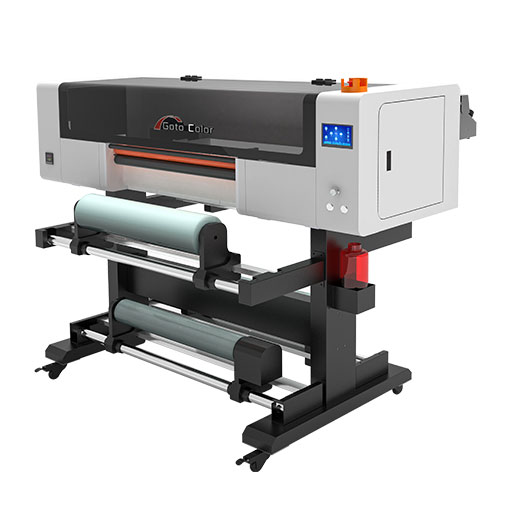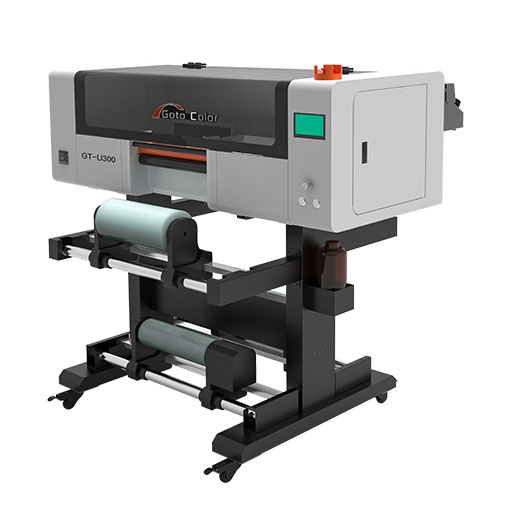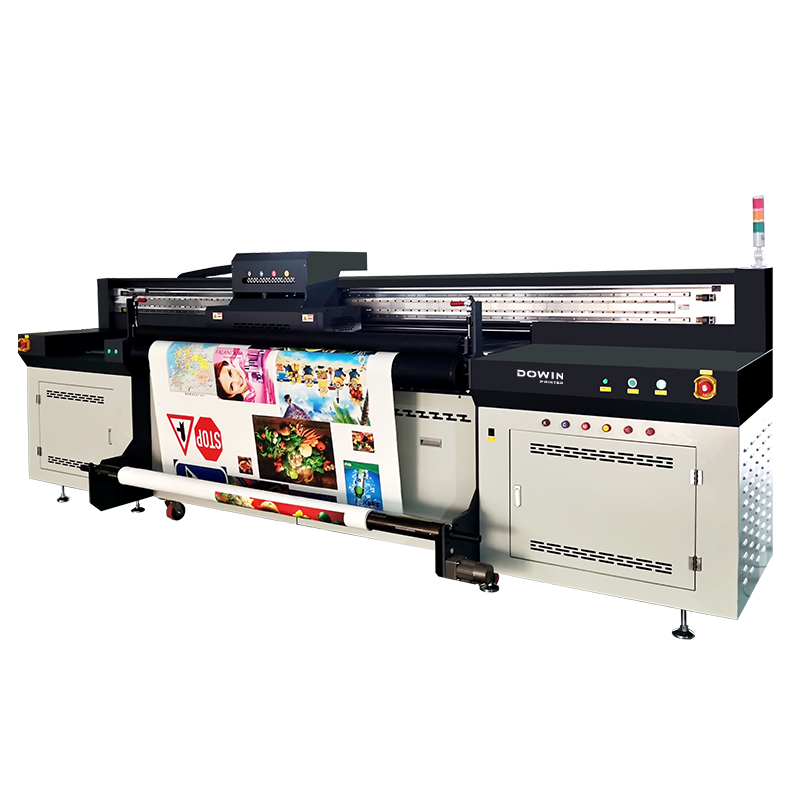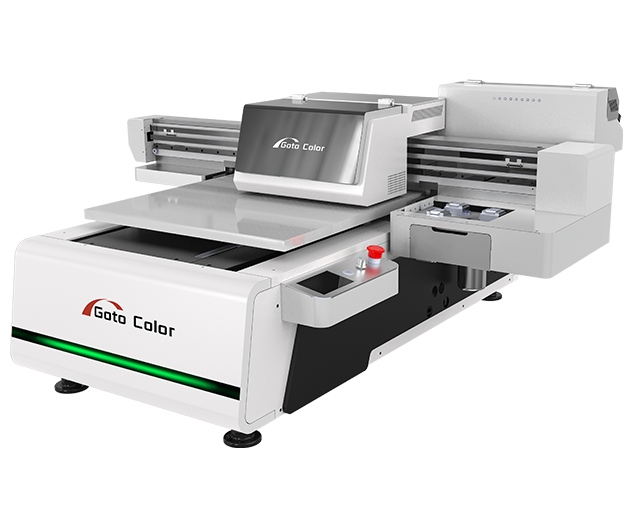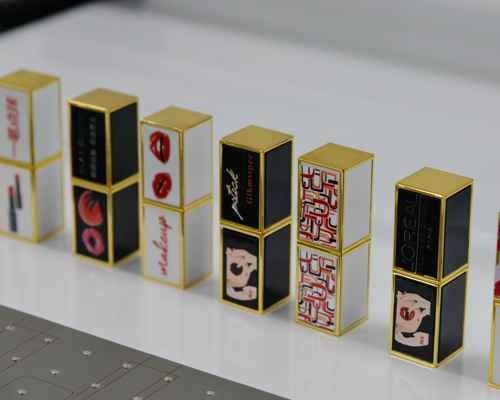

Two mainstream UV printing solutions are UV DTF (roll‑to‑roll transfer film printer) and UV Flatbed Printer. Though both use UV‑curing ink, they differ dramatically in working principle, compatible substrates, production workflow and suitable business scenarios.
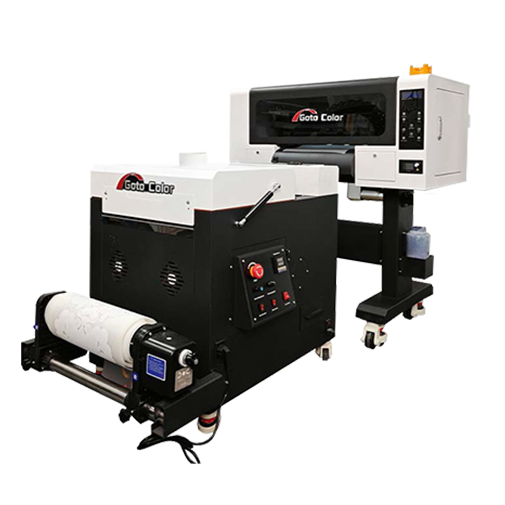
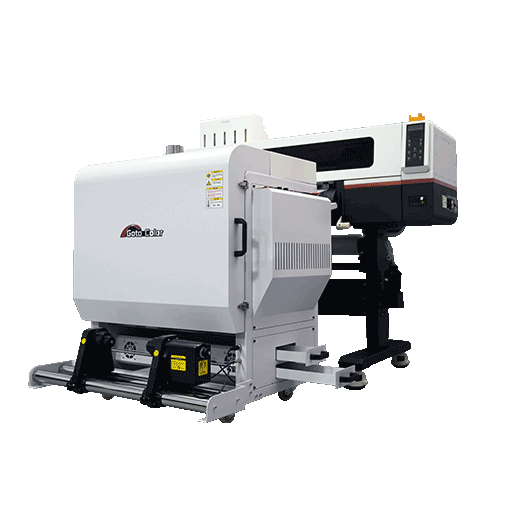
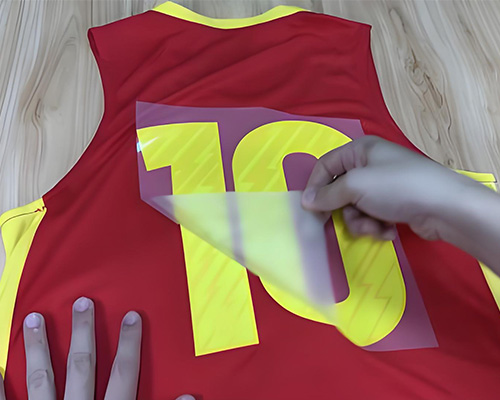
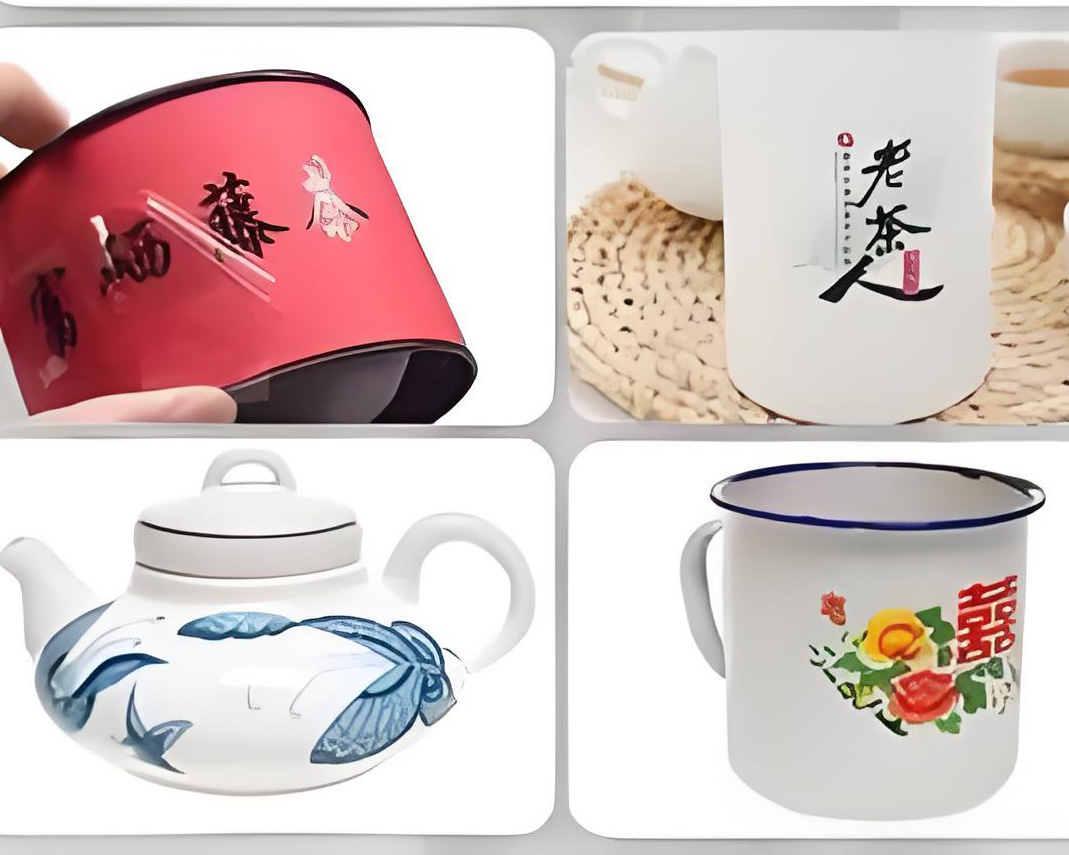
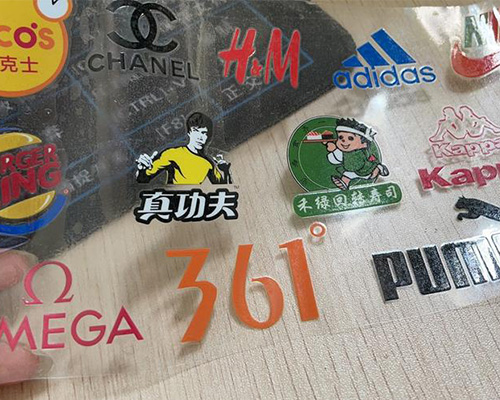
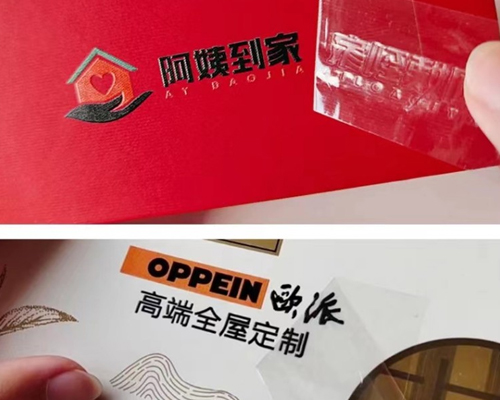
UV DTF prints patterns onto special AB transfer film. It prints color layers and UV glue on the A‑film, then laminates with B‑film in‑line. The finished decal can be peeled off and transferred onto target objects by hand or heat‑assisted lamination.
No direct printing on goods. The graphic is a transfer sticker applied to products.
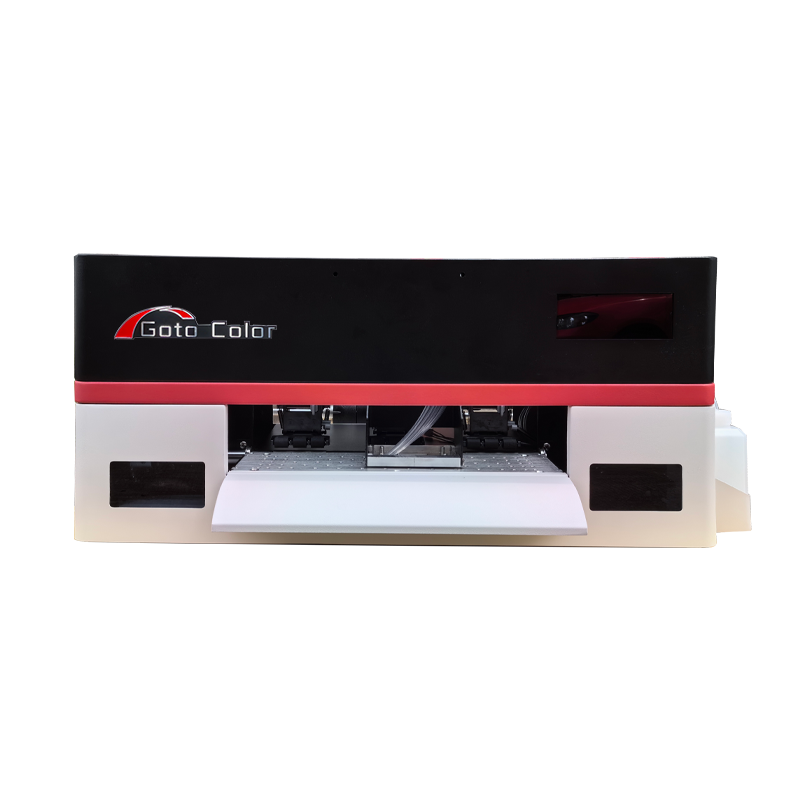
The flat‑bed machine prints UV ink directly onto the surface of items placed on the vacuum platform. UV lamps cure ink instantly on the object surface.
Direct‑to‑object printing; graphics are printed and cured right on the workpiece itself.
✅ Best for irregular, curved, cylindrical, uneven surfaces: mugs, bottles, pens, curved gifts, leather, wood, metal, plastic, hard cases. ✅ Works on finished items that cannot be put on a flatbed. ❌ Not fit for large‑format full‑panel decoration.
Limitation: The final print is a sticker film; flexible soft stretchable rubber may cause the transfer layer to lift.
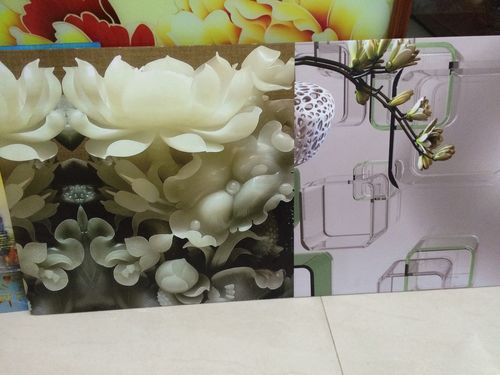
✅ Ideal for flat rigid substrates: acrylic, glass, wood panels, metal sheets, phone cases, tile, cardboard. ❌ Struggles with heavy curved, round, complex contoured objects. Objects must lay flat and fit within the machine bed height limit.
Some models add rotary jigs for cylinders, but maximum diameter & length are restricted.
Great for batch pre‑production; you can produce transfers first and decorate goods on‑demand.
Every piece needs manual positioning on the bed; cannot separate graphic production from product decoration.
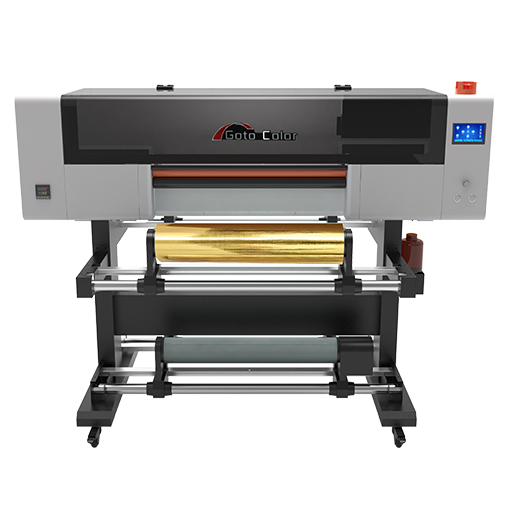
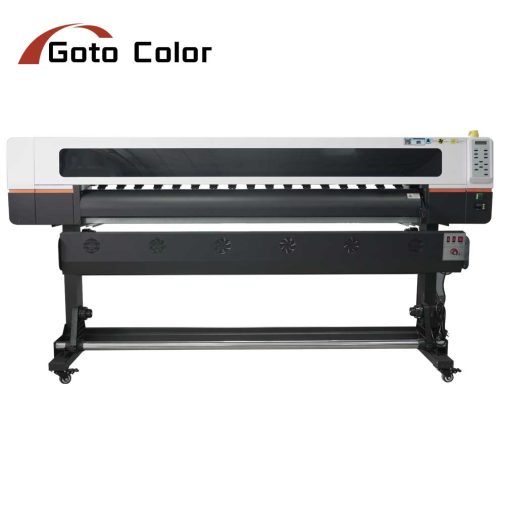
Most are roll‑fed narrow‑width printers (e.g 60cm width). Continuous roll‑to‑roll output, good for medium‑high volume sticker production.
Available in small desktop (like the 6090 in photo) up to large‑format industrial sizes. Print area is limited to the physical flat bed dimension. Each job is piece‑by‑piece.
Best‑fit businesses: Gift custom shops, promotional merchandise factories, small‑batch personalized branding, decoration for curved finished goods. Pros: Low fixture requirement, handle complex shapes, stock printable transfers. Cons: Consume AB transfer film as consumable; final print is a adhered sticker.
Best‑fit businesses: Sign & signboard making, acrylic crafts, panel processing, phone case mass customization, flat material signage. Pros: No transfer film needed; direct durable print, excellent adhesion on flat hard materials. Cons: Poor performance on heavily curved parts; every product needs fixture and positioning.
表格
| Item | UV DTF Printer | UV Flatbed Printer |
|---|---|---|
| Printing Mode | Print on transfer film, then apply to product | Print directly onto workpiece |
| Main Objects | Curved, irregular, finished goods | Flat rigid sheets & flat objects |
| Consumables | UV ink + AB transfer film | Only UV ink |
| 3D Emboss Effect | Very prominent | Moderate |
| Workflow | Separate film‑making & application | One‑step direct print |
| Typical Use | Promotional gifts, bottles, curved crafts | Signs, acrylic, flat panel crafts |
If you need, I can shorten this into blog‑ready markdown, or rewrite for product listing / Google web page SEO version.