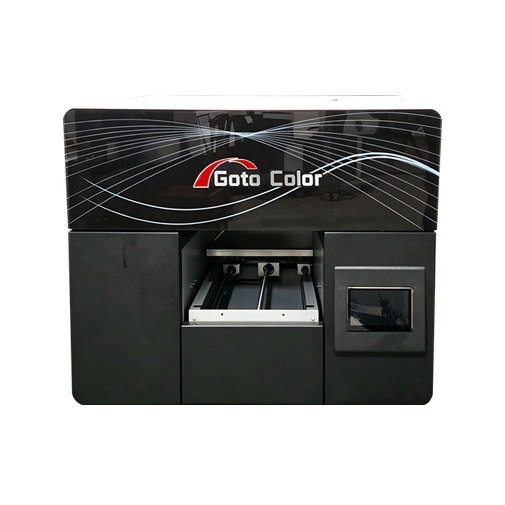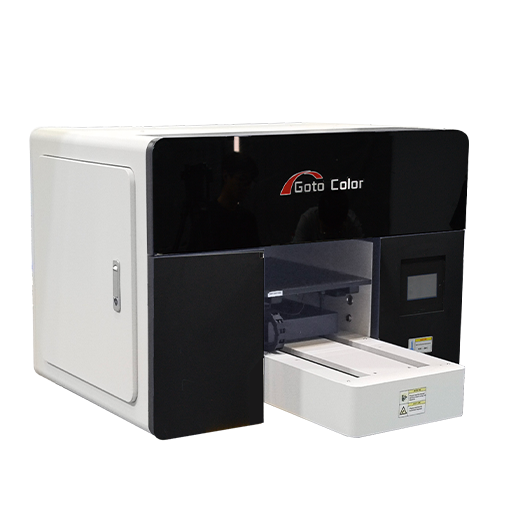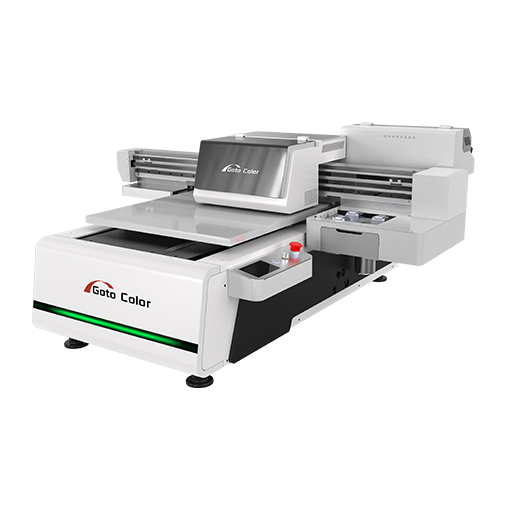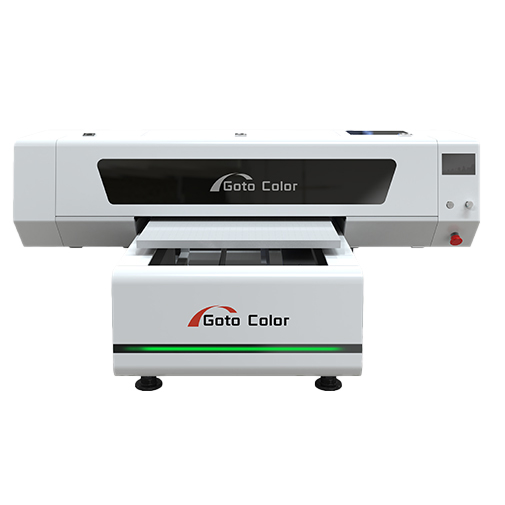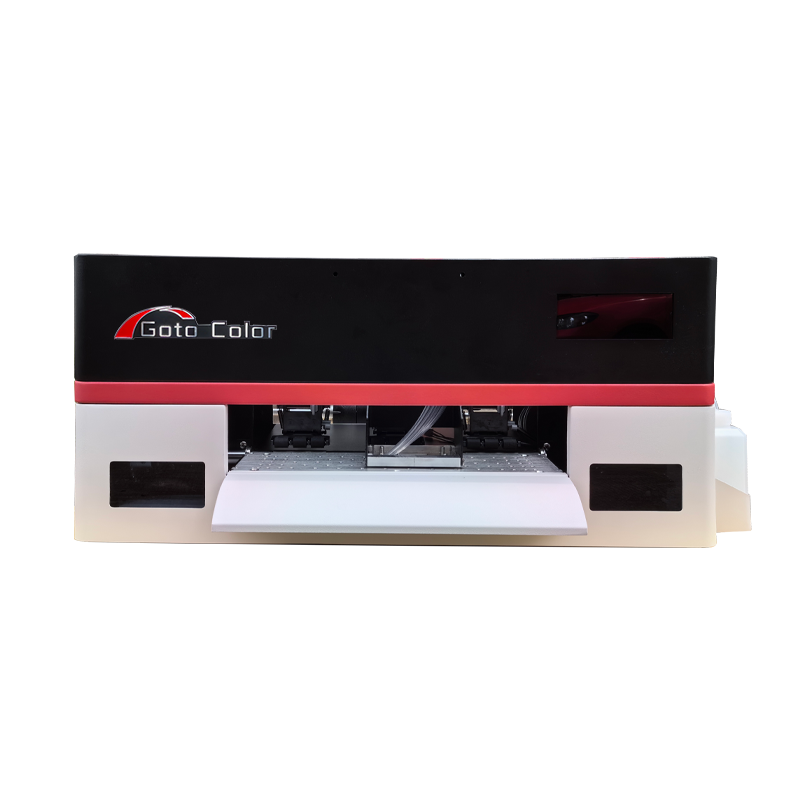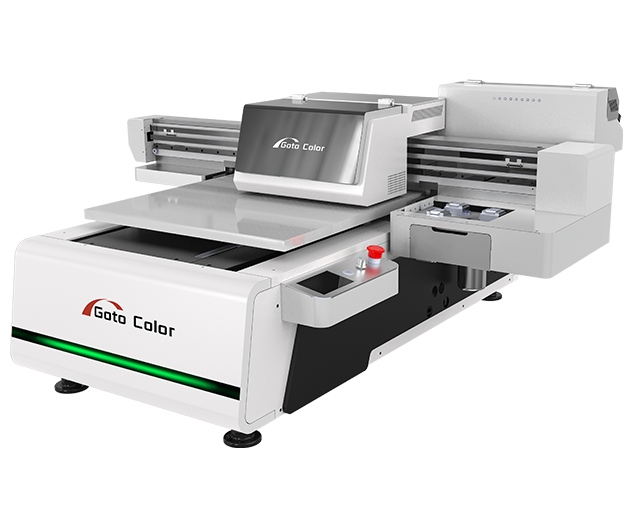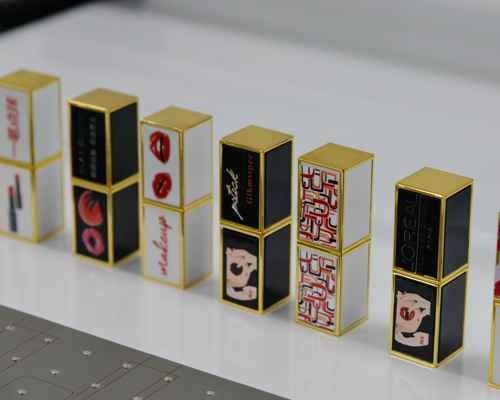
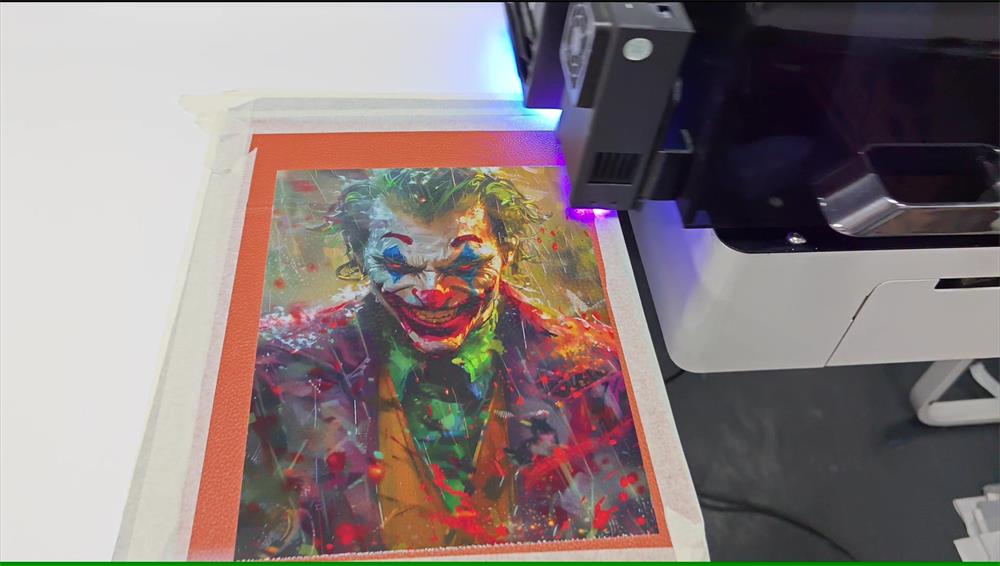
Leather products have always been valued for their premium appearance, durability, and versatility. With the development of UV printing technology, manufacturers and customization businesses can now create detailed, colorful, and personalized designs directly on leather surfaces. A UV flatbed printer provides an efficient solution for printing logos, patterns, images, and decorative effects on genuine leather, synthetic leather, and other leather-based materials.
However, achieving high-quality UV printing on leather requires proper material preparation, correct printer settings, and suitable ink selection. This article explains the key tips for producing excellent leather printing results.
Traditional leather decoration methods, such as embossing, engraving, and screen printing, often require more preparation time and may have limitations for customized designs.
UV printing offers several advantages:
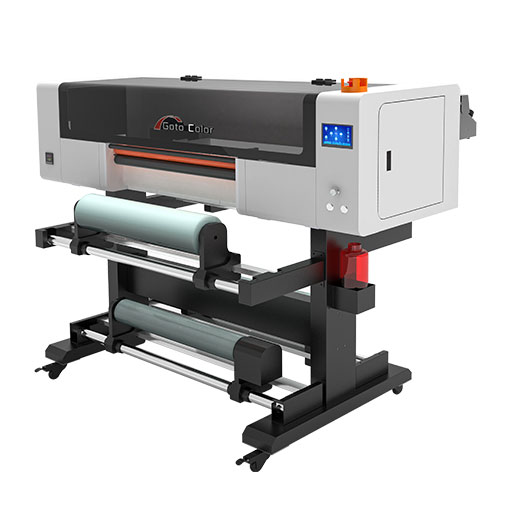
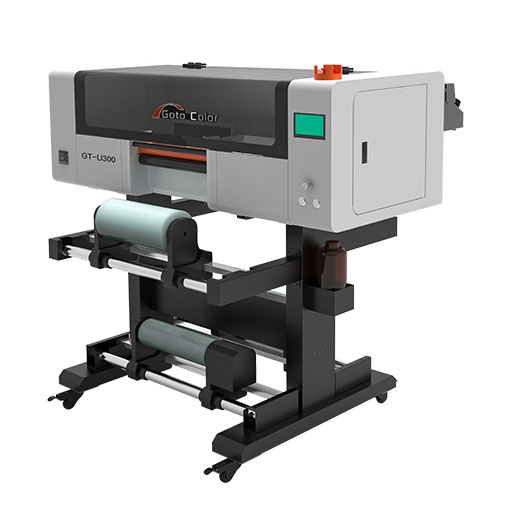
A UV flatbed printer allows businesses to create customized leather products efficiently, from fashion accessories to promotional items.
The quality of the leather surface has a major impact on printing results. Different leather types have different levels of ink absorption and surface treatment.
Common printable leather materials include:
Natural leather usually has a textured surface and requires careful preparation to improve ink adhesion.
Synthetic leather is widely used for bags, wallets, and accessories because of its smooth and uniform surface.
This material is often used for furniture, automotive interiors, and decorative products.
Before production, always test the material to determine whether additional treatment is required.
Surface preparation is one of the most important steps in UV leather printing.
Before printing:
A clean surface allows UV ink to bond better and prevents issues such as:
For some leather types, applying a suitable primer can further improve durability.
Correct printer parameters are essential for achieving professional results.
Important settings include:
High-resolution mode is recommended for:
A typical leather printing setup may include:
Proper curing settings help balance:
Over-curing may make the ink layer too hard, while insufficient curing may reduce durability.
Many leather products have dark surfaces, such as black, brown, or deep-colored materials. Printing CMYK colors directly on dark leather may result in dull or inaccurate colors.
White ink acts as a base layer by:
A UV printer with CMYK + White + Varnish capability provides more creative possibilities for leather applications.
One major advantage of UV printing is the ability to create special surface effects.
Varnish printing can produce:
These effects are especially valuable for:
Leather is often flexible and may have uneven surfaces. Incorrect print head height can affect image quality.
Proper adjustment helps prevent:
For textured leather, maintaining the correct distance between the print head and material surface is especially important.
Before mass production, testing is recommended.
Common tests include:
Checks whether the ink layer remains attached after surface friction.
Evaluates whether the printed design cracks when the leather bends.
Checks resistance to normal handling and cleaning processes.
Testing ensures that printed leather products meet customer expectations.
UV printing technology is widely used for customized leather products, including:
| Feature | UV Leather Printing | Traditional Printing |
|---|---|---|
| Setup time | Short | Longer |
| Customization | Excellent | Limited |
| Color performance | High resolution | Depends on process |
| Small batch production | Ideal | Less efficient |
| Special effects | White ink and varnish available | Limited |
UV printing on leather provides businesses with a flexible and efficient way to create high-quality customized products. By selecting suitable leather materials, preparing the surface correctly, optimizing printer settings, and using proper ink configurations, manufacturers can achieve vibrant colors, strong adhesion, and premium finishes.
For companies producing personalized leather goods, fashion accessories, and promotional products, a UV flatbed printer offers an advanced solution to meet the growing demand for customized and creative leather printing applications.