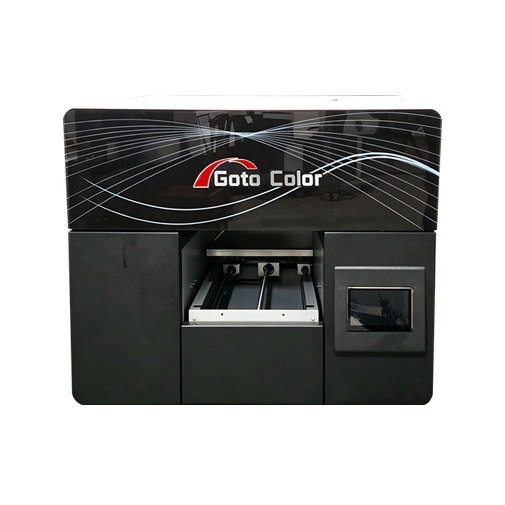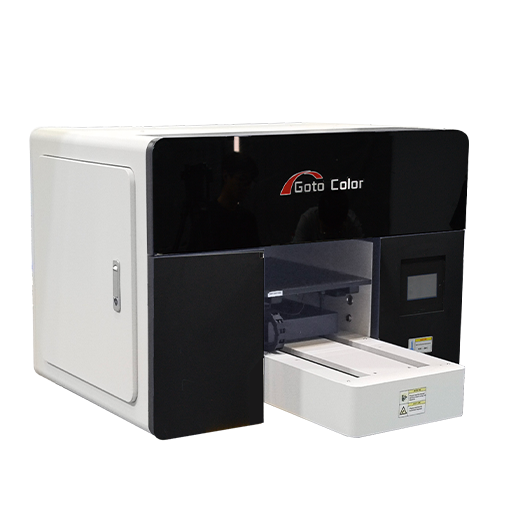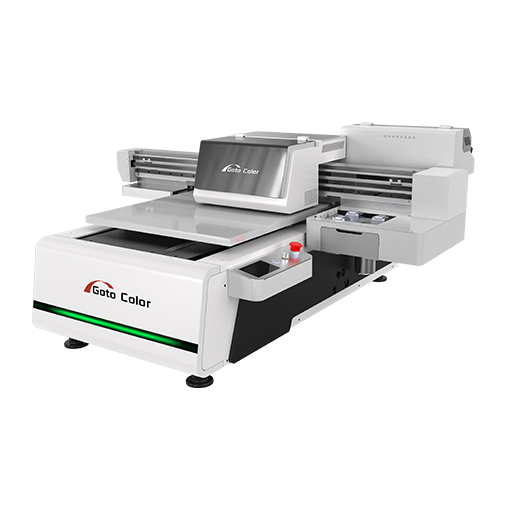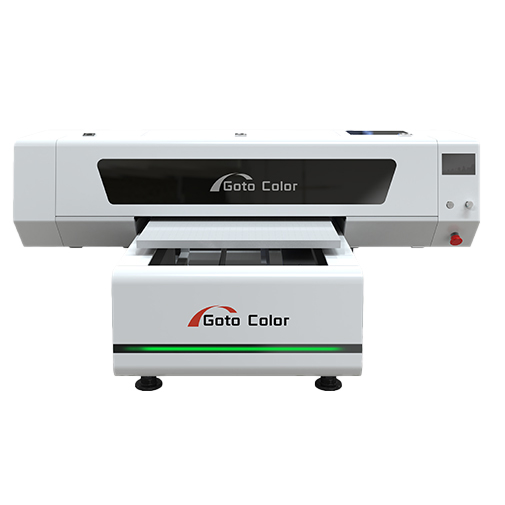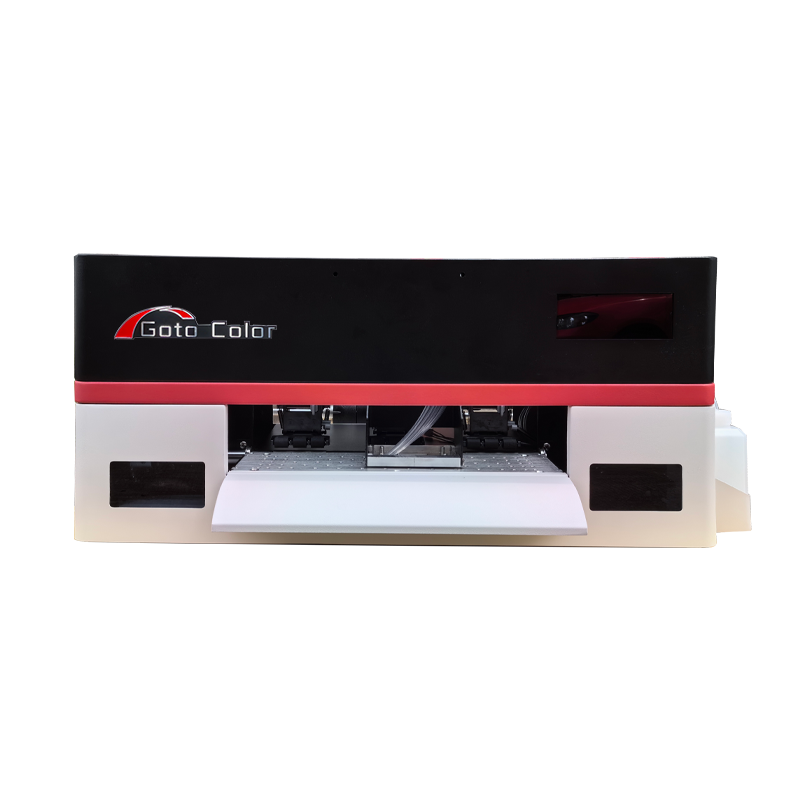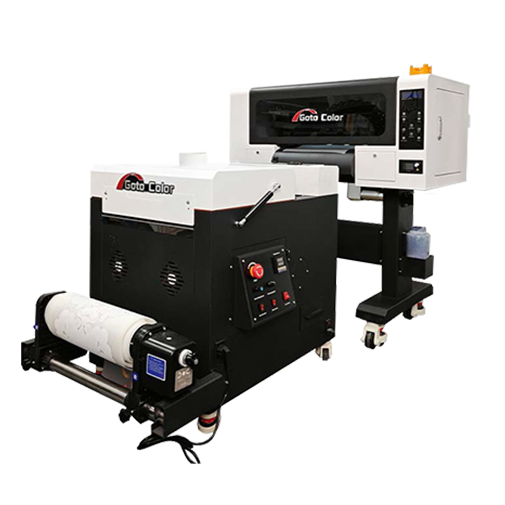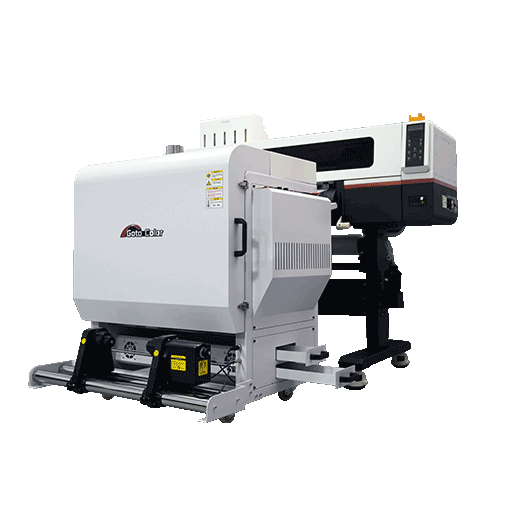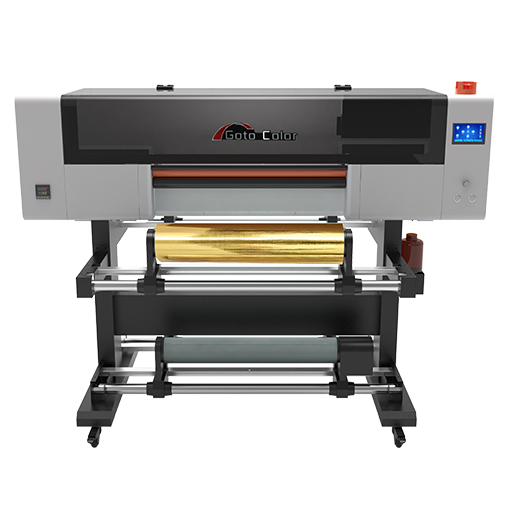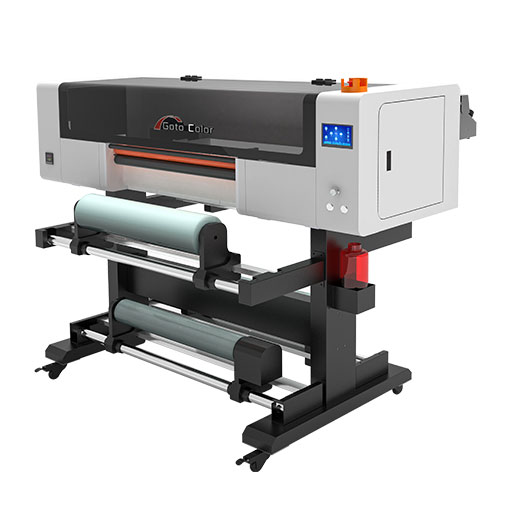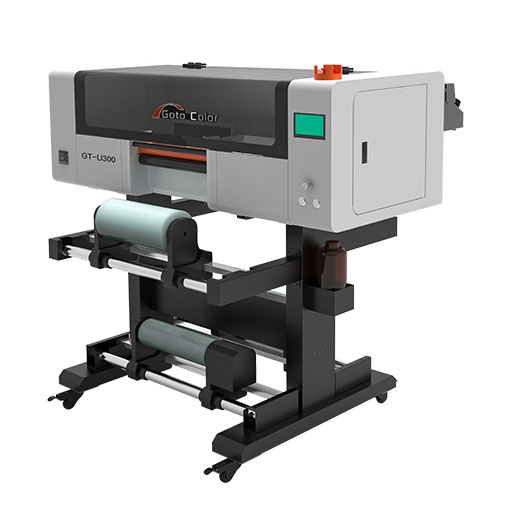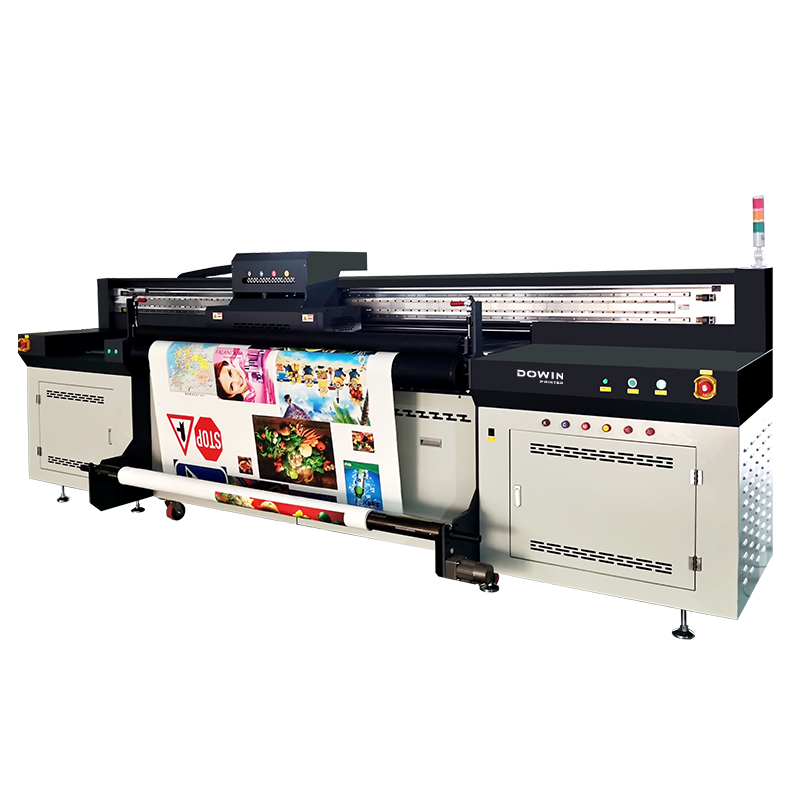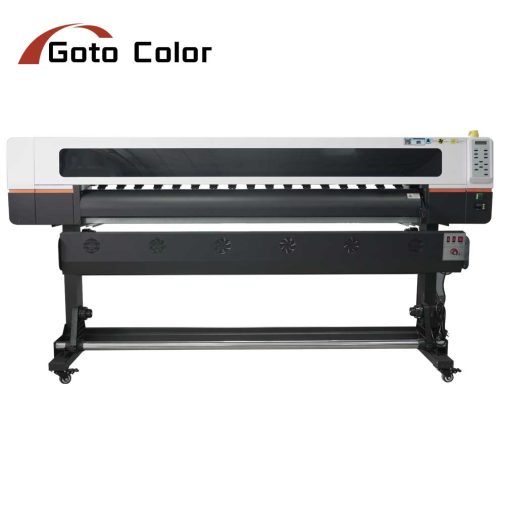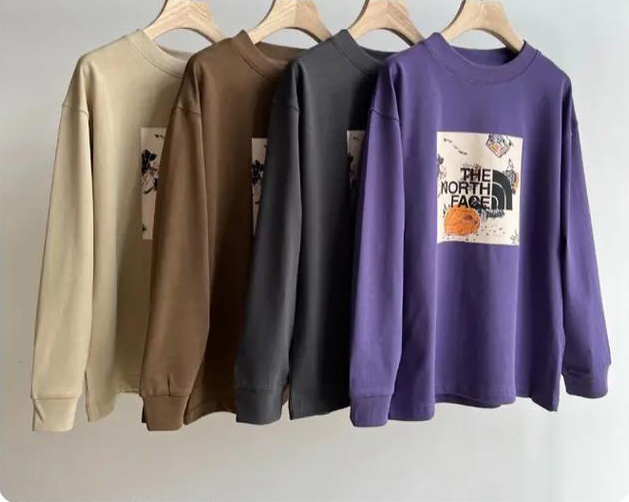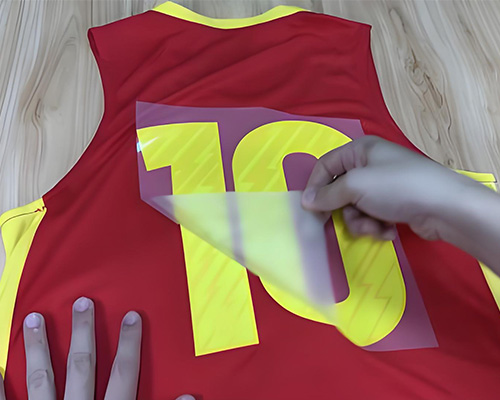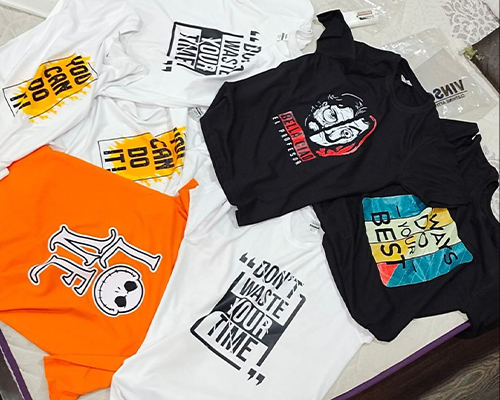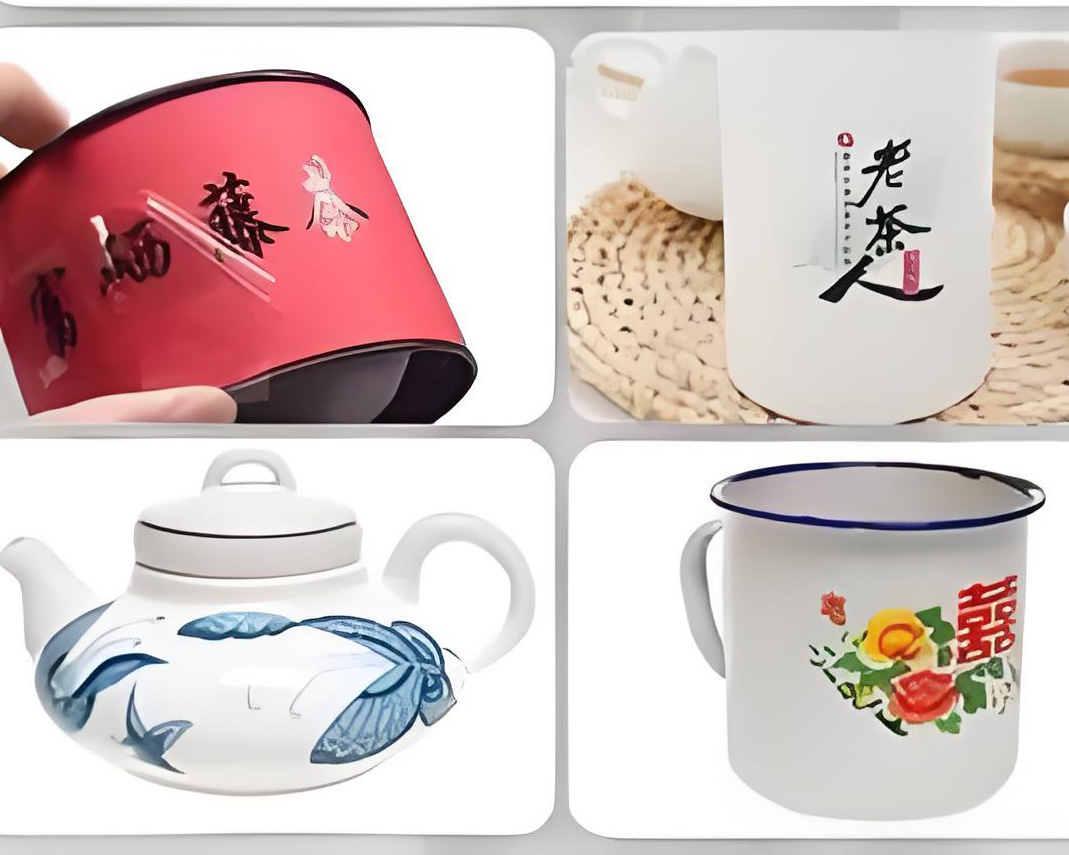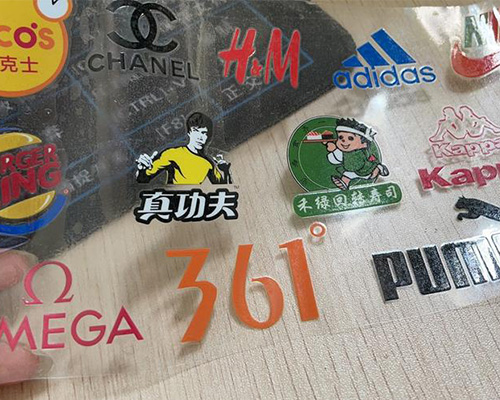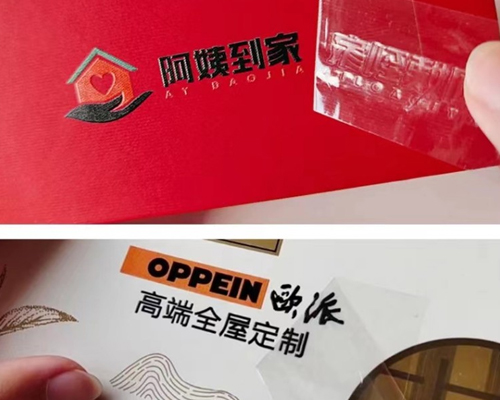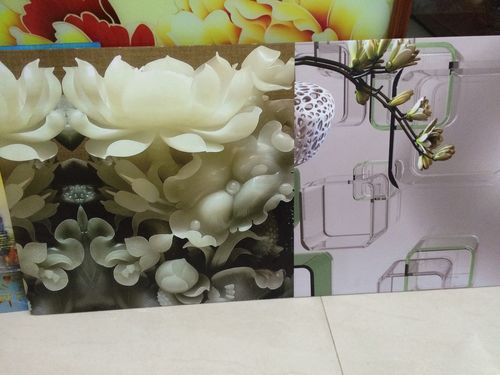
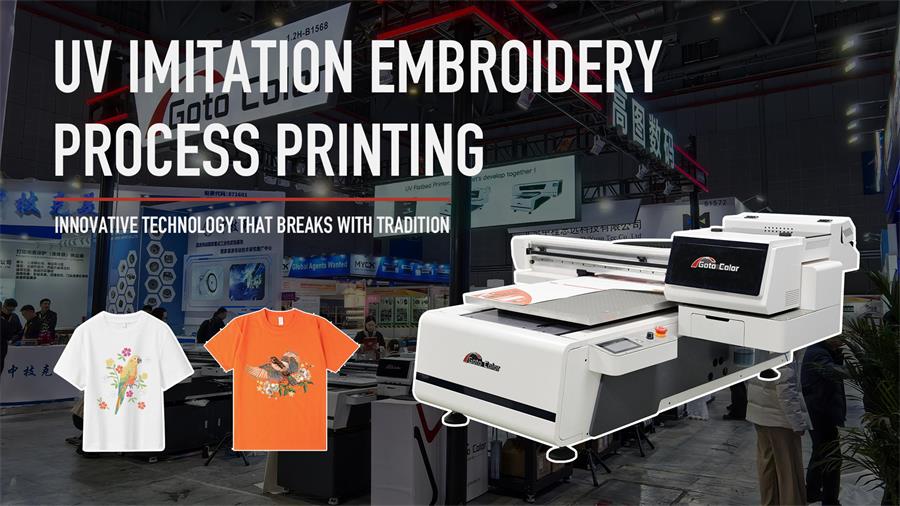
UV flatbed printers are widely used for printing on rigid and semi-rigid materials such as acrylic, wood, glass, metal, and plastic. However, when it comes to clothing, many users ask whether a UV flatbed printer can directly print logos on fabric. The answer is yes—but with important limitations and application considerations.
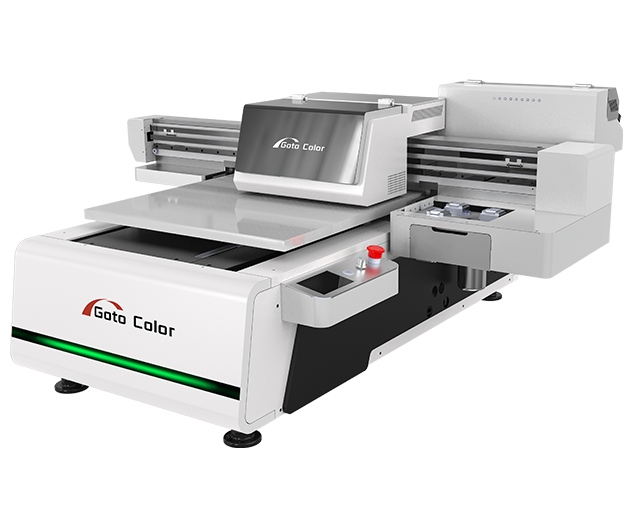
A UV flatbed printer uses ultraviolet light to instantly cure ink as it is printed onto a surface. The ink sits on top of the material and hardens immediately, creating a durable and high-resolution print.
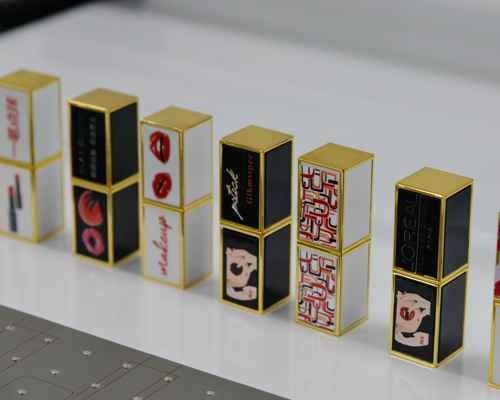
This process works best on:
Because of this printing mechanism, fabric behaves differently compared to rigid materials.
Technically, UV flatbed printers can print logos on clothing, but direct application on wearable fabric is not always ideal.
There are two main approaches:
Even with limitations, UV printing offers several benefits for logo customization:
This makes it especially popular for promotional products and custom branding.
When printing directly on clothing, several challenges exist:
Because of these issues, UV flatbed printing is rarely used as the main method for large-scale apparel manufacturing.
For garment production, other technologies are often more suitable:
Among these, UV DTF is increasingly popular because it combines UV print quality with better transfer flexibility.
UV flatbed printers are most effective for clothing-related branding in these scenarios:
These applications do not require heavy washing durability like daily wear clothing.
A UV flatbed printer can print logos on clothing, but it is not always the most practical or durable solution for direct fabric printing. While it offers excellent detail and color quality, its best performance in apparel applications is achieved through UV DTF transfer methods or hybrid workflows.
For businesses focused on garment production, combining UV printing with transfer techniques provides a more reliable and scalable solution for high-quality clothing customization.