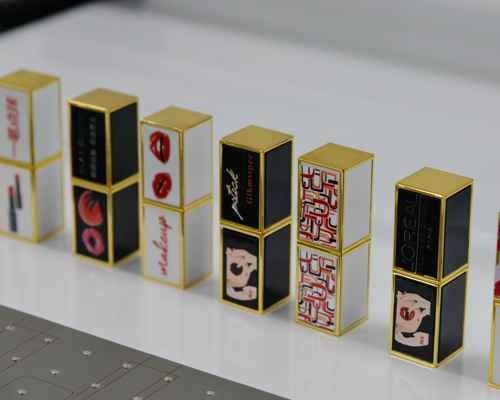
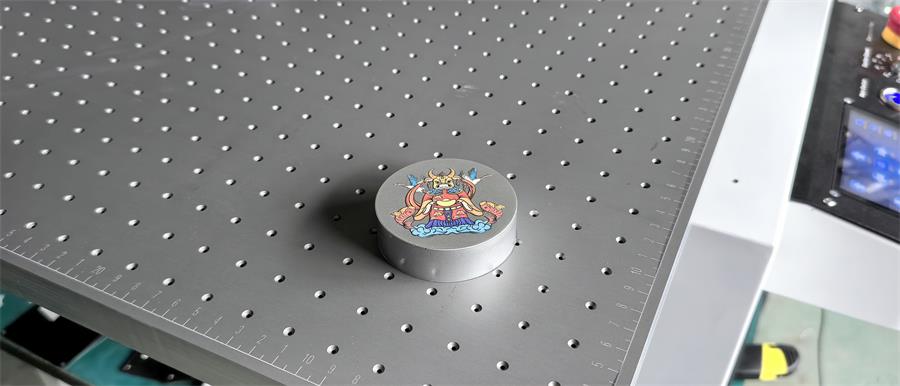
UV printing on metal surfaces requires precise parameter control to ensure strong adhesion, high durability, and sharp image quality. Since metal is a non-porous material, proper settings and surface preparation are critical to achieving stable and long-lasting results.
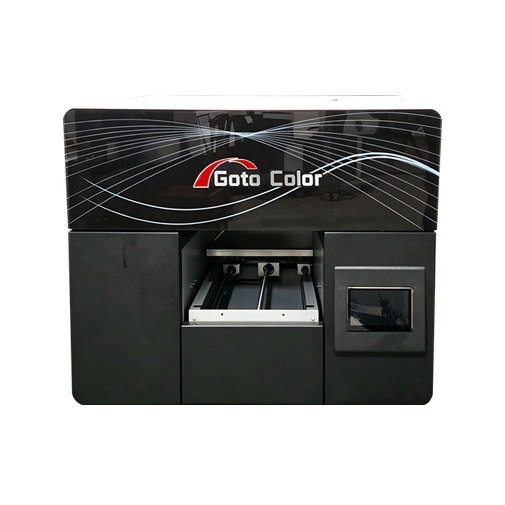
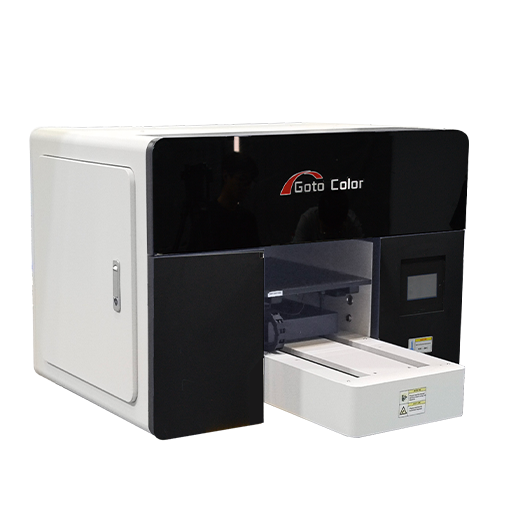
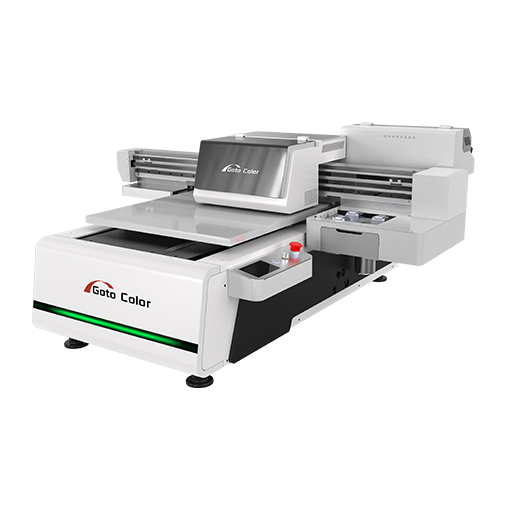
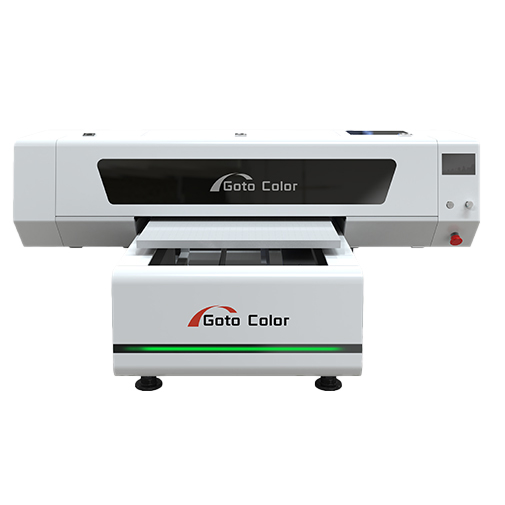
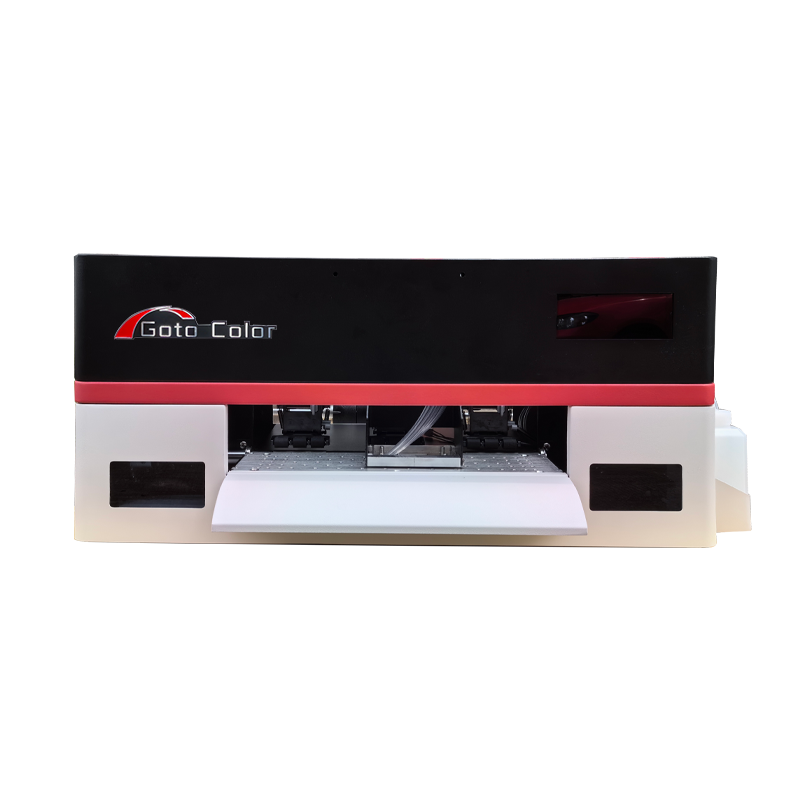
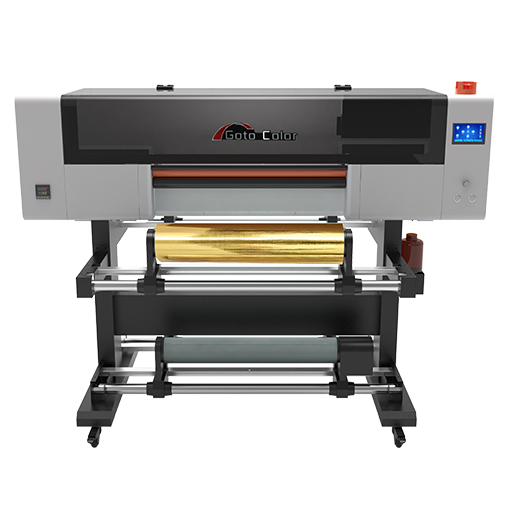
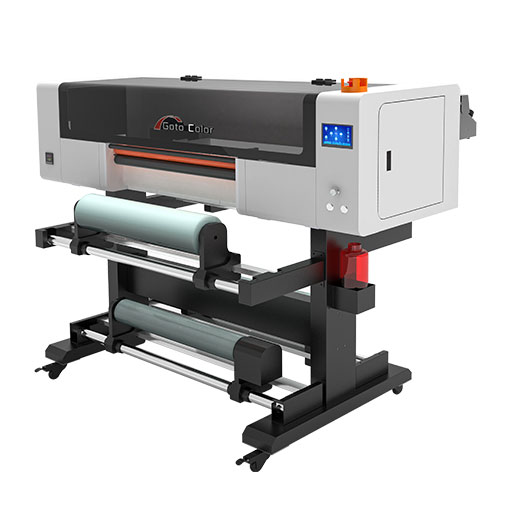
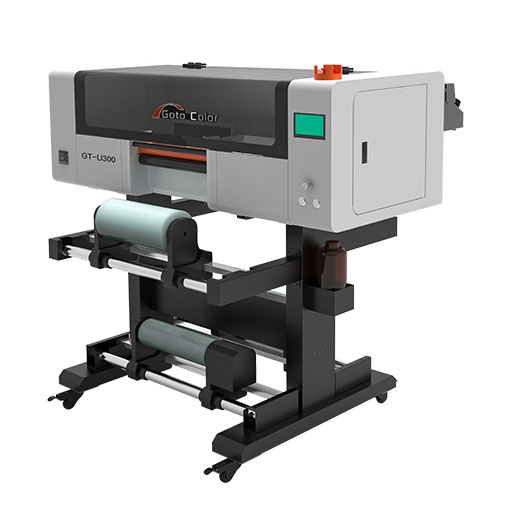
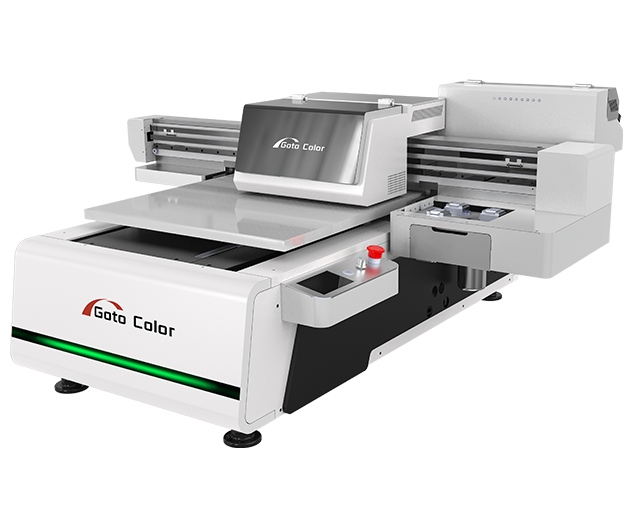
Small-format systems such as a UV Flatbed Printer or compact models like the GT 6090 UV Printer are commonly used for printing on aluminum, stainless steel, and coated metal products.
Before adjusting printer settings, metal surfaces must be properly prepared.
Recommended steps:
For bare metal, primer significantly improves ink adhesion and scratch resistance.
For metal printing, resolution depends on product type:
Higher resolution improves detail but slightly reduces printing speed.
UV printing on metal usually requires multi-layer printing:
White ink is essential for dark or transparent metal surfaces to ensure color visibility.
Proper curing ensures durability and scratch resistance.
Recommended settings:
Over-curing can cause brittleness, while under-curing reduces adhesion.
Speed must balance quality and adhesion:
For best results on metal, 6–12 pass printing is commonly used depending on model capability.
To improve bonding strength:
Cause: insufficient surface cleaning or missing primer
Solution: clean thoroughly and apply adhesion layer
Cause: weak white ink layer or under-curing
Solution: increase white ink density and adjust UV power
Cause: improper curing or incompatible coating
Solution: recalibrate UV lamp and verify surface compatibility
For consistent results in production environments:
Machines like a UV Flatbed Printer provide stable control systems that help maintain repeatable output quality.
The best UV printing results on metal surfaces depend on a combination of proper surface preparation, correct white ink usage, controlled UV curing, and optimized resolution settings. Since metal is non-porous, adhesion is the most critical factor in ensuring durability and print quality.
By using a well-configured GT 6090 UV Printer and following correct process settings, businesses can achieve high-quality, scratch-resistant, and visually sharp metal prints suitable for signage, industrial labeling, and custom products.