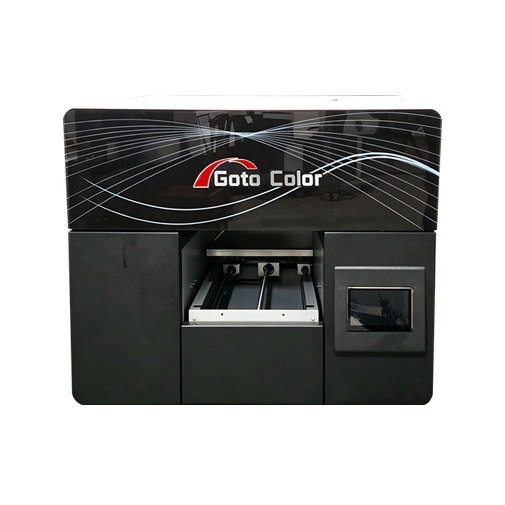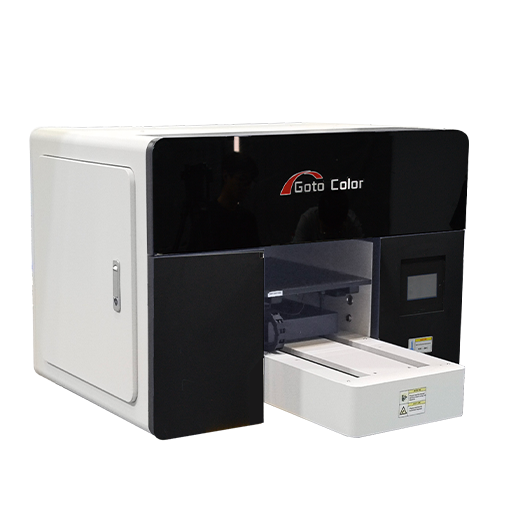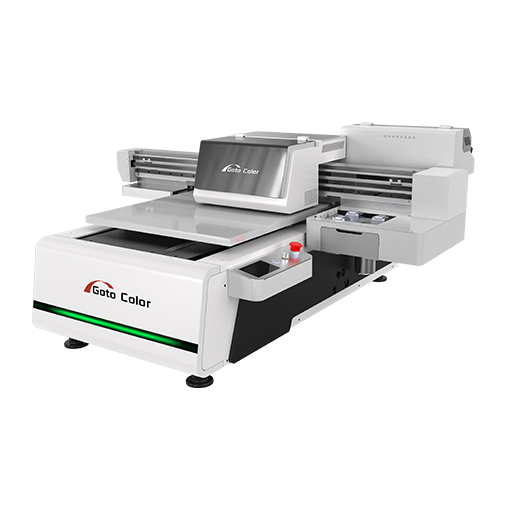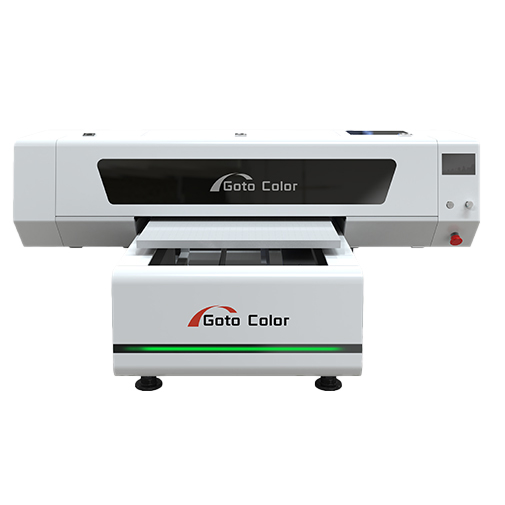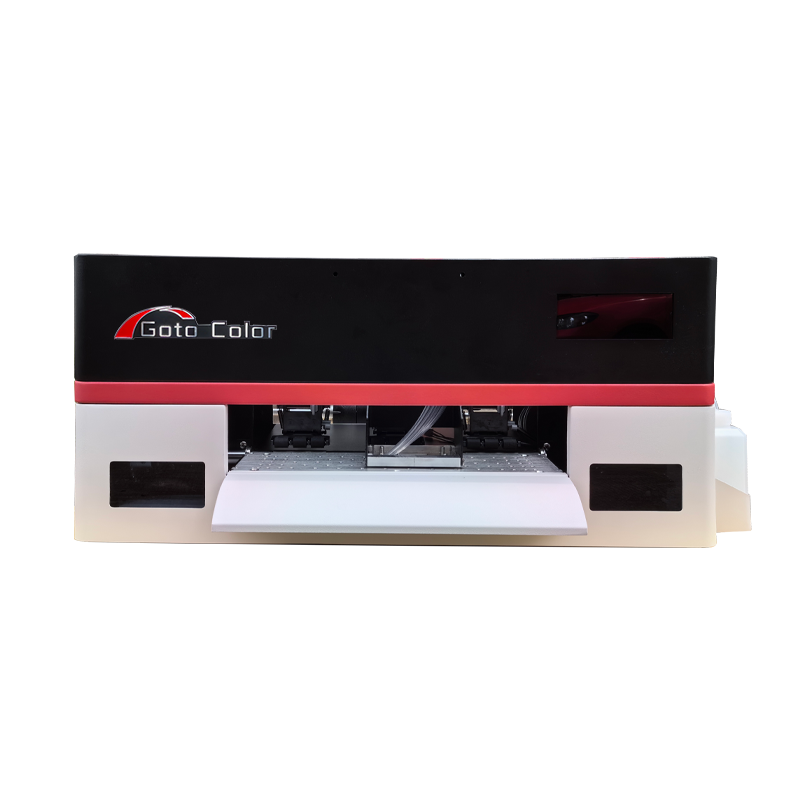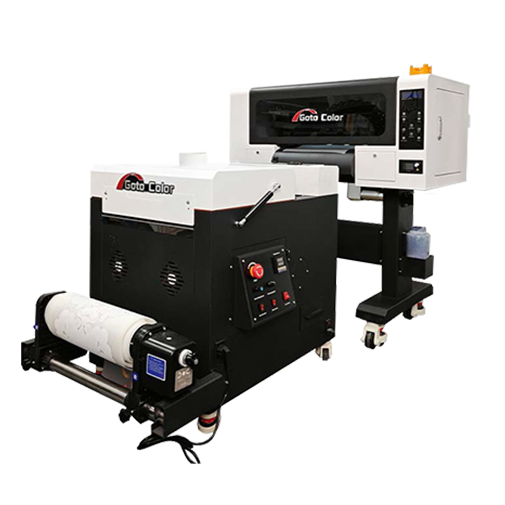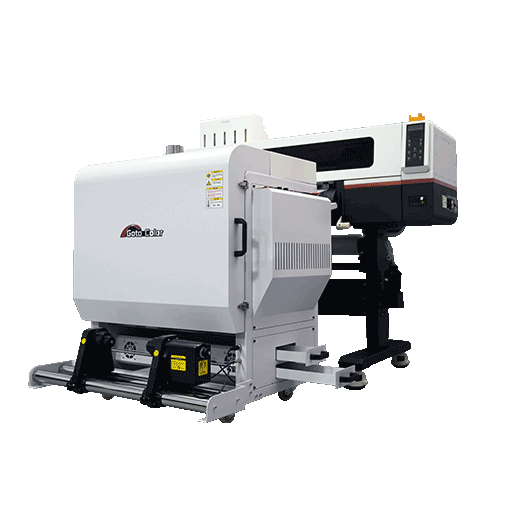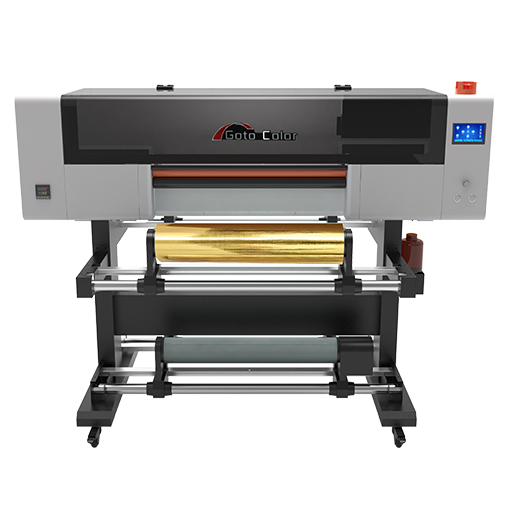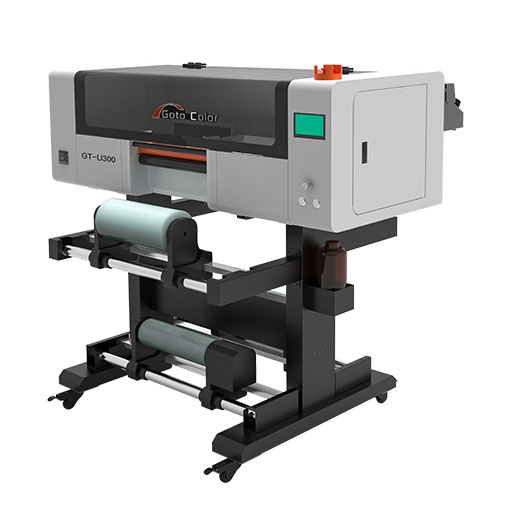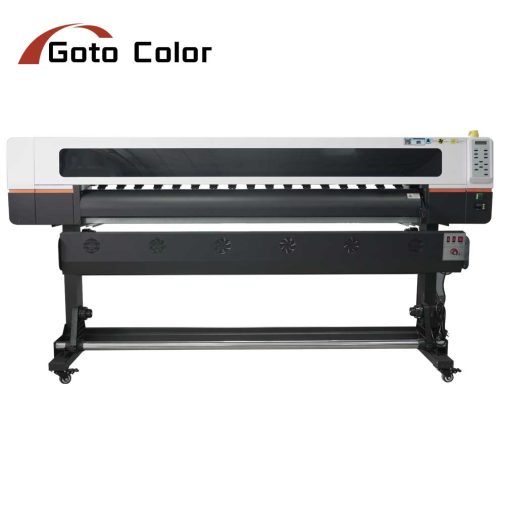
The rise of customization has reshaped the printing industry. What used to be dominated by large-scale production is now driven by small-batch, high-margin personalization. In this shift, one category of equipment is quietly becoming the backbone of micro-manufacturing: the A3 UV DTF printer powered by I3200 printhead technology.
But most articles treat it as just another machine. That’s a mistake.
This is not just a printer—it’s a business model enabler.
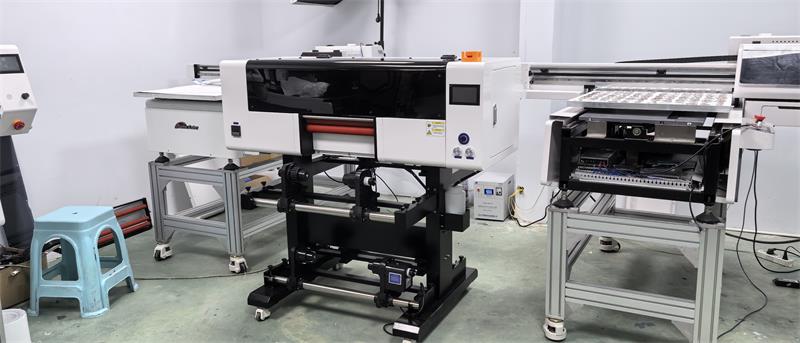
At its core, an A3 UV DTF printer combines three systems into one:
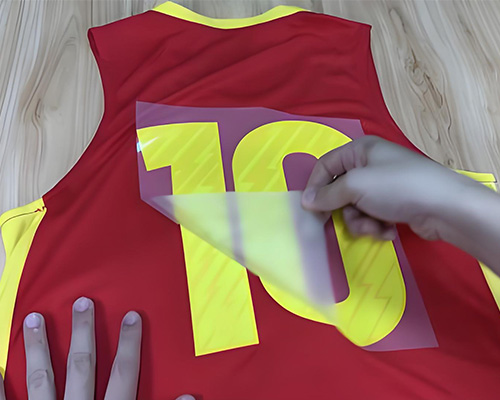
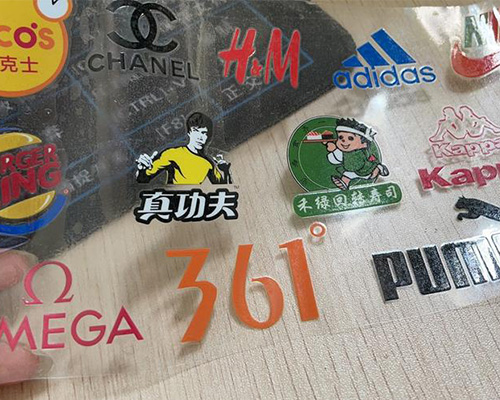
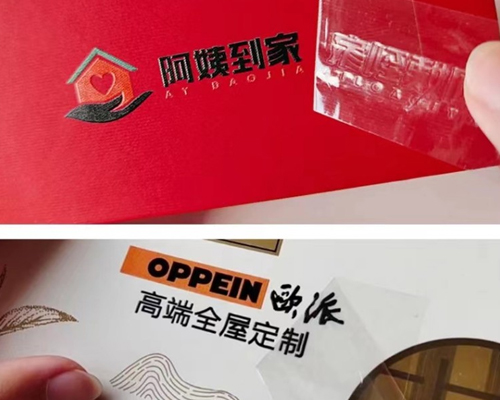
Instead of printing directly onto objects, the design is printed onto a special release film and then transferred onto surfaces like metal, glass, plastic, or wood.
This seemingly simple workflow unlocks something powerful:
You are no longer limited by object shape, size, or flatness.
The I3200 printhead is not just an upgrade—it represents a shift in output capability.
In practical terms:
Compared to older heads, it offers both speed and stability, often improving efficiency by 15–20% in real workflows (industry consensus from equipment comparisons).
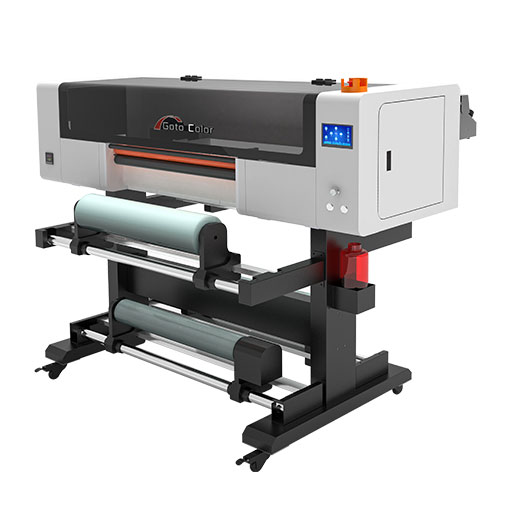
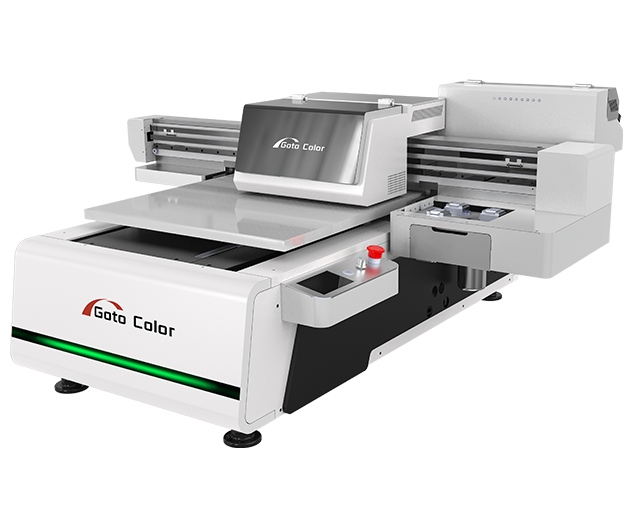
Modern A3 UV DTF systems are designed as compact, integrated units, typically including:
This integration eliminates the need for multiple machines, reducing operational complexity while maintaining production quality .
Let’s step outside the machine itself.
The global shift toward on-demand production is driving demand for UV DTF:
UV DTF printers fit perfectly because they:
This is why small-format UV systems are increasingly used by:
This is where most people underestimate the technology.
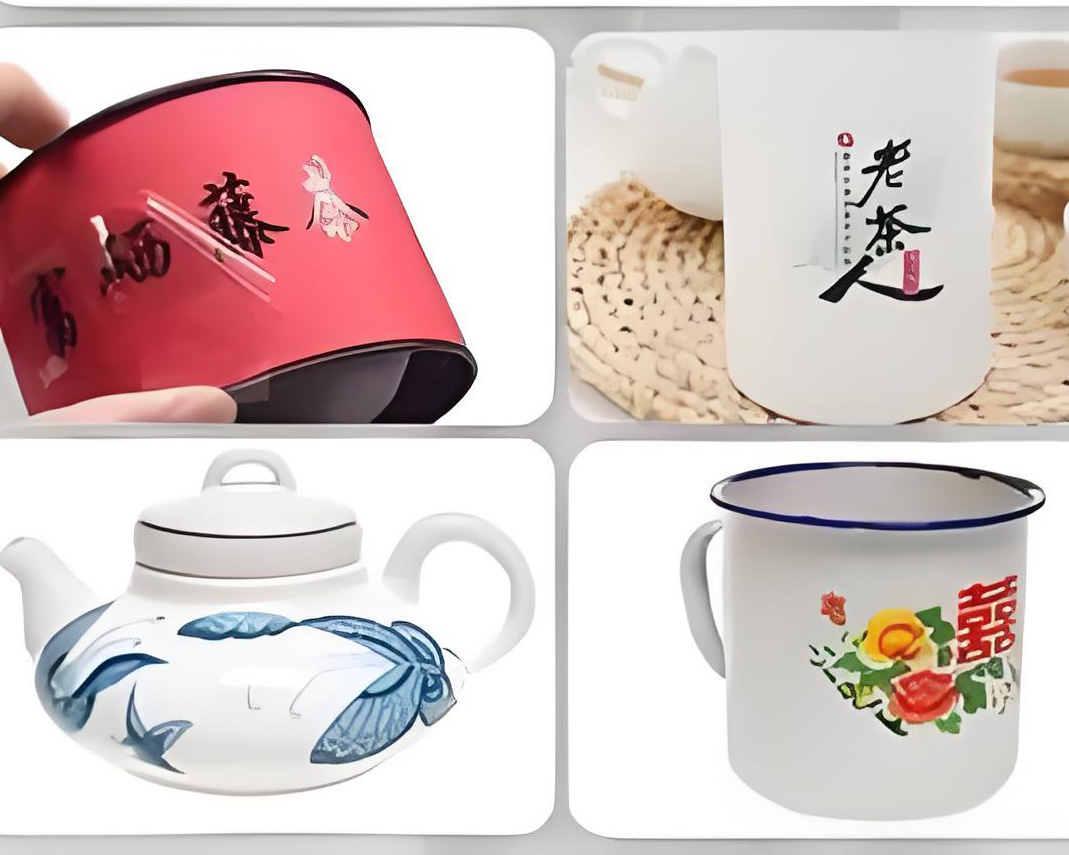
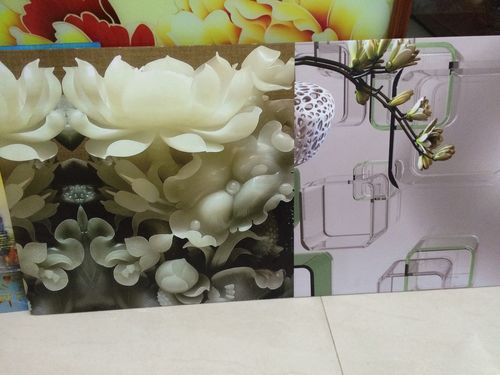
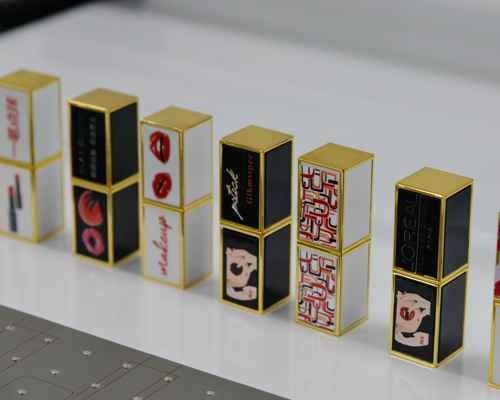
UV DTF transfers can be applied to:
The key advantage: no direct printing limitations.
Unlike flatbed printers, UV DTF:
This expands production into:
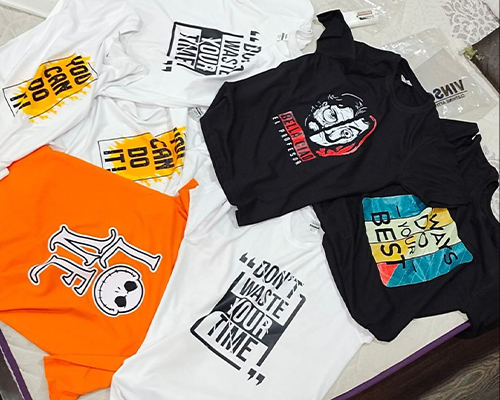
Typical applications include:
One machine can support hundreds of product categories, making it ideal for flexible business models .
Let’s break the illusion.
Industry feedback often highlights:
This is not a “plug-and-play” device—it’s a precision system.
Most buyers think:
“I need a printer to make stickers.”
That mindset is outdated.
A modern UV DTF system is:
Instead of producing goods, you produce transfer-ready assets.
This decouples production from application.
And that’s the real revolution.
Traditional printing:
UV DTF workflow:
Even with moderate speed (e.g., small-format output under 1–4 m²/h depending on settings ), the profit model shifts from volume to value per unit.
The next stage of UV DTF evolution is already visible:
The technology is moving from:
“Printing tool” → “Digital manufacturing system”
Everyone asks:
“Is this printer good?”
That’s the wrong question.
The real question is:
“Does this machine align with the future of production?”
Because UV DTF is not just about printing—it’s about:
And in that context, small-format UV DTF printers are not entry-level machines.
They are entry points into a new industrial logic.