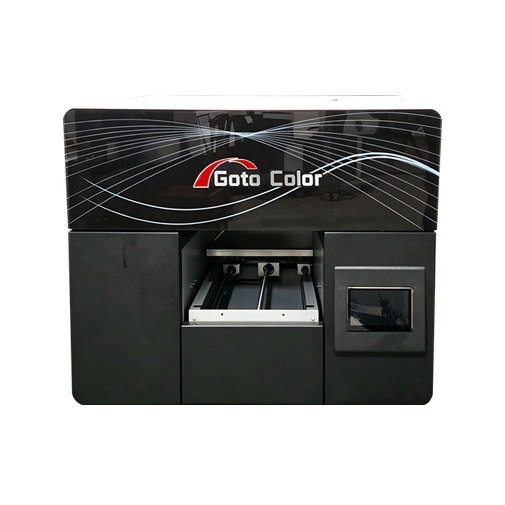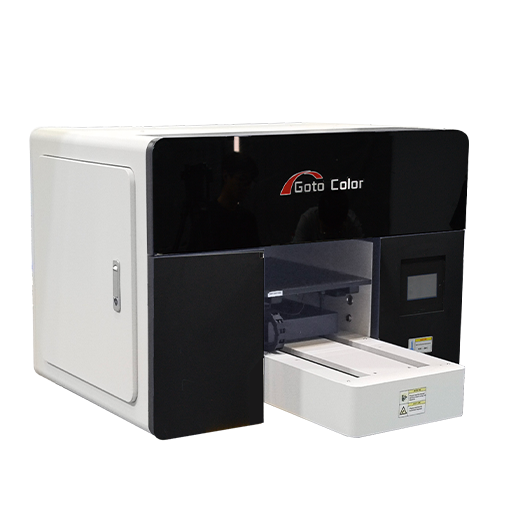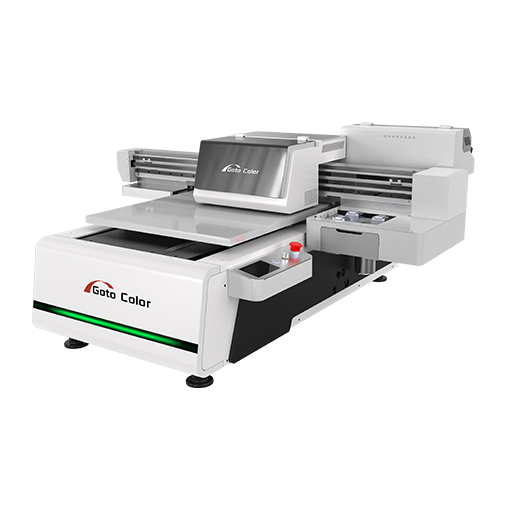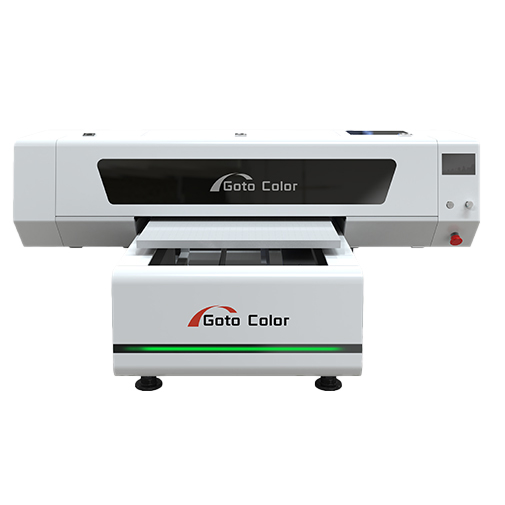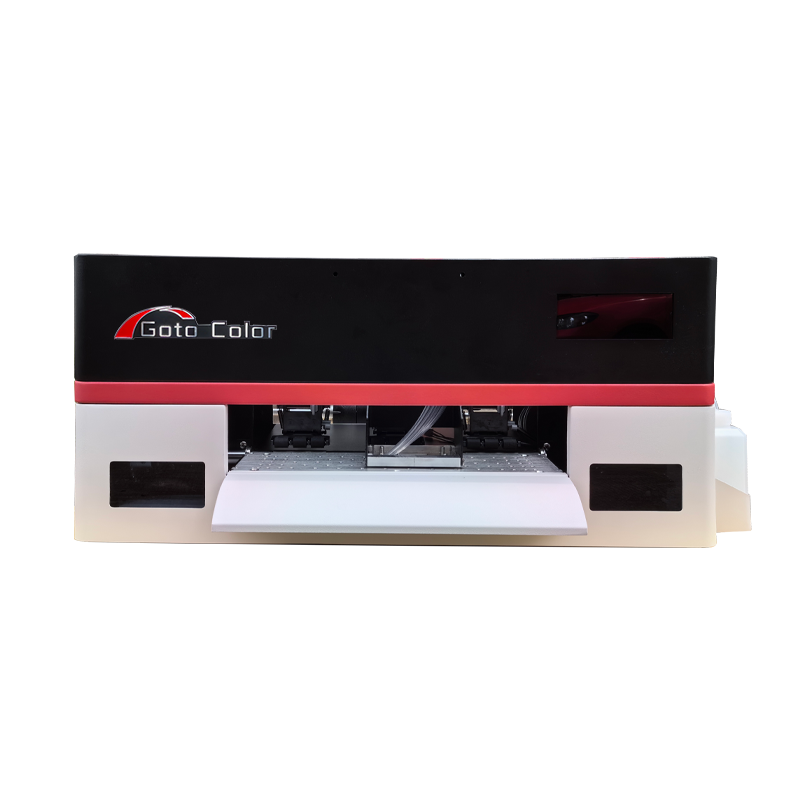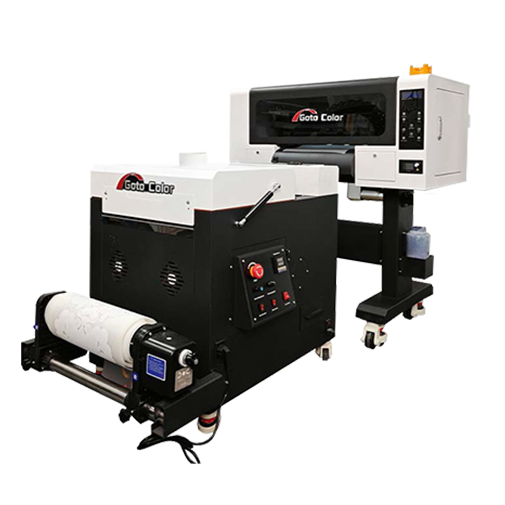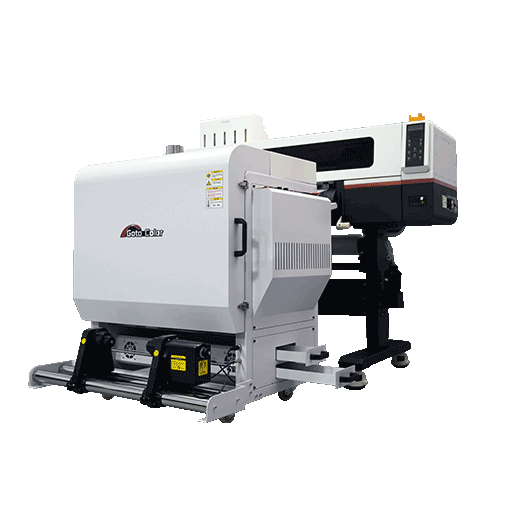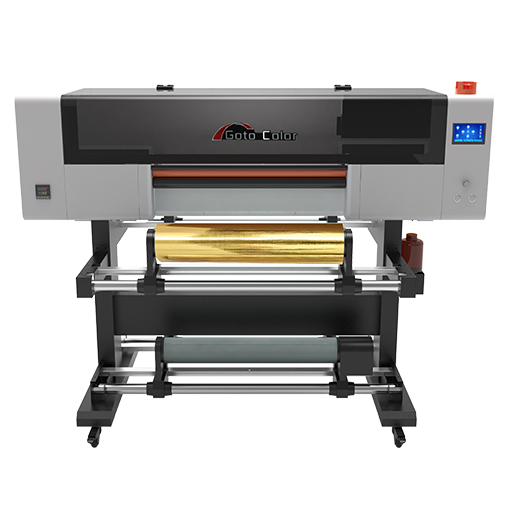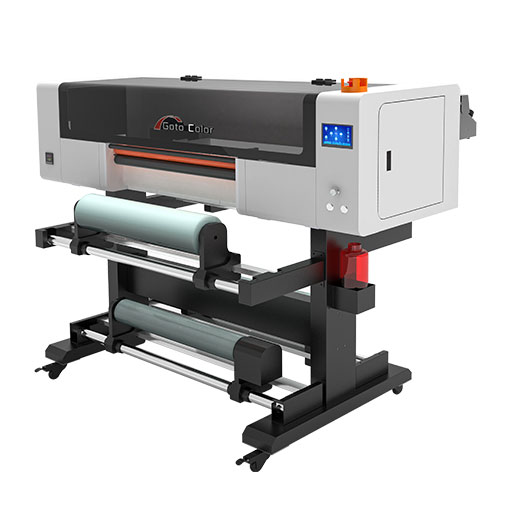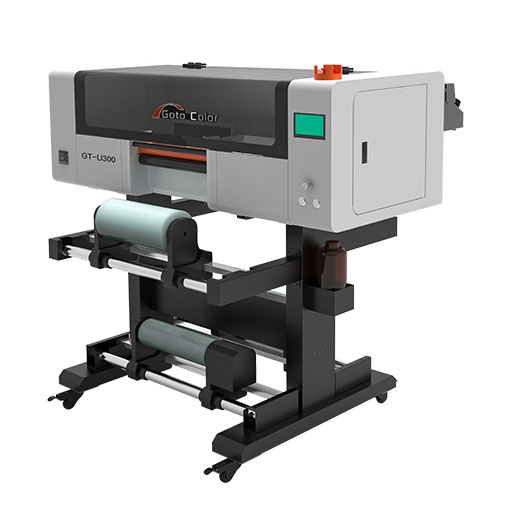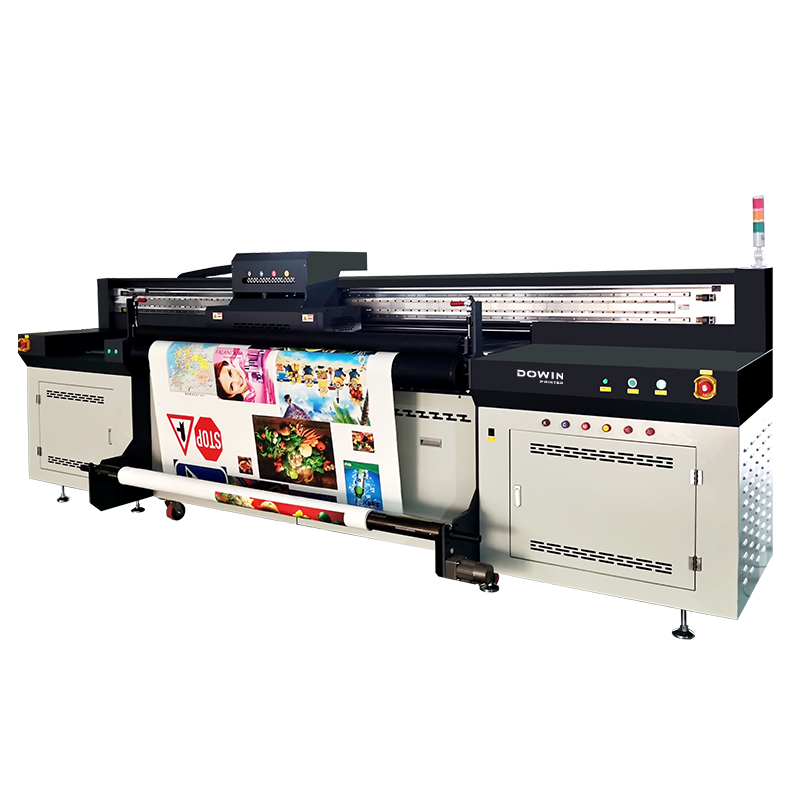
The rise of visual positioning UV printers is often explained as a “technological improvement.” That explanation is too shallow.
What is actually happening is a deeper industrial shift:
printing is moving from manual alignment to intelligent perception.
In a world driven by customization, short-run production, and speed, traditional UV printing methods are no longer just inefficient—they are incompatible with modern demand.
At the core of this transformation lies machine vision.
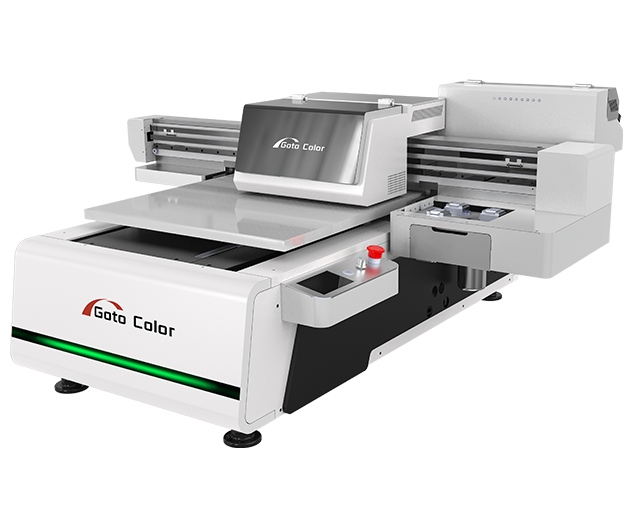
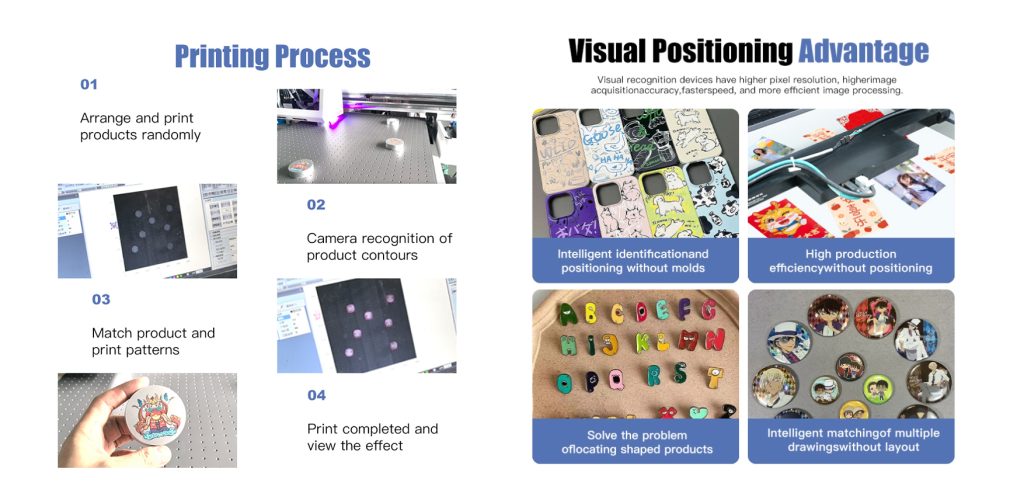
Visual positioning UV printers integrate high-resolution cameras and image recognition algorithms to identify the exact position, angle, and contour of objects in real time, enabling precise alignment without manual intervention.
Traditional logic:
New logic:
Insight:
This reverses decades of manufacturing thinking. Humans no longer “prepare” the process—the system interprets reality directly.
Fixtures, jigs, and molds have long been considered necessary in UV printing. They are also inefficient.
Visual positioning eliminates them entirely:
Industry Reality:
Fixtures are hidden costs—design time, storage, wear, and inflexibility. Removing them is not just convenience; it is structural cost reduction.
Speed is not just about faster printing—it’s about workflow compression.
But the real breakthrough is in waste reduction:
Contrarian View:
Most companies believe they have a “printing cost problem.”
In reality, they have a misalignment problem disguised as cost.
Printing on small or irregular items has always been a bottleneck.
Visual positioning systems solve this by:
This unlocks entire markets:
Key Insight:
The future of printing is not large-format dominance—it is mass micro-customization.
Traditional UV printing:
Visual positioning systems:
Perspective:
The real disruption is not cost reduction—it is role redefinition.
Labor is no longer physical; it becomes supervisory and digital.
Global manufacturing trends are converging around three forces:
Visual positioning UV printers align perfectly with these trends:
Big Data Perspective:
The surge in personalized product demand is not a trend—it is a permanent structural shift. Equipment that cannot adapt dynamically will be phased out.
Despite clear advantages, some businesses hesitate to adopt this technology.
Why?
Critical View:
The resistance is not technological—it is psychological.
Industries rarely fail because of missing tools. They fail because they refuse to abandon outdated logic.
Visual positioning UV printers are popular not because they are better machines, but because they align with a new industrial reality:
Final Thought:
This technology does not improve printing—it redefines it.
The real question is no longer:
“Should you upgrade to visual positioning?”
But rather:
How long can your business survive without it?