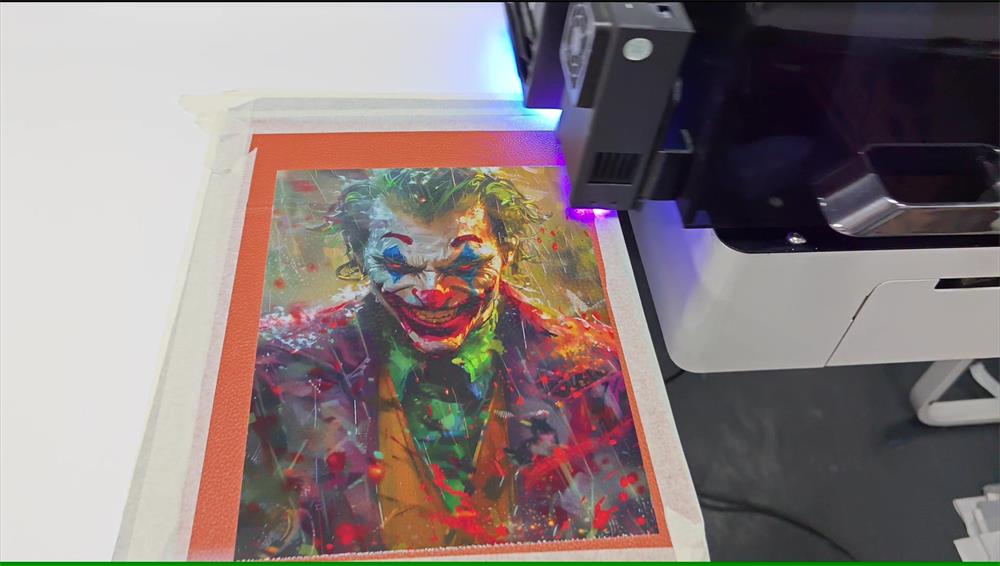

Acrylic is one of the most popular materials for modern signage, displays, promotional products, and interior decoration. Its smooth surface, excellent clarity, and lightweight structure make it suitable for both commercial and creative applications. However, producing high-quality graphics on acrylic requires a printing method that can deliver sharp details, vibrant colors, and strong adhesion.
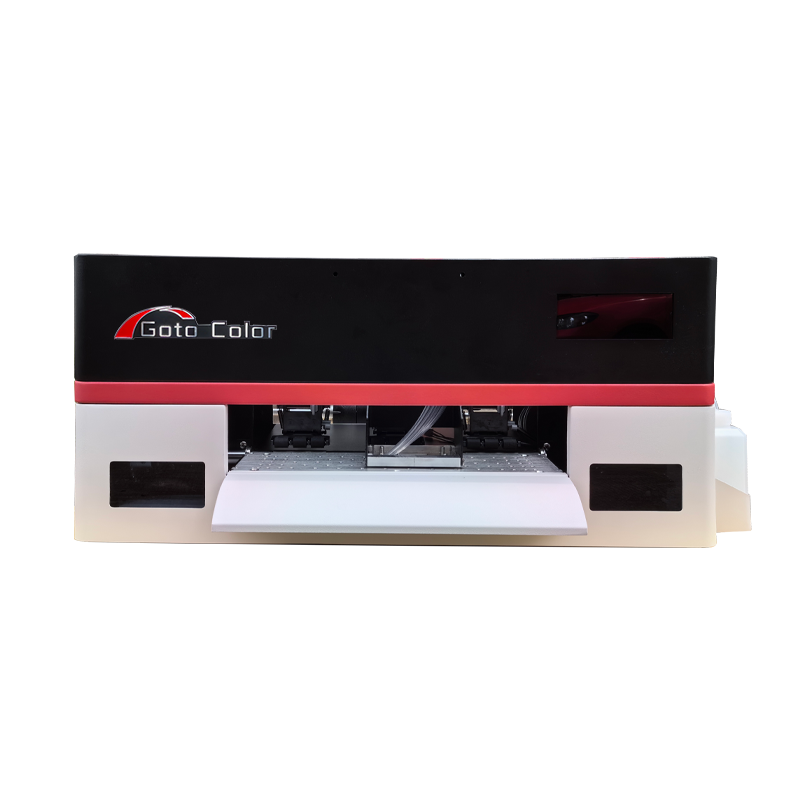
UV flatbed printing on acrylic offers an efficient solution by printing directly onto acrylic sheets and products. Unlike traditional printing methods that often require additional films, transfers, or mounting steps, a UV flatbed printer can apply UV-curable ink directly to the surface and cure it immediately with UV light.
This makes UV printing particularly useful for custom acrylic signs, branded displays, retail graphics, nameplates, awards, decorative panels, and other personalized products.
UV flatbed printing is a digital printing process in which UV-curable ink is deposited directly onto an acrylic surface. UV lamps mounted on the printer cure the ink almost immediately after it is printed.
The process generally includes:
Because the acrylic remains flat and stable during printing, UV flatbed printers can produce accurate graphics across a wide range of acrylic sizes and thicknesses.
The main advantage of direct-to-acrylic UV printing is that it combines customization, visual quality, and production efficiency.
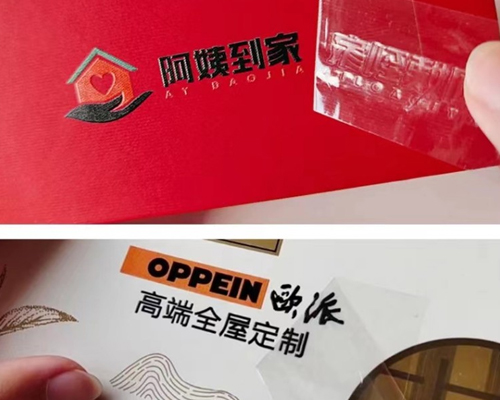
UV printers can produce high-resolution images, logos, text, patterns, and photographs directly on acrylic. CMYK UV inks provide a broad range of colors, while white ink can improve opacity and contrast.
This is especially important for acrylic signs where branding and visual presentation are key requirements.
One of the biggest advantages of UV printing on clear acrylic is the ability to print white ink.
Without a white layer, colors printed on transparent acrylic can appear translucent or less saturated. A white ink layer can be used as a background beneath CMYK graphics, making colors appear more solid and vivid.
Depending on the design, the printer can create:
This gives designers much more control over the final appearance.
Traditional acrylic signage may involve printing graphics separately and then applying vinyl, film, or other media to the acrylic.
A UV flatbed printer can print directly onto the material, helping reduce additional mounting and laminating processes. This can be especially useful for short runs and customized orders.
Acrylic products are frequently customized for individual businesses, events, stores, exhibitions, and customers.
UV digital printing does not require traditional printing plates, making it practical for:
This flexibility allows sign makers and printing businesses to accept more customized orders without setting up a separate production process for every design.
UV flatbed printing is suitable for many acrylic products and applications.
Businesses can print logos, contact information, opening hours, and brand graphics directly onto acrylic panels.
Clear acrylic combined with white ink can create a premium appearance for reception signs, office signage, and wall-mounted branding.
Retail stores can use printed acrylic for product displays, shelf signs, promotional boards, and point-of-sale materials.
High-quality graphics can help brands maintain consistent visual identity throughout a store.
Restaurants, cafés, bars, and hotels can use UV-printed acrylic for menu boards and promotional displays. The flat surface also makes the material easy to clean.
UV printing can add names, logos, dates, photographs, and decorative elements to acrylic awards and recognition plaques.
This is particularly useful when each product requires different text or graphics.
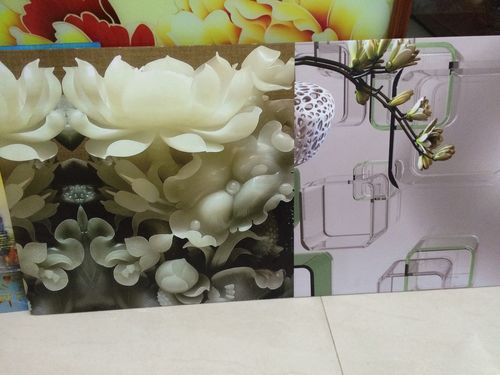
Interior designers and manufacturers can use UV printing to create decorative patterns, photographs, artwork, and textured visual effects on acrylic panels.
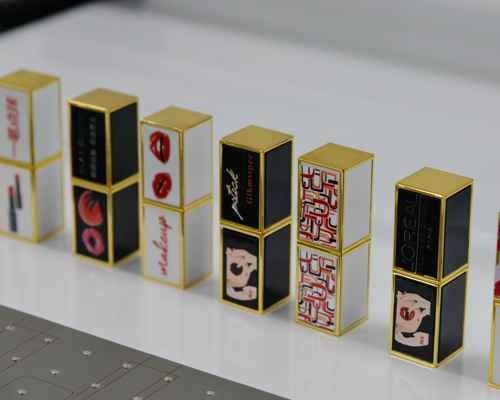
Smaller acrylic products such as keychains, nameplates, ornaments, displays, and branded merchandise can also be customized using UV printing.
Yes. Clear acrylic is one of the most interesting materials for UV flatbed printing because it allows designers to create transparent and layered visual effects.
The key consideration is white ink.
For example, a printer can first print white ink and then print CMYK colors over it. This creates a more opaque and vibrant graphic.
Alternatively, printing CMYK without white can preserve part of the transparent appearance of the acrylic. The correct method depends on the desired design.
For double-sided acrylic signs, layered printing can also be used to create depth. A background or white layer can be printed on the reverse side, while the main graphics remain visible from the front.
Both UV printing and vinyl application can be used for acrylic signage, but they have different production characteristics.
| Feature | UV Printing | Vinyl Application |
|---|---|---|
| Printing method | Direct-to-substrate | Printed separately |
| White ink | Available on suitable UV printers | Depends on vinyl |
| Customization | Excellent | Good |
| Short runs | Very suitable | Suitable |
| Variable data | Easy | More preparation required |
| Production steps | Fewer | More |
| Layered effects | Highly flexible | More limited |
| Finishing | Often minimal | May require application/lamination |
For businesses producing customized acrylic products, direct UV printing can simplify the workflow while providing more design possibilities.
Although acrylic is relatively printer-friendly, surface preparation and correct machine settings are important.
Dust, fingerprints, oil, and other contaminants can affect ink adhesion and print quality. Clean the acrylic before printing and avoid touching the print area after preparation.
Different acrylic sheets can have different surface characteristics. Before starting large production runs, perform an adhesion test using the actual acrylic material and selected ink.
Print resolution, ink volume, curing power, print speed, and pass mode can affect the final result.
For detailed graphics and photographs, a higher-quality print mode may be preferred. For large signs where production speed is more important, a faster mode may be appropriate.
White ink is particularly important for transparent acrylic. The correct white ink density and layer order can significantly influence color saturation and opacity.
A flatbed printer should have sufficient print clearance for the acrylic products being produced. For thicker acrylic panels or irregular products, check the printer’s maximum material height before purchasing equipment.
UV-curable ink forms a cured ink layer on the acrylic surface. The durability of the finished product depends on several factors, including the acrylic material, ink system, surface preparation, curing conditions, and whether the product is intended for indoor or outdoor use.
For demanding applications, manufacturers should test:
For outdoor acrylic signage, choosing a suitable UV ink system and conducting application-specific testing is particularly important.
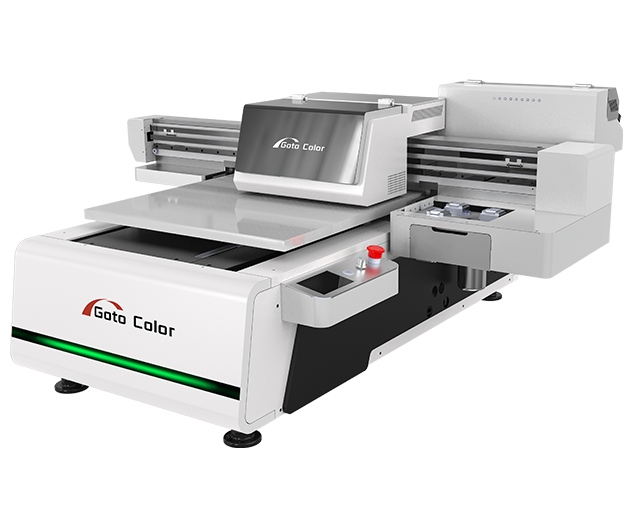
When selecting a UV flatbed printer for acrylic, look beyond maximum printing size. The printer should match the type of acrylic products and production volume you expect to handle.
Important factors include:
Choose a bed size based on your typical acrylic sheet dimensions. A larger flatbed can reduce the need to cut large sheets into smaller pieces before printing.
Printhead selection affects print quality, productivity, ink drop size, and overall operating characteristics. Choose a configuration appropriate for your expected production volume.
If you plan to print on clear acrylic, white ink should be a major consideration. A reliable white ink circulation system can also help maintain stable production.
Check the maximum printable material thickness. This is particularly important if you want to print acrylic blocks, plaques, displays, or other three-dimensional products.
Good RIP software provides control over color management, white ink layers, print modes, and other important parameters.
A printer for a sign shop producing dozens of acrylic panels per day will have different requirements from a machine used mainly for customized samples and small orders.
UV printing technology allows businesses to expand beyond conventional flat signs.
Common applications include:
Because digital UV printing supports customized graphics without traditional plate-making, it is well suited to businesses that need flexible production.
Yes. UV flatbed printers are designed to print directly onto rigid substrates such as acrylic, provided the material and ink system are compatible.
Not always. Some acrylic surfaces provide sufficient ink adhesion, while others may benefit from primer or additional surface treatment. Always test the specific acrylic before mass production.
Yes. Transparent acrylic can be printed with CMYK, white ink, or layered combinations. White ink is particularly useful when opaque and vibrant colors are required.
Yes. A UV flatbed printer can print photographs directly onto acrylic, making it suitable for photo panels, decorative displays, personalized gifts, and interior graphics.
It depends on the application. UV printing is particularly advantageous for direct printing, customization, white ink, short runs, and layered visual effects. Vinyl can still be practical for certain large-format or installation-based applications.
UV flatbed printing on acrylic provides a flexible way to produce high-quality signs, displays, plaques, promotional products, and decorative panels. Direct printing eliminates many of the additional steps associated with traditional graphic application, while white ink enables vibrant graphics and creative effects on transparent acrylic.
For sign makers, print shops, advertising companies, and customized product manufacturers, investing in a suitable UV flatbed printer for acrylic can open up new product opportunities while supporting efficient short-run and personalized production.
The best results come from combining the right acrylic material, UV ink, white-ink configuration, surface preparation, and printing parameters. Before starting commercial production, always test the complete material and ink combination for adhesion, appearance, and durability.