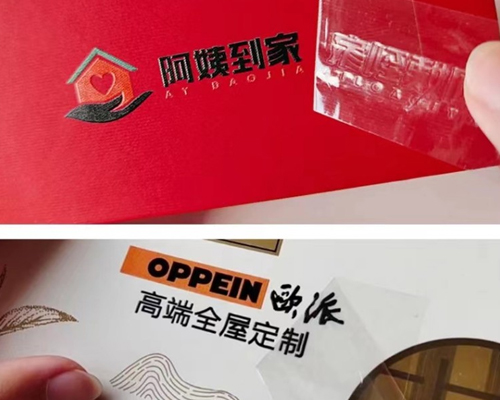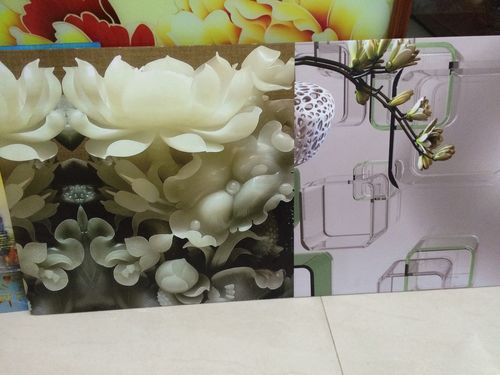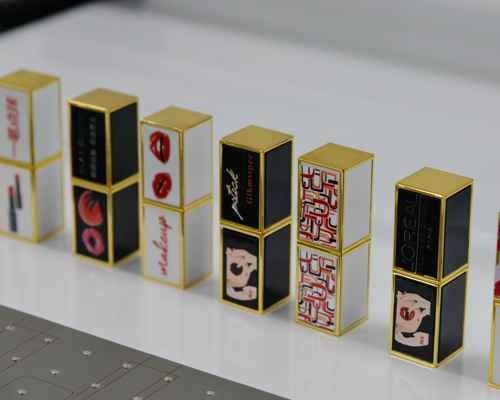
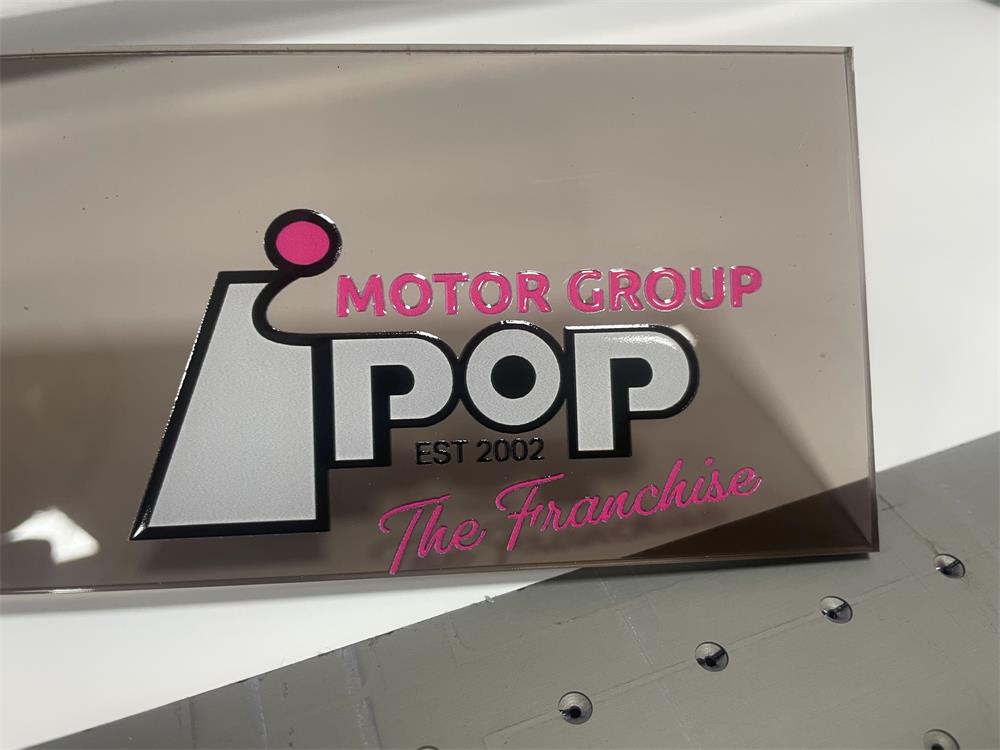
Acrylic is one of the most popular materials for signs and display products because of its excellent transparency, smooth surface, and modern appearance. From retail stores and restaurants to exhibitions and corporate offices, acrylic signs are widely used for branding, advertising, and interior decoration.
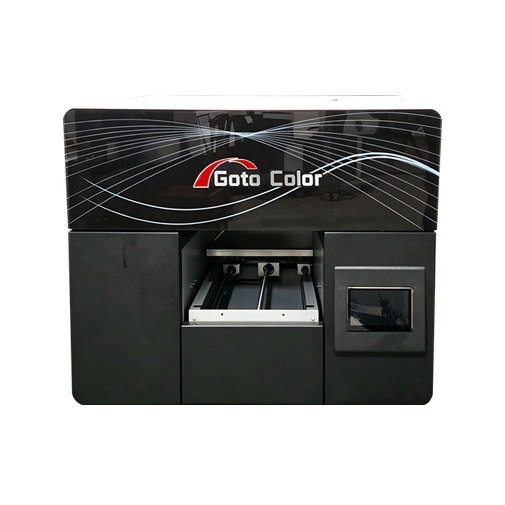
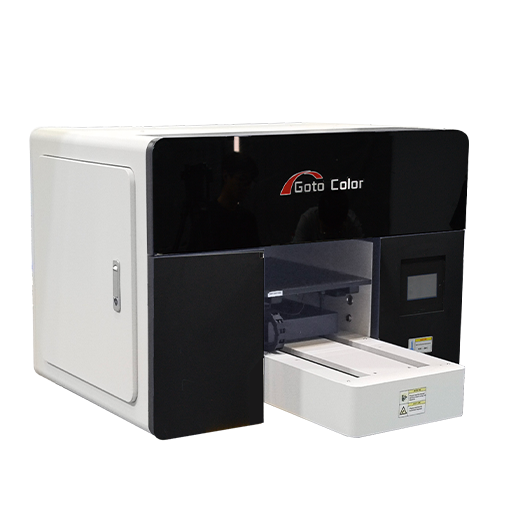
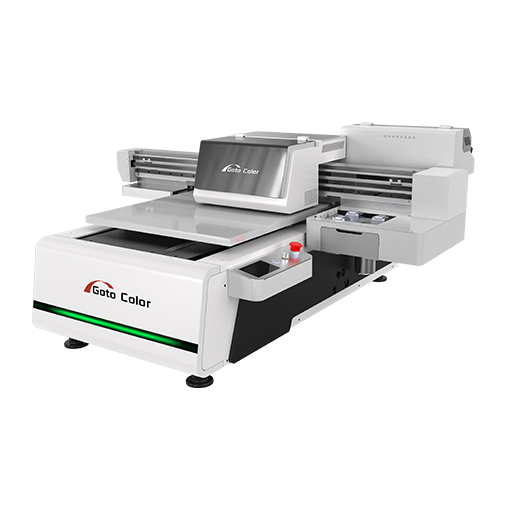
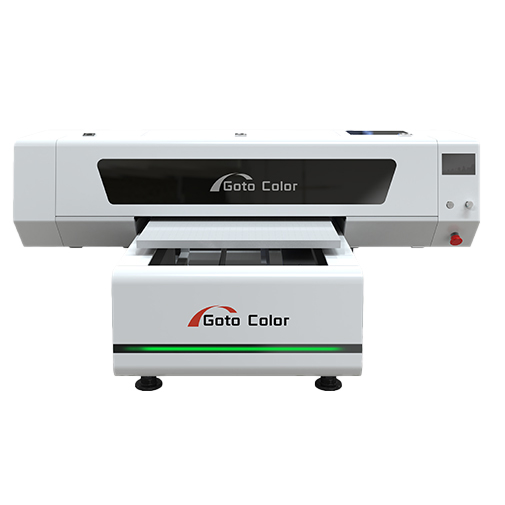
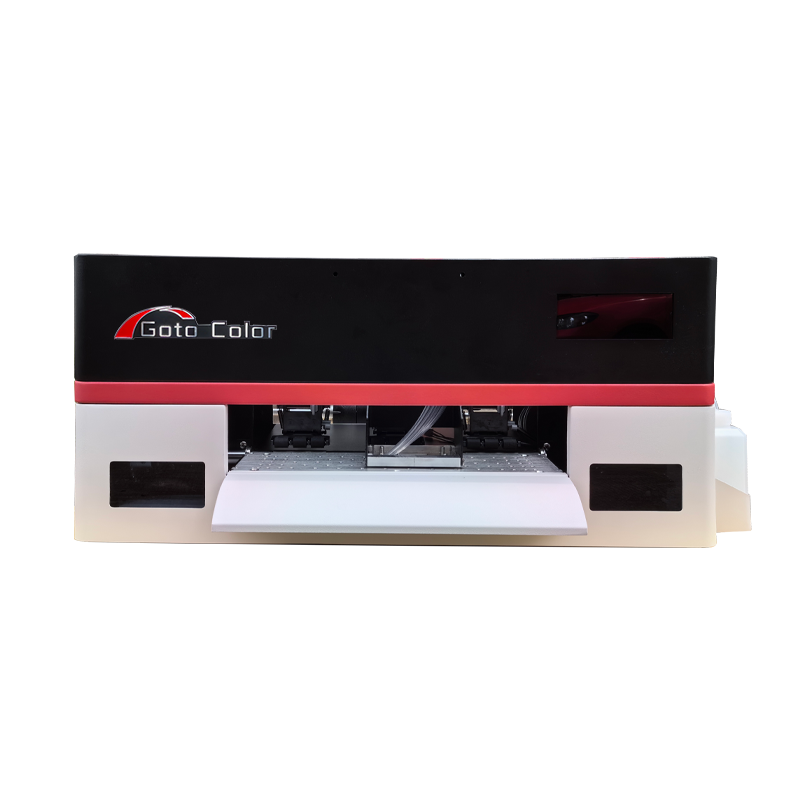
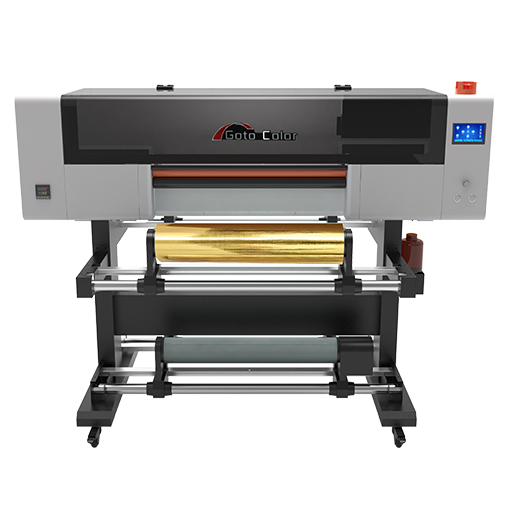
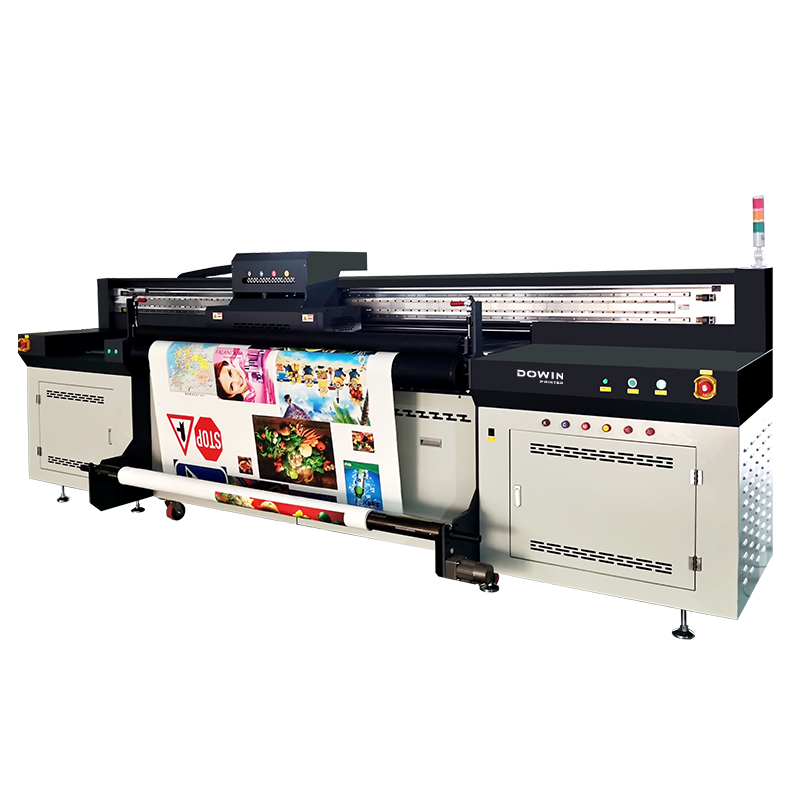
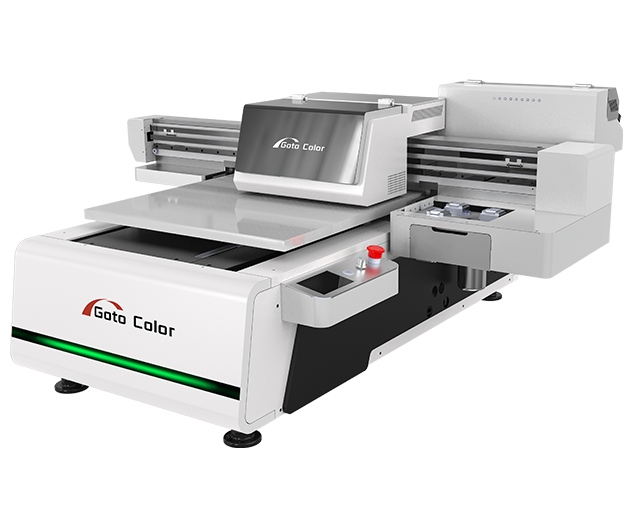
A UV flatbed printer makes it possible to print directly onto acrylic with vibrant colors, sharp details, and durable results. Compared with traditional printing methods, UV printing offers greater flexibility, faster production, and lower setup costs, making it an ideal solution for both custom and high-volume sign production.
Acrylic has a flat, non-porous surface that is well suited for UV-curable inks. During printing, UV LED lamps instantly cure the ink, creating a durable image that adheres firmly to the acrylic surface.
Key advantages include:
These benefits make UV flatbed printing one of the most efficient methods for producing acrylic signs and displays.
UV flatbed printers can print on a wide variety of acrylic products, including:
Whether using clear, white, black, or colored acrylic, UV printing delivers professional-quality results.
UV flatbed printers produce high-definition images with excellent color accuracy.
Benefits include:
This makes UV printing ideal for premium signage and branding applications.
Transparent acrylic often requires a white ink layer to make colors appear bright and vivid.
White ink can be used to:
This feature is especially useful for illuminated signs and backlit displays.
Many UV flatbed printers support varnish printing, allowing manufacturers to create decorative finishes.
Varnish can be used to produce:
These finishing options increase the visual appeal and perceived value of acrylic products.
UV-cured inks are designed to withstand everyday use.
Printed acrylic signs offer:
With the appropriate inks and protective coatings, UV-printed acrylic can also be used in many outdoor environments.
Before printing:
A clean surface improves ink adhesion and print quality.
Place the acrylic sheet securely on the printer bed.
Important considerations:
Using RIP software, configure:
For transparent acrylic, a common print sequence is:
White → Color → Varnish
or
Color → White (for reverse printing on the back of clear acrylic).
The best method depends on the final application.
The UV flatbed printer deposits ink directly onto the acrylic while UV LED lamps instantly cure each layer.
The result is:
Printed products can move directly to packaging or installation without additional drying time.
UV-printed acrylic signs are used in many industries.
For the best print quality:
These practices help maintain consistent production quality.
| Feature | UV Flatbed Printing | Traditional Screen Printing |
|---|---|---|
| Setup Time | Minimal | Longer |
| Full-Color Printing | Yes | Limited by screen count |
| Small Batch Production | Highly efficient | Less economical |
| Variable Data Printing | Supported | Difficult |
| White Ink Printing | Yes | Requires additional processes |
| Custom Orders | Easy | Time-consuming |
| Turnaround Time | Fast | Slower |
UV flatbed printing on acrylic signs and displays offers an efficient, high-quality, and versatile solution for modern sign makers and printing businesses. With direct printing, vibrant colors, white ink support, varnish effects, and instant UV curing, manufacturers can produce professional acrylic products for retail, commercial, and decorative applications.
Whether you’re creating a single custom sign or thousands of branded display panels, a UV flatbed printer provides the precision, flexibility, and productivity needed to meet today’s growing demand for customized acrylic signage.