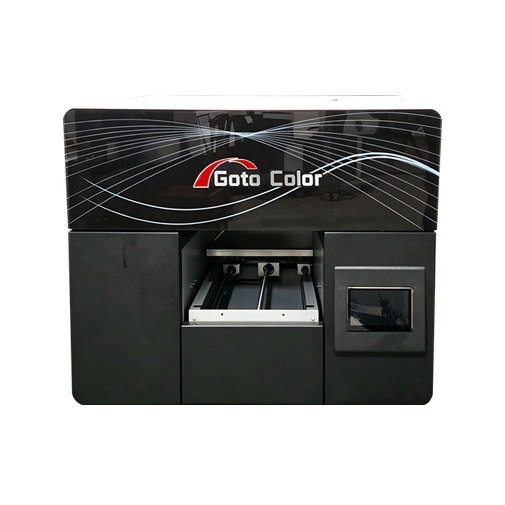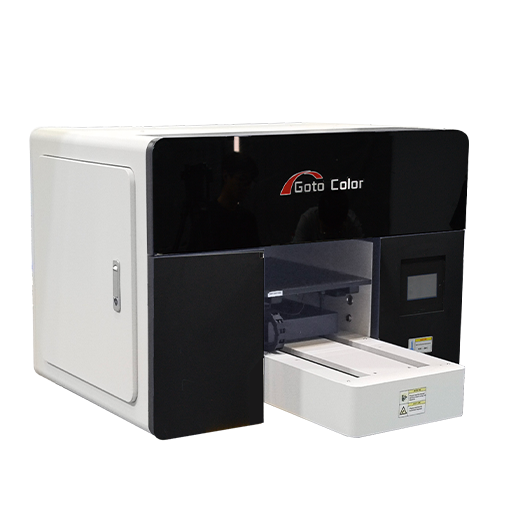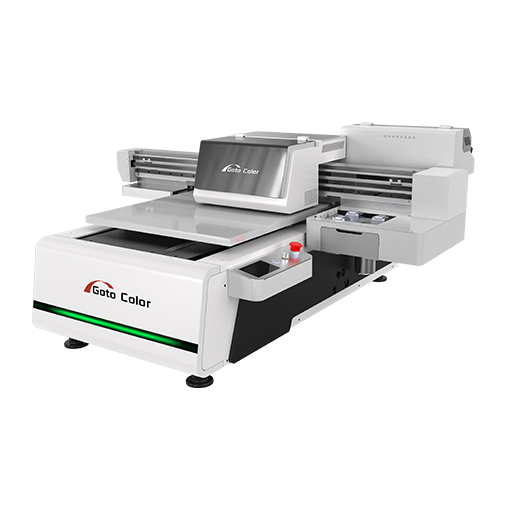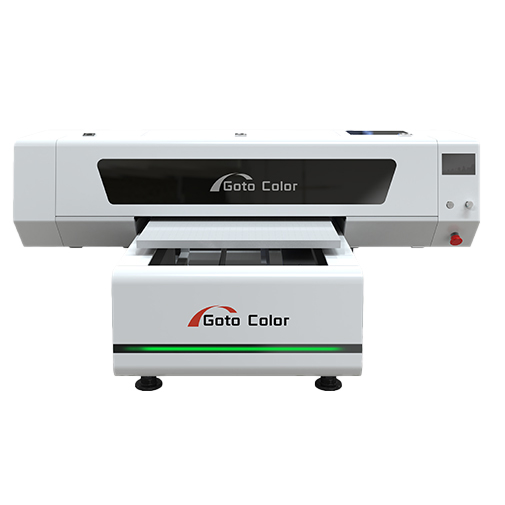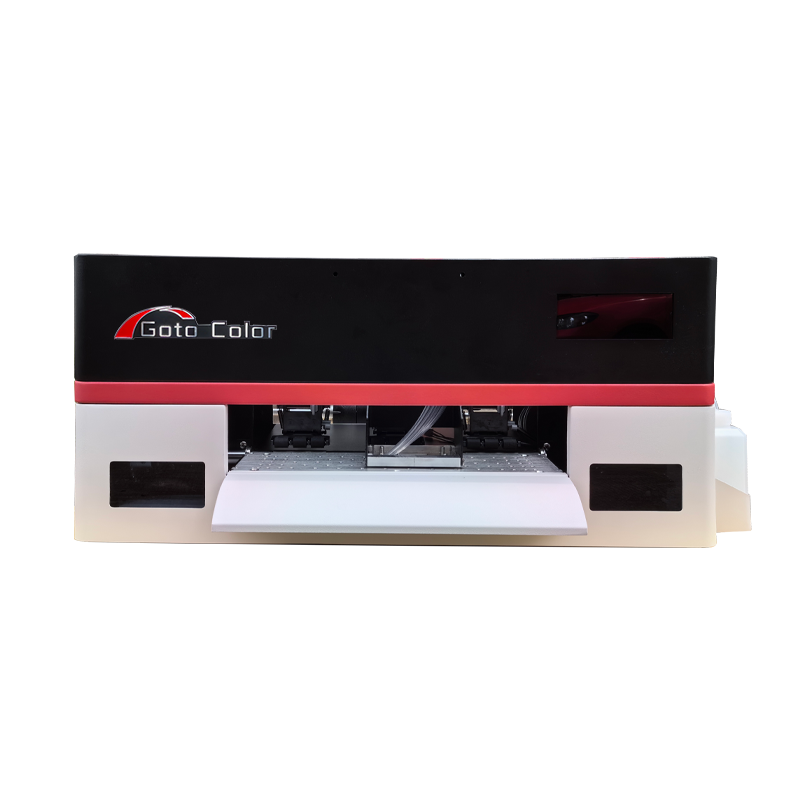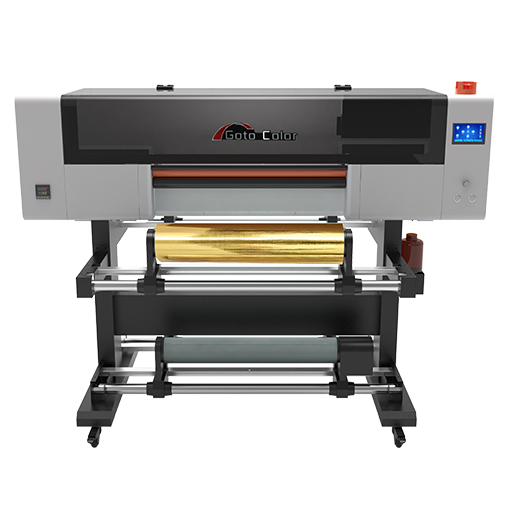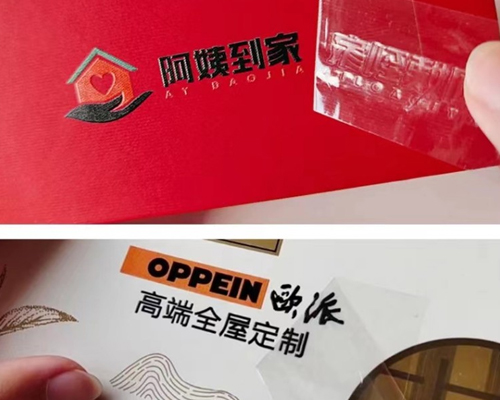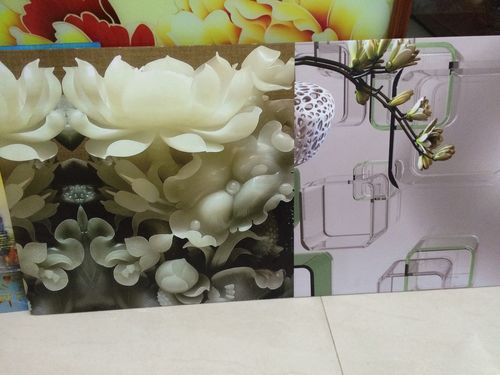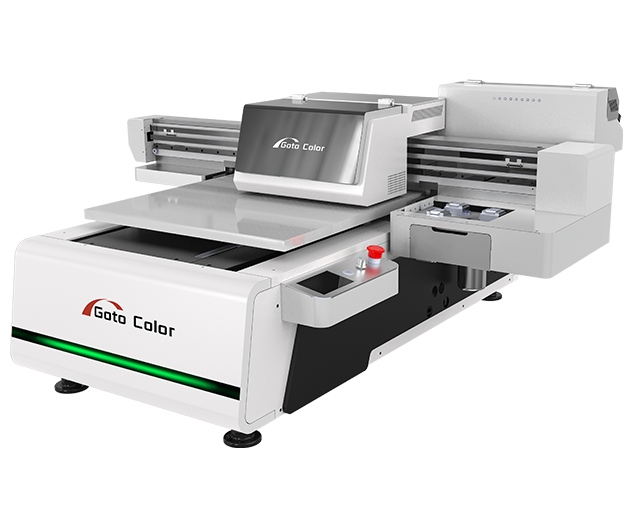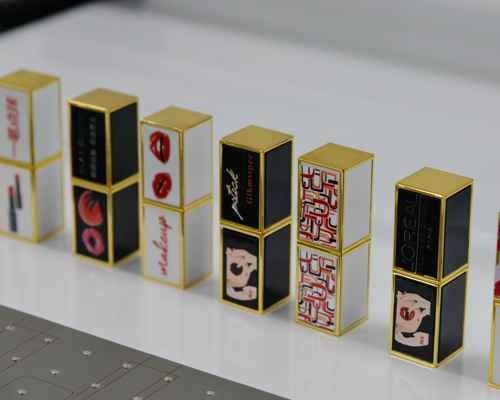
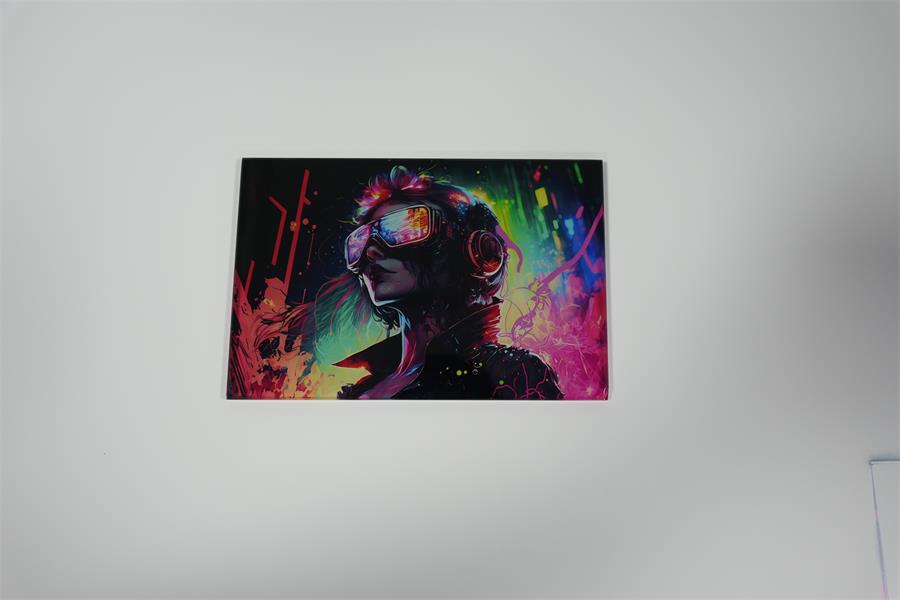
Glass printing has become increasingly popular in industries such as home decoration, advertising, packaging, and personalized product manufacturing. With the development of UV flatbed printing technology, businesses can now print directly on glass surfaces without traditional screen printing processes or transfer methods.
A UV flatbed printer provides high-resolution images, strong adhesion, and fast production speed, making it an effective solution for customized glass products. This article explains the complete process of printing on glass using a UV flatbed printer and the key factors that affect print quality.
Glass is a smooth, non-porous material that is difficult for traditional inks to adhere to. UV printing solves this challenge by using UV-curable inks that are instantly dried and hardened under ultraviolet light.
The main advantages include:
A UV flatbed printer allows manufacturers to create decorative glass panels, personalized gifts, and branded glass products efficiently.
Surface preparation is one of the most important steps in glass printing. Since glass is smooth and has low ink absorption, proper cleaning is necessary to ensure good adhesion.
Before printing:
A clean surface helps UV ink bond more effectively and prevents peeling or uneven printing.
Although many UV inks can print directly on glass, using a primer can improve adhesion for applications requiring higher durability.
Primer is especially recommended for:
The primer creates a stronger bonding layer between the glass and UV ink, improving print durability.
Accurate positioning ensures that the design is printed correctly.
Important considerations include:
Many UV flatbed printers support adjustable platforms, allowing users to print on different thicknesses of glass.
Before printing, prepare the design using graphic software and RIP software.
Common settings include:
For transparent glass, white ink is especially important because it creates a background layer that improves color brightness.
Different glass types may require different printing parameters.
Recommended adjustments include:
Testing a small sample before production is recommended.
Once all settings are confirmed, the UV flatbed printer begins printing directly onto the glass.
During printing, UV LED lamps instantly cure the ink, resulting in:
Unlike traditional methods, there is no waiting time for ink drying.
For some applications, additional protection may improve durability.
Possible finishing methods include:
The appropriate finishing method depends on whether the glass product is used indoors or outdoors.
UV flatbed printers are widely used for many glass products, including:
To achieve consistent quality:
Proper preparation and machine maintenance are essential for reliable glass printing.
Printing on glass with a UV flatbed printer is an efficient way to create high-quality customized products. By combining UV-curable ink technology with precise flatbed printing, businesses can achieve vibrant colors, detailed graphics, and durable finishes on glass surfaces.
With correct surface preparation, proper printer settings, and suitable ink selection, a UV flatbed printer provides a flexible and profitable solution for glass decoration, advertising production, and personalized manufacturing.