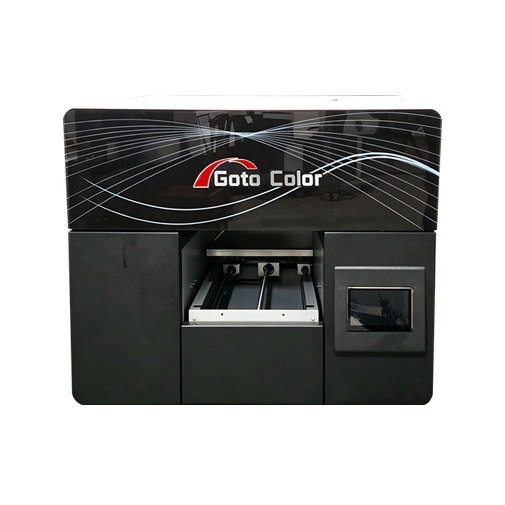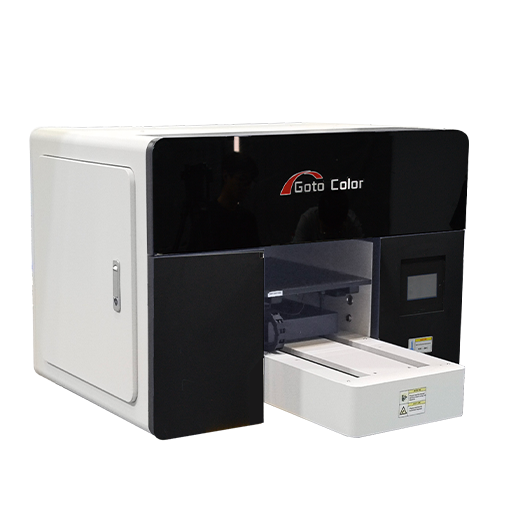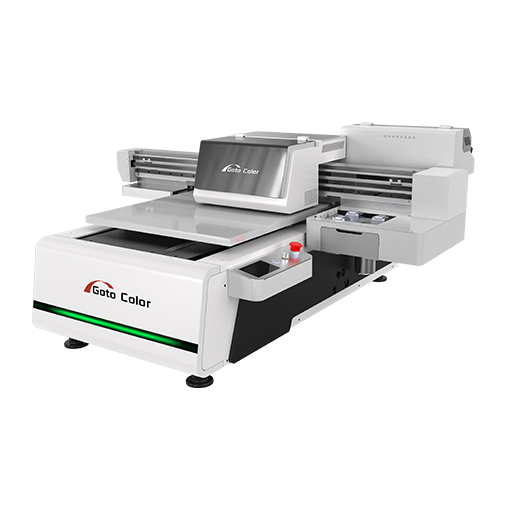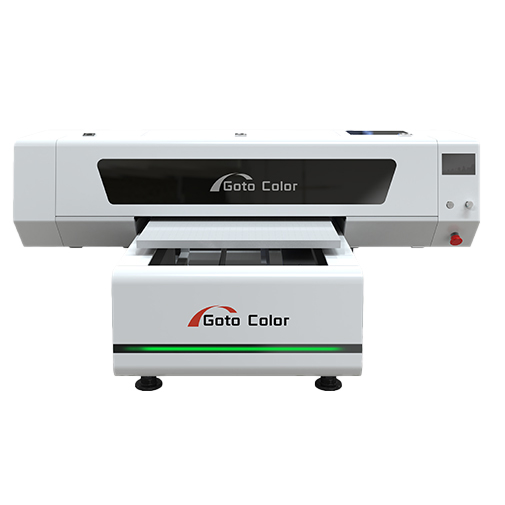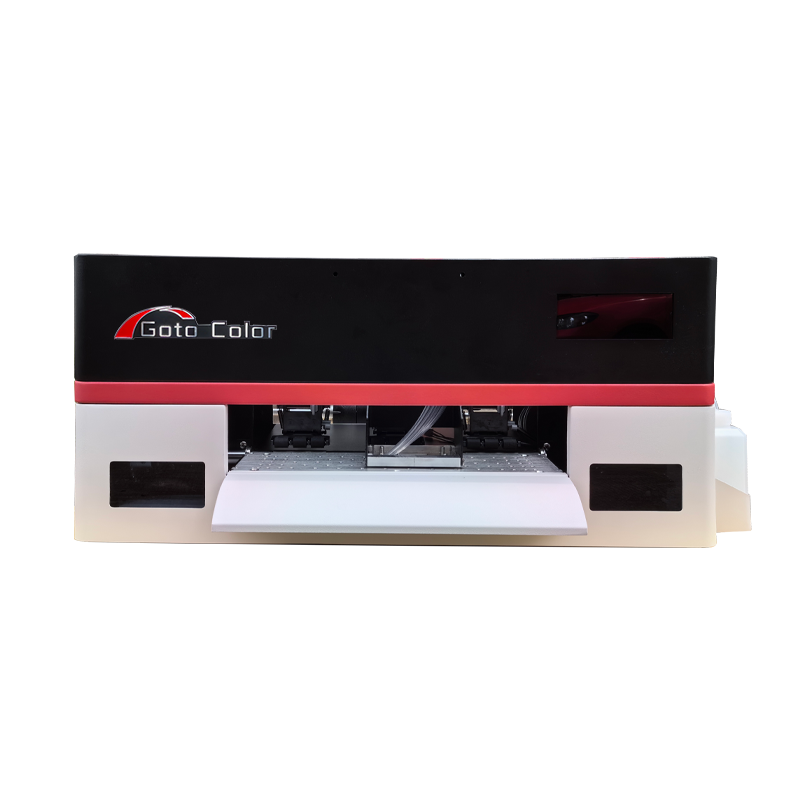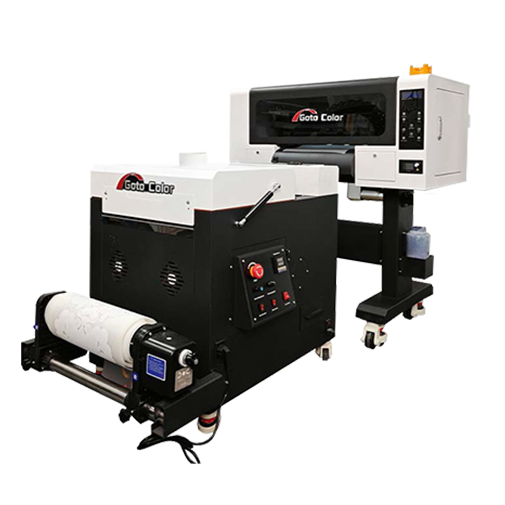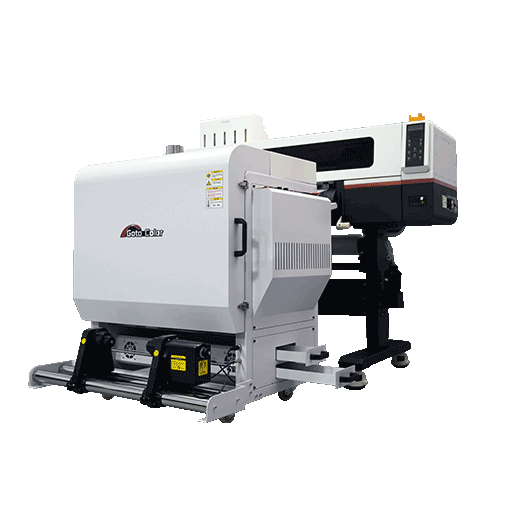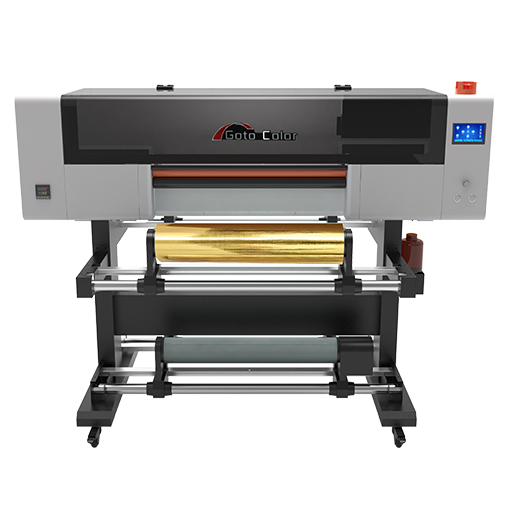
The demand for customized products continues to grow in 2026. From personalized gifts and promotional products to signage and home décor, small businesses are increasingly investing in UV printing technology to expand their services and increase profits.
However, with so many options available, choosing the right printer can be challenging. If you’re planning to invest in a compact UV printer, understanding the latest industry trends and key buying factors is essential.
This guide explains how to choose a small UV flatbed printer in 2026 and avoid costly purchasing mistakes.
The UV printing industry is shifting toward efficiency, flexibility, and customization. Small businesses no longer need large industrial machines to produce professional-quality products.
In 2026, buyers are focusing more on production efficiency, operating costs, automation features, and application flexibility rather than simply looking at print resolution alone. Businesses also want equipment that can support short-run and on-demand production models.
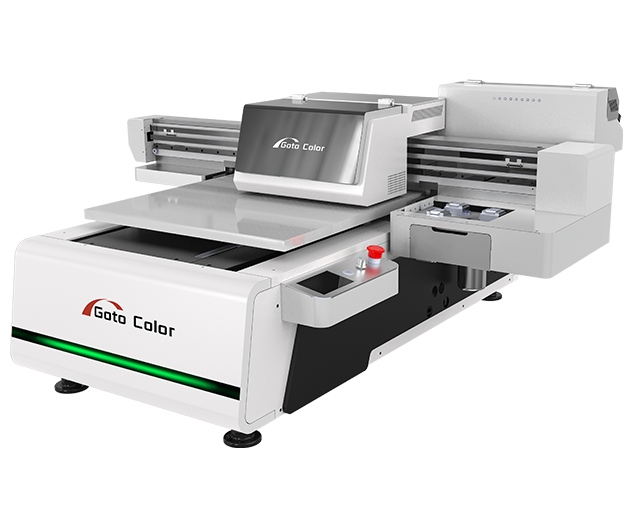
A compact UV flatbed printer offers several advantages:
These benefits make small-format UV printers ideal for startups, online sellers, gift shops, and advertising companies.
Before comparing printer specifications, ask yourself:
Many buyers choose a machine that is larger than they actually need. This often leads to higher operating costs and longer ROI periods.
The best printer is not necessarily the biggest one—it’s the one that matches your business model.
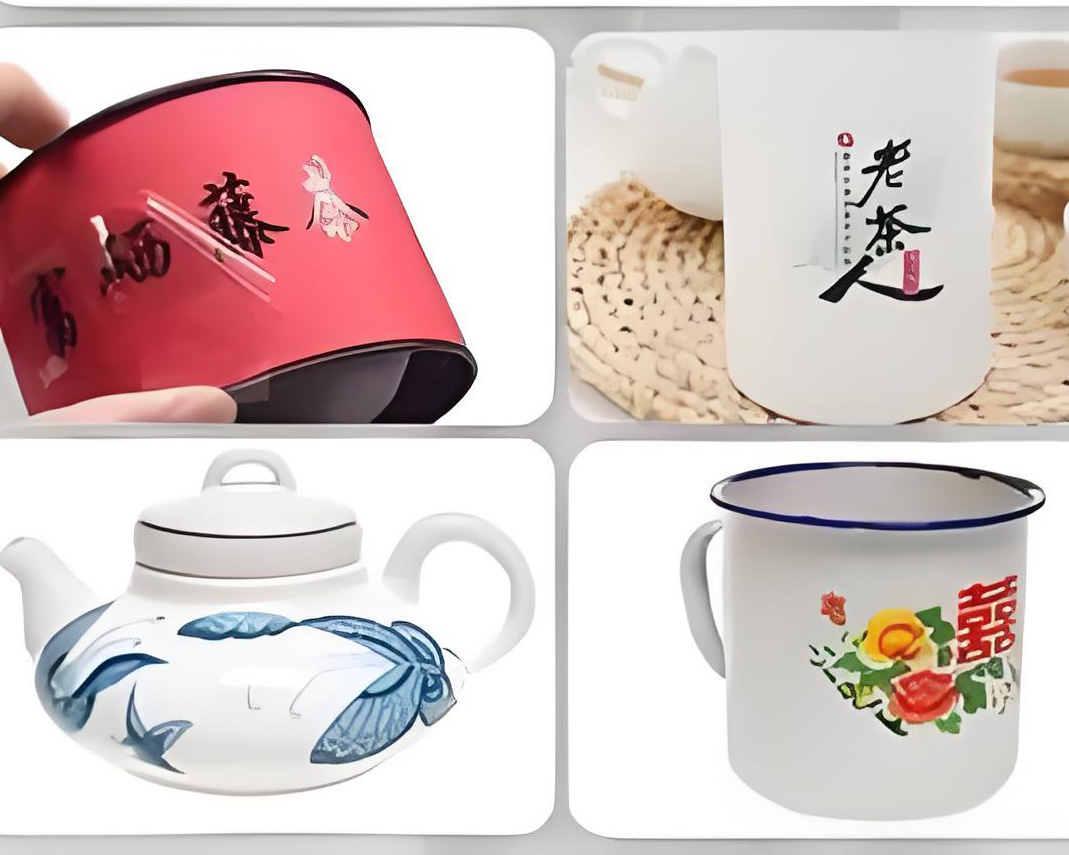
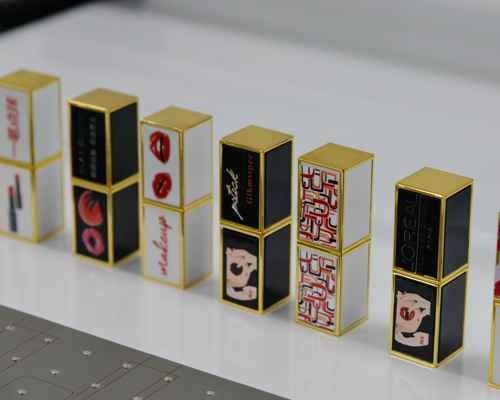
A good small UV flatbed printer should support a wide range of materials, including:
The ability to print on multiple substrates allows businesses to enter different markets without purchasing additional equipment.
Versatility remains one of the main reasons small UV printers continue to gain popularity among customization businesses.
The printhead is one of the most important components of any UV printer.
When comparing machines, consider:
Look for smooth gradients, sharp text, and accurate color reproduction.
Stable printheads reduce maintenance costs and minimize downtime.
While speed is important, consistent production is often more valuable than maximum speed. Industry trends show that buyers increasingly prioritize stable output over theoretical speed specifications.
Modern customers expect premium-looking products.
A UV printer equipped with:
can produce higher-value products and improve profit margins.
Textured UV printing and specialty finishes are becoming increasingly popular in personalized product markets.
Many buyers only compare machine prices.
Experienced print shop owners know that long-term operating costs matter more.
Evaluate:
In 2026, maintenance transparency and predictable ownership costs have become major purchasing factors for UV printer buyers.
Automation helps reduce labor costs and operator errors.
Useful features include:
These functions improve efficiency and make the printer easier to operate, especially for new users.
Even the best printer will occasionally require maintenance or technical assistance.
Before purchasing, ask suppliers about:
A reliable supplier can save significant time and money over the life of the machine.
Many first-time buyers make these mistakes:
The cheapest printer often becomes the most expensive in the long run.
Choose a machine that can support your expected business expansion.
Fast technical assistance can prevent costly production interruptions.
Avoid paying for functions you may never use.
If you’re wondering how to choose a small UV flatbed printer in 2026, focus on the factors that directly affect your business: reliability, material compatibility, operating costs, automation, and supplier support.
Today’s successful print businesses are built on efficiency and flexibility rather than simply owning the largest machine. By selecting a printer that matches your production needs and growth plans, you can create profitable customized products, improve customer satisfaction, and achieve a faster return on investment.
A well-chosen small UV flatbed printer is not just a piece of equipment—it is a long-term business asset that can help your company grow in the rapidly expanding customization market.