Ceramic tiles remain one of the most widely used flooring materials due to their strength, water resistance, and long service life. Traditionally, tile decoration relied on screen printing, roller printing, or decal transfers—processes that are costly, time-intensive, and limited in design flexibility.
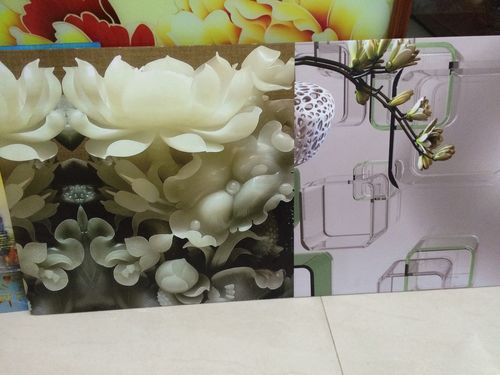
With UV flatbed printing technology, manufacturers and print service providers can now apply direct-to-surface digital graphics onto ceramic floors with precision, speed, and durability. Below, we break down the technical aspects, equipment requirements, and performance considerations of UV printing for ceramic applications.
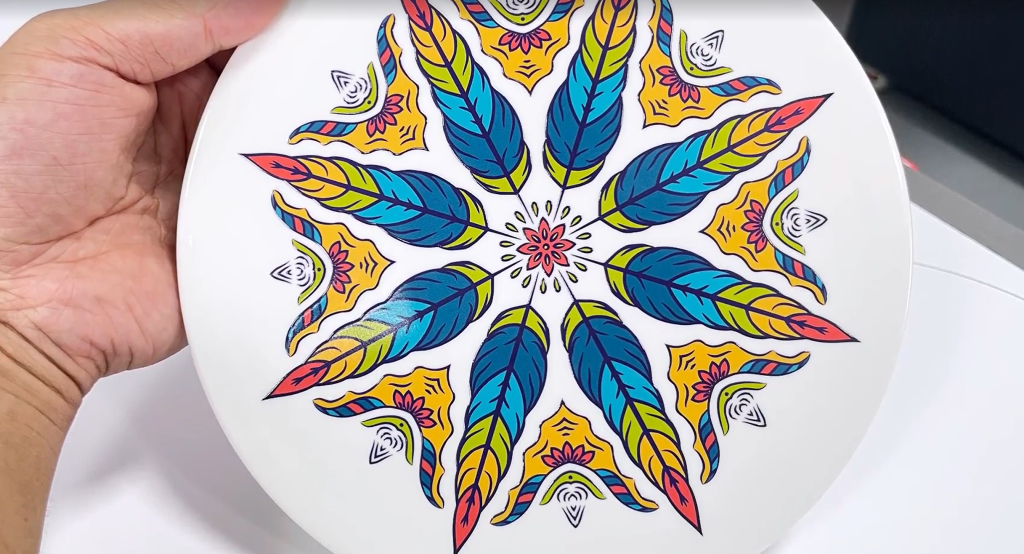
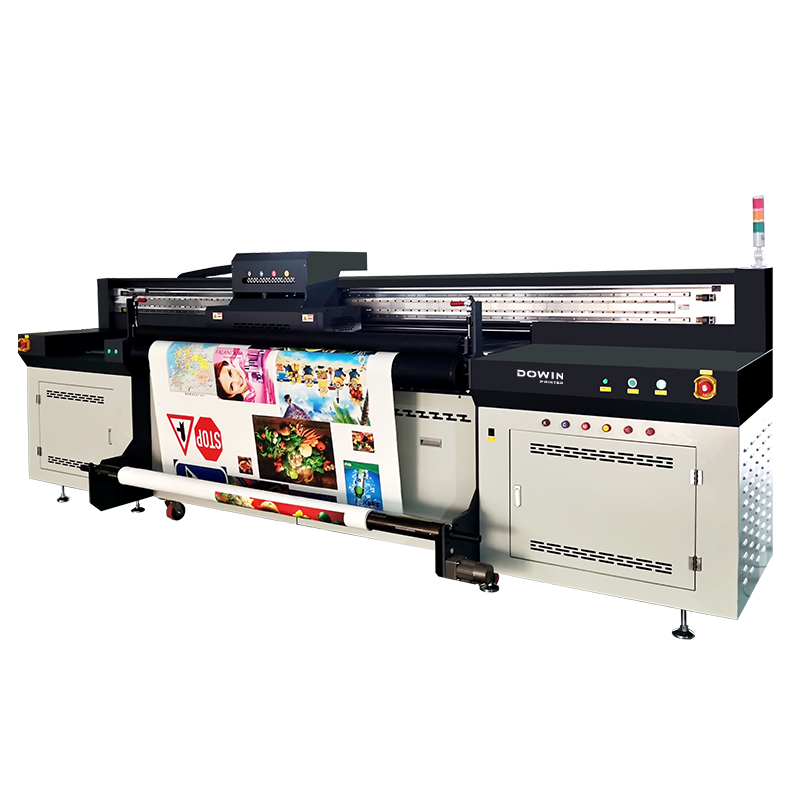
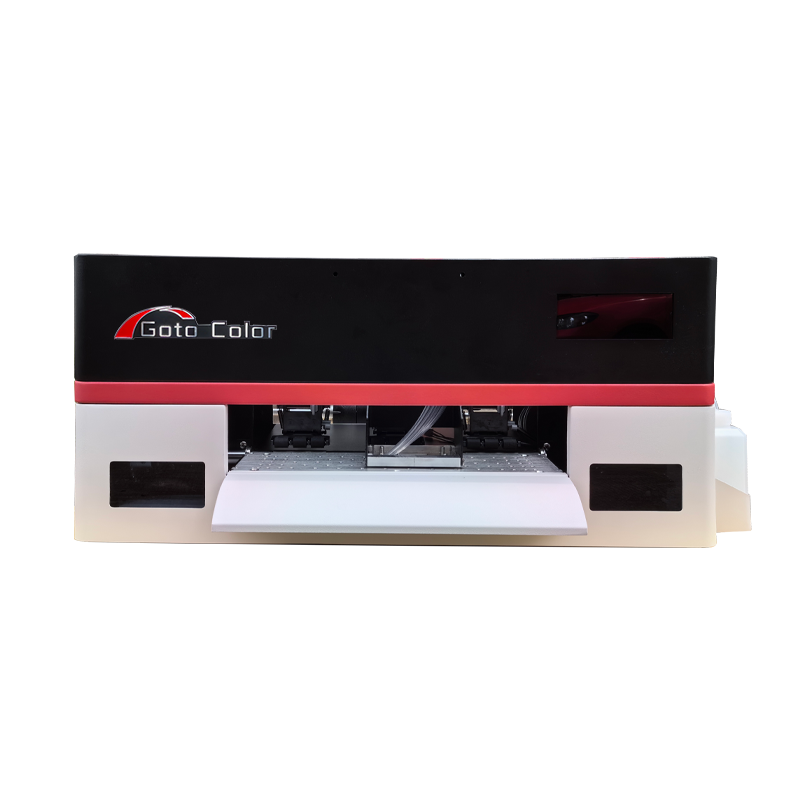
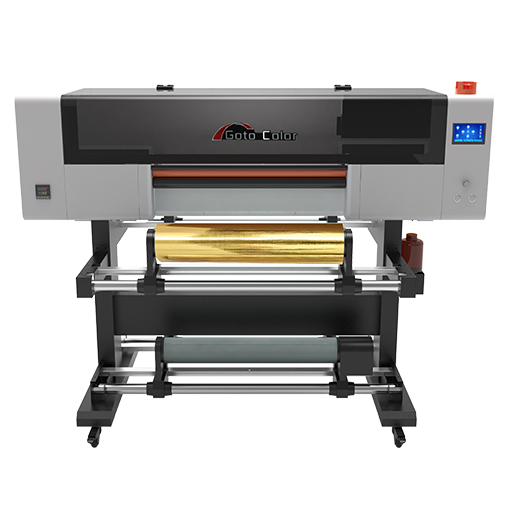
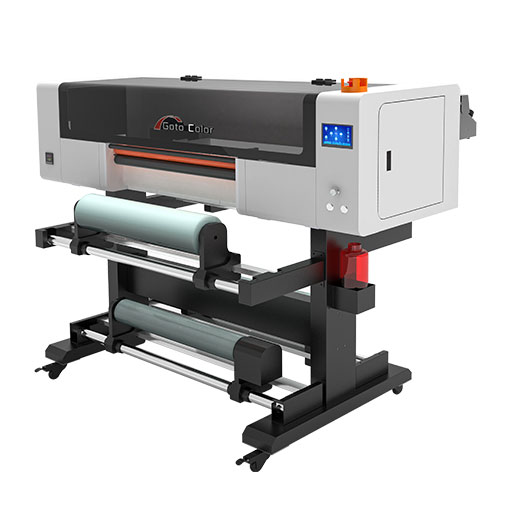
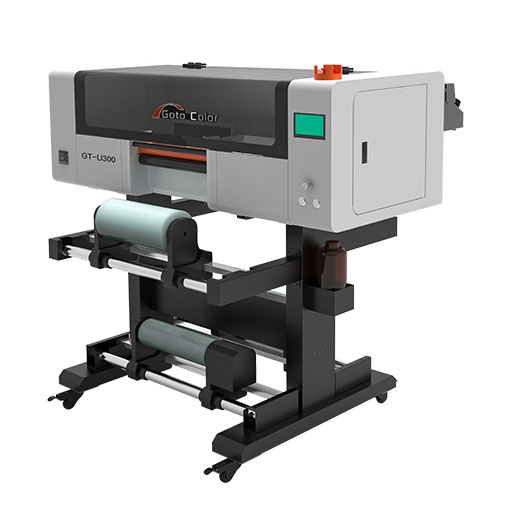
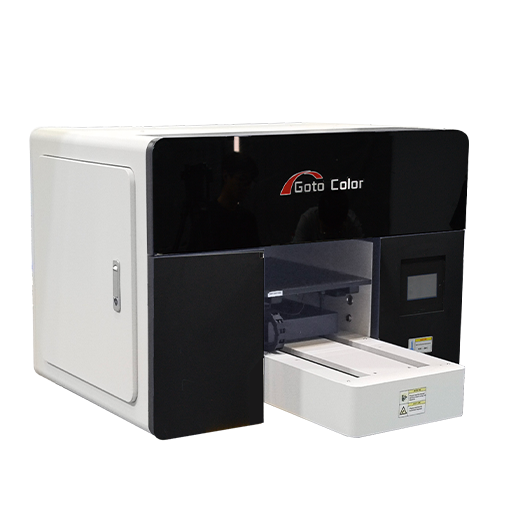
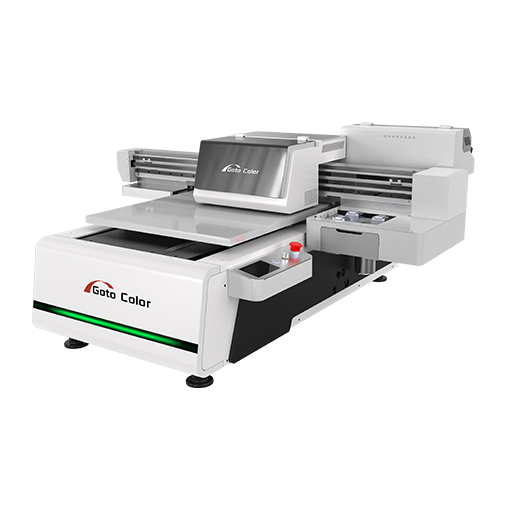
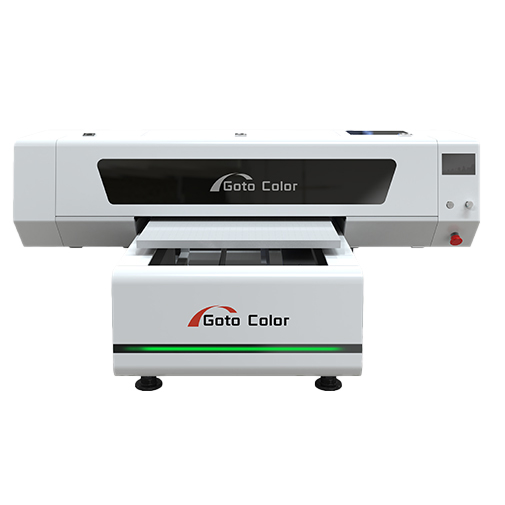
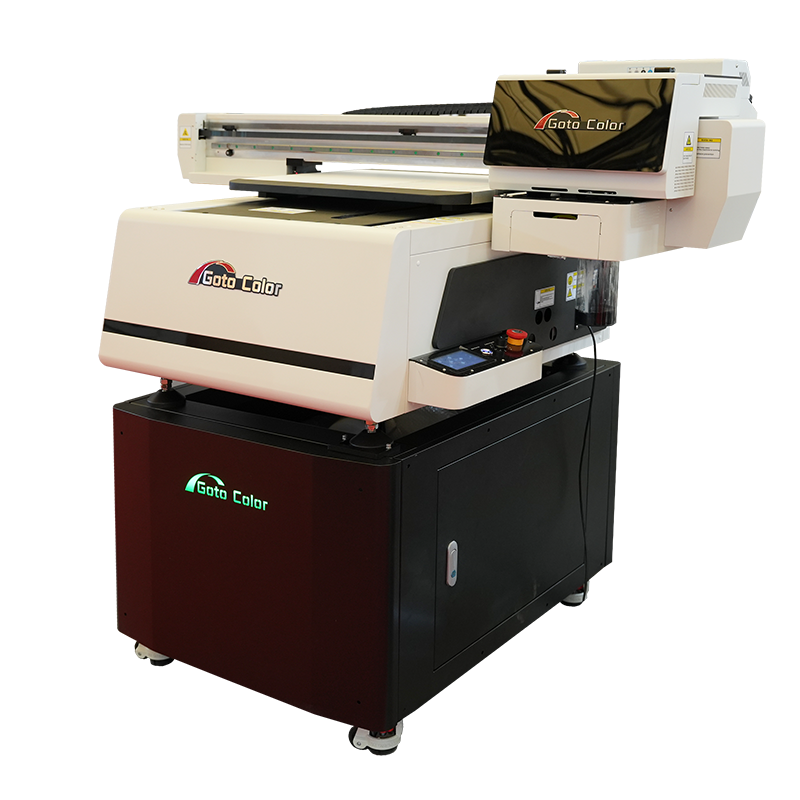
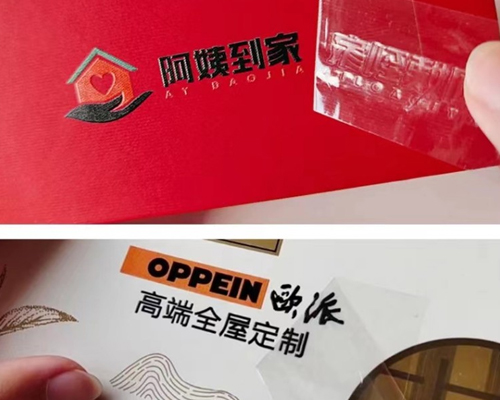
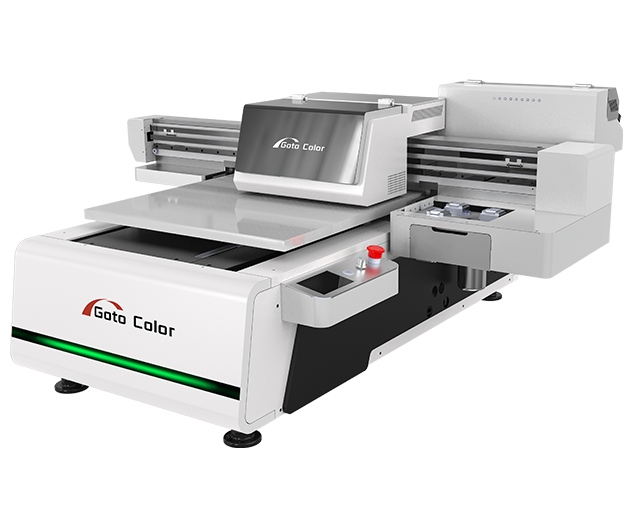
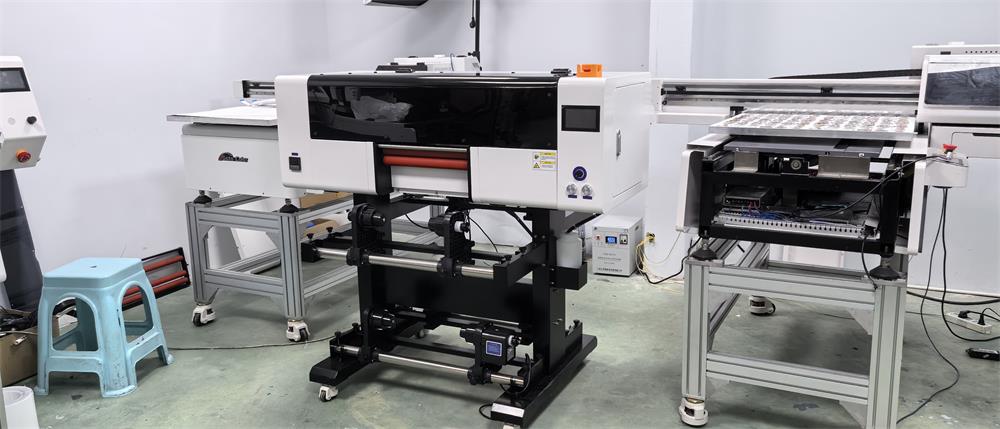
UV flatbed printers use piezoelectric printheads (e.g., EPSON i3200, Ricoh Gen5/6, Konica Minolta) to jet UV-curable inks directly onto the tile surface. As the ink is deposited, high-intensity UV LEDs cure it instantly, forming a solid film that bonds tightly to ceramic.
Ink Type: UV-curable pigment inks, formulated for adhesion on rigid substrates.
Layering: Multi-layer printing allows CMYK + White + Varnish. White is critical for printing on dark or colored tiles, while varnish provides gloss/matte finishes or protective top layers.
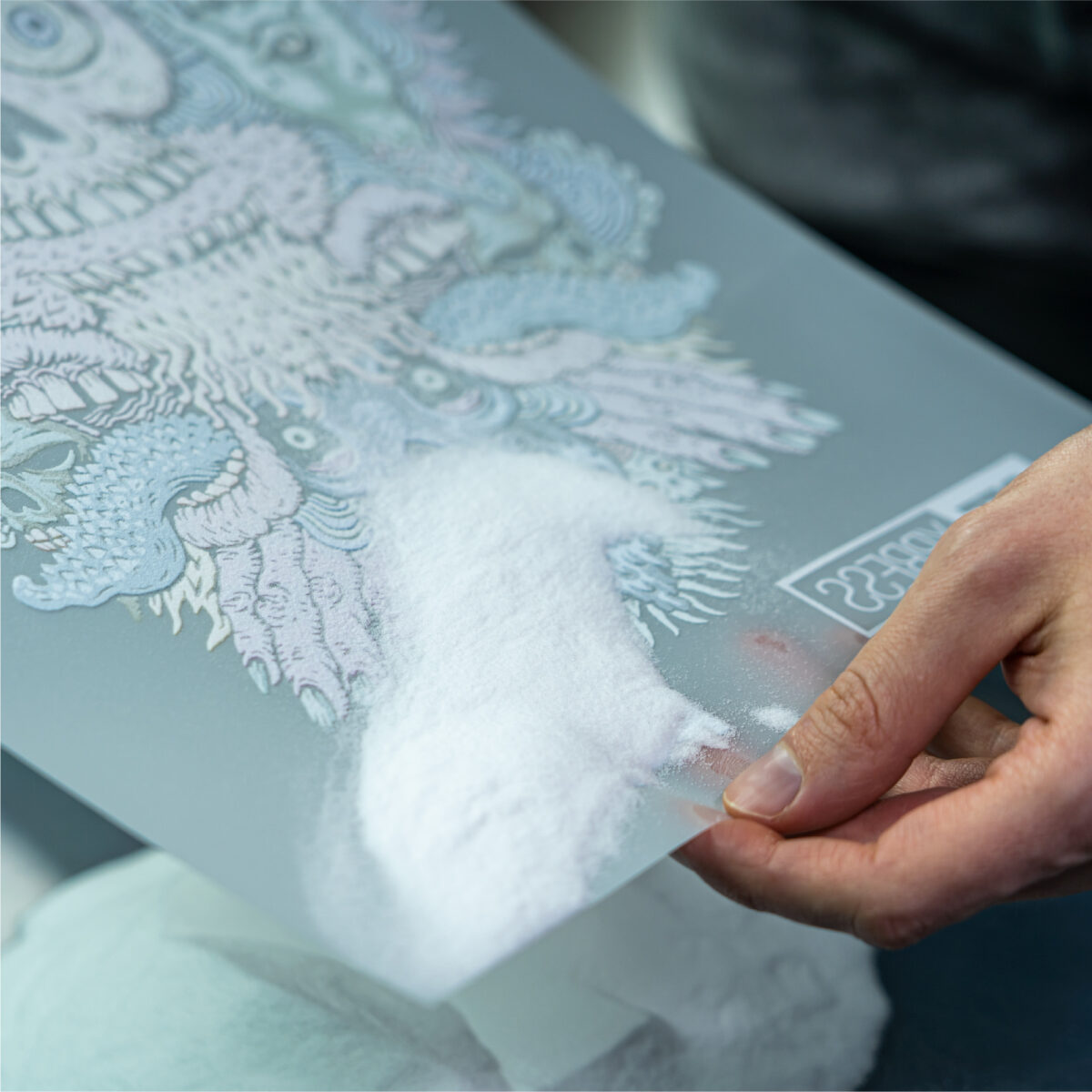
Texture Effects: Multiple ink passes can create 3D embossed or anti-slip textures, enhancing both aesthetics and functionality.
When choosing a UV printer for floor tile applications, the following specifications are crucial:
Print Size / Bed Area
UV6090 (600×900mm): Best for small-format tiles and sample production.
UV1313 / UV2513 (1300×1300mm / 2500×1300mm): Suitable for industrial-scale tile panels and flooring projects.
Printhead Technology
Ricoh Gen5/Gen6 or Konica Minolta heads for high-resolution (600–1200 dpi) and long service life.
Drop sizes ranging from 5–21pl allow smooth gradients and high ink laydown for textured effects.
Ink Adhesion
Pre-coating/primer may be required for glossy ceramic surfaces.
Optional clear varnish enhances abrasion and chemical resistance.
Durability
Scratch and UV-resistant inks.
Surface wear resistance can be further improved with PU or epoxy protective coatings.
No Screens or Rollers: Digital workflow eliminates screen-making, saving time and cost on short runs.
On-Demand Production: Easily print single designs or variable data across multiple tiles.
High Resolution: Up to 1200 dpi output enables photorealistic designs compared to limited-pattern roller printing.
Material Versatility: Works not only on ceramic but also on porcelain, glass, MDF, PVC, acrylic, and metal, expanding product range.
| Feature / Process | UV Printing on Ceramic Floors | Screen / Roller Printing |
|---|---|---|
| Setup Requirements | No screens or rollers needed; fully digital workflow | Requires molds, rollers, or screens; high setup cost |
| Design Flexibility | Unlimited, full-color, photorealistic, variable data printing | Limited to repeating patterns and fixed designs |
| Minimum Order Quantity | Single tile possible (on-demand) | Large batches are required to be cost-effective |
| Resolution / Detail | Up to 1200 dpi; fine gradients and textures | Lower resolution; less detail in images |
| Customization | Easy to change designs, logos, and artwork instantly | Difficult and costly to change designs |
| Durability | Scratch, UV, and chemical resistant; optional topcoat for extra protection | Durable but pattern choices limited; glaze colors fade over time |
| Eco-Friendliness | Low-VOC UV inks, no water used, reduced waste | Consumes water, chemicals, and solvents |
| Production Speed | Fast turnaround; no setup delays | Slower for custom jobs; only efficient at large volume |
| Applications | Custom flooring, signage, decorative panels, luxury designs | Standard tile patterns, bulk production |
Since floor tiles must withstand abrasion, cleaning chemicals, and heavy foot traffic, durability is critical:
Abrasion Resistance: UV inks are inherently hard once cured; optional top coats add further hardness (up to 4H–6H pencil hardness).
Slip Resistance: Embossed printing or matte varnish can create anti-slip textures for commercial flooring.
Chemical Resistance: Cured UV prints withstand detergents, mild acids, and alcohol-based cleaners.
Outdoor Use: UV inks resist fading from sunlight exposure, extending lifespan in semi-outdoor environments.
Custom Tile Manufacturing: Small-batch decorative tiles with fast turnaround.
Commercial Projects: Branded floor tiles for hotels, malls, and offices.
Architectural Design: Unique interior flooring solutions without high mold/setup costs.
Public Spaces: Durable signage and wayfinding integrated directly into floor tiles.
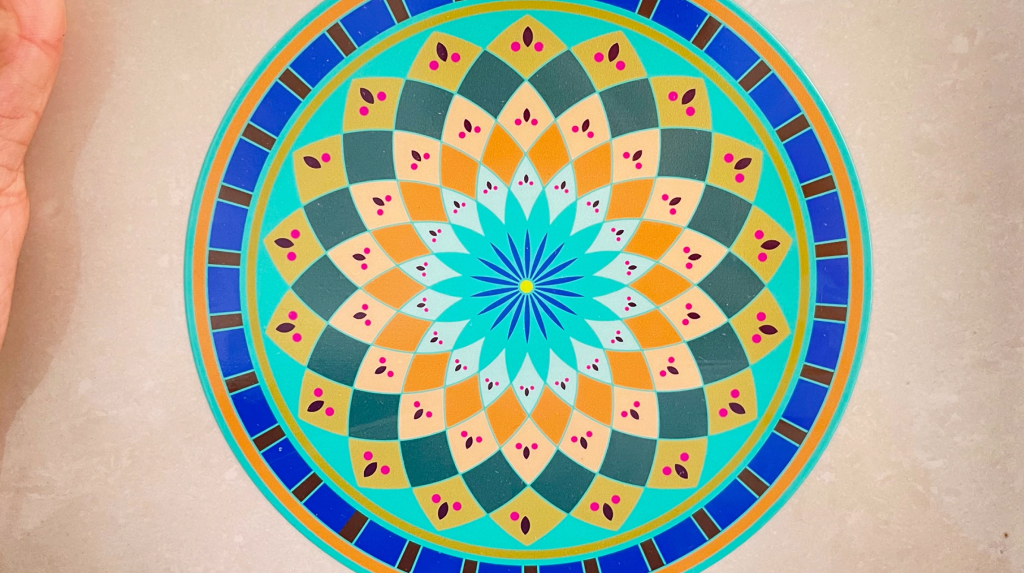
Surface Pre-Treatment: Some ceramics require adhesion promoters to ensure long-term bonding.
Production Volume: For high-output tile factories, integration with conveyor-fed UV printers is recommended.
Maintenance: Printheads must be cleaned regularly to avoid clogging, especially when printing white inks.
Protective Coating: For extremely high-traffic areas, applying a transparent PU or epoxy coating is advised.
UV printing technology enables direct, high-resolution, and durable decoration of ceramic flooring—unlocking possibilities that traditional tile-printing methods cannot match. With the right printer, ink system, and surface preparation, businesses can produce customized, abrasion-resistant, and commercially viable ceramic floors for both residential and industrial projects.
👉 Looking to equip your workshop or tile factory with UV ceramic printing capability? Contact us for machine specifications, sample prints, and a consultation tailored to your production needs.