UV printing unlocks opportunities to create high-value customized products. However, setting the right price is critical to ensuring you cover costs, attract customers, and achieve sustainable profit margins. Here is a step-by-step guide to pricing your UV printed products strategically.
✅ Calculate material costs per item:
Blank substrate cost (e.g. acrylic keychain blank: $0.30)
Ink usage cost (UV ink is efficient; estimate per m² based on your RIP software)
Primer or varnish cost if used
Packaging cost (boxes, bubble wrap, stickers)
💡 Example:
Acrylic keychain blank: $0.30
Ink + varnish: $0.10
Primer: $0.05
Packaging: $0.15
🔢 Total direct material cost: ~$0.60 per piece
Machine depreciation (divide total cost by expected production lifetime)
Electricity consumption (UV printers are efficient but factor in)
Maintenance supplies (wipers, filters, cleaning solutions)
Labor cost per piece (time spent on setup, printing, QC, packaging)
Set target profit margins based on:
Market competitiveness (what are others charging?)
Your brand positioning (premium, mid-range, budget)
Value-added features (raised varnish, textured prints, personalization)
💡 Example:
If your total cost per keychain is $0.60 and you want a 70% gross margin:
Desired selling price = $0.60 / (1 – 0.7) = ~$2.00 minimum
Research local and online competitors for similar products. Evaluate:
✔️ Average selling prices
✔️ Unique features offered (e.g. textured varnish, metallic effects)
✔️ Their customer base and branding
This ensures you remain competitive while maximizing value.
Premium customers pay more for:
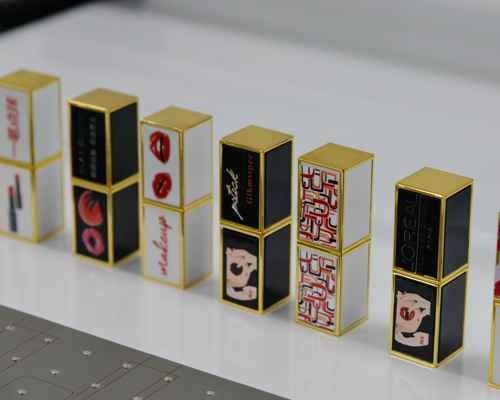
✨ Personalization (names, initials, messages)
✨ Exclusive designs or limited editions
✨ Gift-ready packaging
💡 Tip: Bundle items (e.g. “Set of 3 personalized keychains”) to increase order value.
Optimize production for volume
Streamline SKUs and limit design variation
Compete on speed, efficiency, and bulk pricing
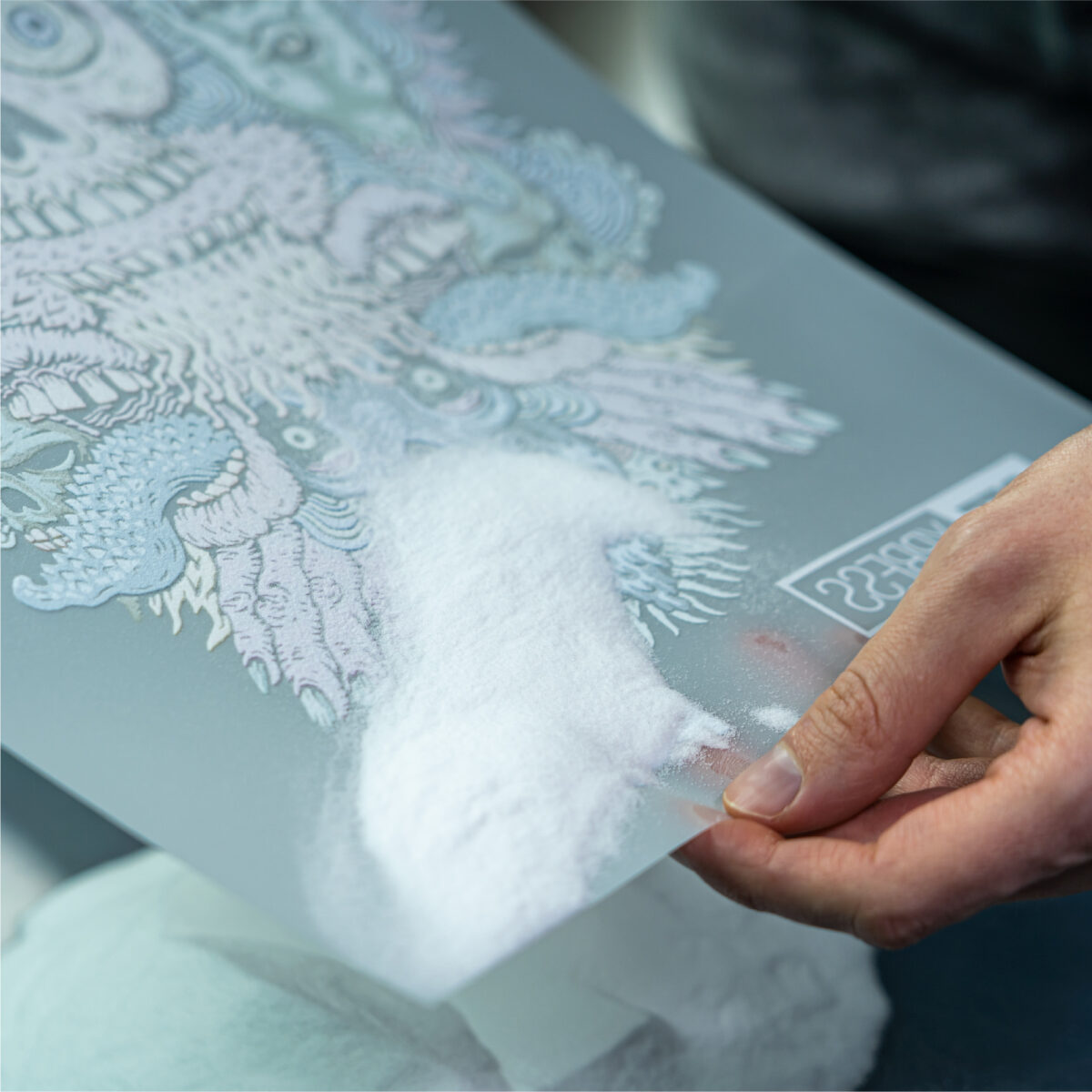
Emphasize design uniqueness and tactile finishes (UV varnish textures)
Offer personalization as standard
Justify higher prices with superior packaging and branding
If selling online:
Factor in shipping costs (including packaging weight)
Include platform fees if selling on Shopee, Etsy, or Amazon
💡 Example: A product priced at $5 with a $1.50 shipping cost and 10% platform fee must still deliver your target profit after these deductions.
Pricing isn’t static. Monitor sales data:
If sales are strong and production capacity allows, consider incremental price increases.
If sales are slow, review market positioning, design attractiveness, or marketing reach before cutting prices.
Smart pricing balances cost coverage, competitive value, and desired profit margins. With UV printing, your ability to add premium effects like varnish textures, raised prints, and durable finishes justifies higher prices compared to standard sublimation or DTF products.
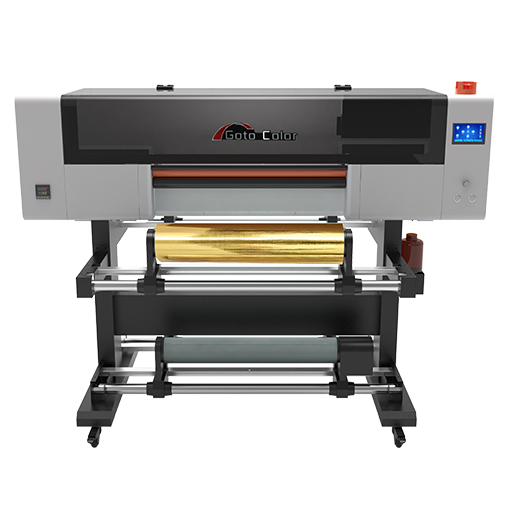
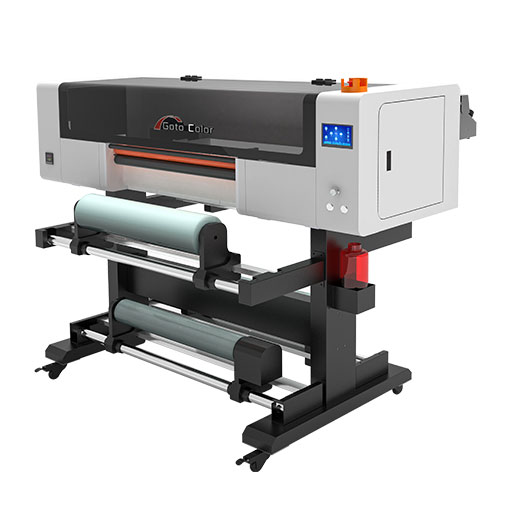
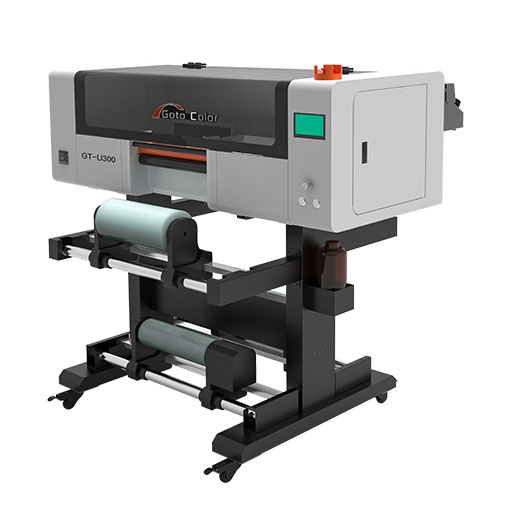
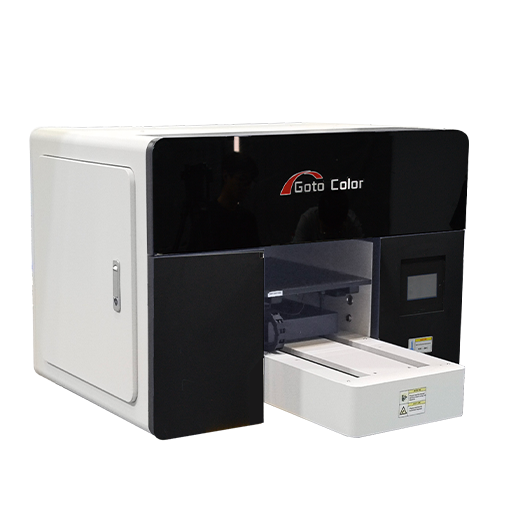
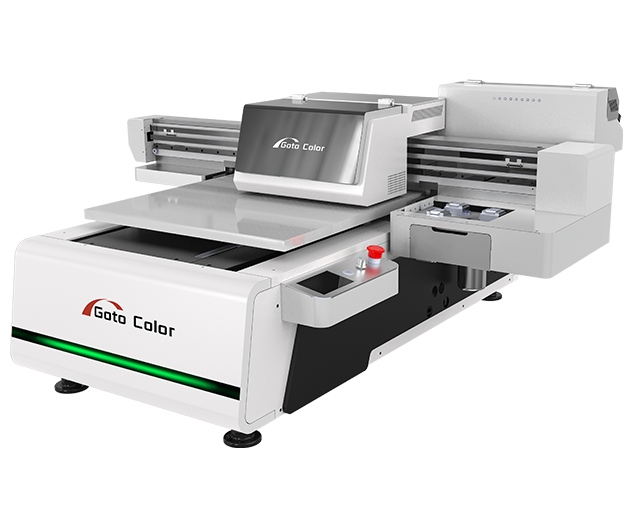
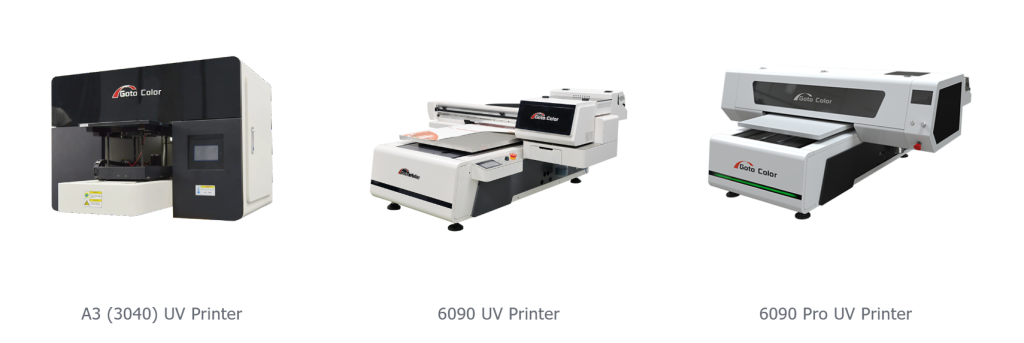
Explore Gotocolor’s UV flatbed printer solutions to start producing profitable customized items for every market segment.